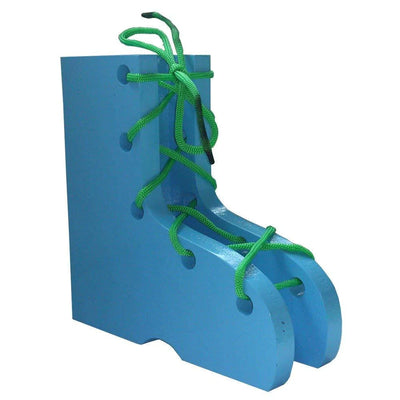
DIY Lacing Activity for Toddler Fine Motor Skills
In the bustling heart of an Indian home, where the aroma of chai often mingles with the lively chatter of a joint family, parents are always seeking enriching ways to engage their little ones. If you're keen on fostering your child's independence and concentration the Montessori way, you'll be delighted by the simplicity and effectiveness of a DIY lacing activity for fine motor development in toddlers. It's an accessible, screen-free wonder that uses materials you likely already have, turning everyday objects into powerful learning tools.
A lacing activity is essentially a practical life exercise where a child threads a string, lace, or yarn through a series of holes in an object. This works because it directly strengthens the small muscles in their hands and fingers, refines hand-eye coordination, and encourages focused attention—all crucial developmental milestones for toddlers. Parents can easily set up this engaging task, observing their child's natural curiosity and perseverance blossom.
Why Lacing is a Montessori Marvel for Little Hands
Maria Montessori observed that children have an innate drive to work with their hands and master their environment. Lacing activities perfectly align with this philosophy, offering a tangible challenge that helps children develop precision, control, and patience. It's a cornerstone of practical life Montessori materials, designed to prepare children for more complex tasks, like buttoning clothes or tying shoelaces, that contribute to self-care and independence.
Beyond physical development, lacing also sharpens cognitive skills. Toddlers learn sequencing, problem-solving, and spatial awareness as they navigate the holes and thread the lace. For Indian parents exploring Montessori at home India, it's a beautiful way to provide purposeful work that respects the child's developmental pace and fosters a sense of accomplishment.
Crafting Your Own Lacing Activity: Simple & Sustainable
One of the beauties of Montessori is its emphasis on natural and readily available materials. You don't need fancy, imported toys to provide a rich learning experience. In fact, some of the best educational toys for toddlers can be crafted right in your kitchen or living room!
Materials You Already Have (Indian Home Edition)
Look around your home, and you'll find treasures waiting to be transformed. Old cardboard boxes, perhaps from a recent Amazon or Flipkart delivery, are perfect. You can also use sturdy foam sheets, old plastic lids from containers, or even thick felt fabric. For the lacing material, think about discarded shoelaces, thick cotton yarn (often used for festive decorations), or even thin ropes from old bags. Consider using natural colours like turmeric (haldi) or kumkum to add a touch of cultural vibrancy to your DIY project, involving grandparents in the fun!
Step-by-Step Guide to Making Your Lacing Board
- Choose Your Base: Cut a sturdy piece of cardboard into a simple shape – a square, circle, or even a fun shape like a fish or a star, reminiscent of rangoli patterns. Keep it small enough for tiny hands, about 6x8 inches.
- Mark the Holes: Use a marker to draw dots around the edges of your shape, spacing them about an inch apart. Ensure the holes are large enough for your chosen lacing material to pass through easily, but not so big that the lace slips out without effort.
- Punch the Holes: Carefully use a hole punch, a sharp pencil, or even a thin skewer (with adult supervision!) to create the holes. For cardboard, a skewer often works best to create clean openings.
- Prepare the Lace: Cut your shoelace or yarn to a manageable length, about 18-24 inches. If using yarn, wrap a bit of tape around one end or dip it in a little glue and let it dry to create a stiff 'needle' that’s easier for threading.
- Decorate (Optional): Let your creativity flow! You can draw pictures on the cardboard, paste fabric scraps, or even use stencils. This makes the activity even more appealing for your child and can tie into themes like Indian festivals.
Remember, the goal is functionality and engagement. For more structured options, explore SkilloToys' range of fine motor skills toys that build on these foundational movements.
Introducing the Lacing Activity to Your Toddler
Montessori education teaches us to present activities with reverence and clarity. When introducing your DIY lacing activity, sit beside your toddler and demonstrate the process slowly and silently. Pick up the lace, push it through a hole, pull it all the way through, and repeat. Do this a few times, then offer it to your child without words or expectations. Let them explore. They might try to chew on it, poke at the holes, or even ignore it initially. That's perfectly fine!
The ideal age to introduce lacing is typically around 18 months to 3 years, though every child's development is unique. Focus on the process, not the perfect outcome. When they succeed, a gentle nod or a warm smile is often enough encouragement. If they struggle, gently demonstrate again without correcting their every move. This builds their concentration and independence, essential traits for healthy child development India aims for.
Extending the Fun & Learning
Once your child has mastered basic lacing, you can introduce variations to keep the challenge fresh. Use different shapes, varied hole patterns, or even incorporate themes related to Indian culture, like lacing patterns inspired by kolam designs or stringing large wooden beads like mala beads. For a more diverse range of engaging experiences, explore our full collection of Montessori method learning materials at SkilloToys.
Remember, the journey of learning is a continuous one. These simple activities, done regularly, contribute immensely to your child's overall growth, fostering not just physical dexterity but also patience, problem-solving skills, and a love for focused work. It's a beautiful way to bring meaningful Montessori learning activities into your daily routine without breaking the bank.
Key Takeaways
- Lacing activities are vital for fine motor development: They strengthen hand muscles, improve hand-eye coordination, and build concentration in toddlers.
- DIY projects are easy and sustainable: Use everyday items like cardboard, shoelaces, and yarn found in Indian homes.
- Montessori principles guide introduction: Demonstrate slowly, silently, and allow the child to explore independently.
- Age-appropriate engagement: Best for toddlers aged 18 months to 3 years, adapting to individual developmental paces.
- Enhances cognitive skills: Lacing fosters problem-solving, sequencing, and spatial awareness.
- Cultural integration is enriching: Incorporate Indian patterns or materials for added engagement and relevance.
Frequently Asked Questions
What age is best for lacing activities?
Lacing activities are generally introduced to toddlers around 18 months to 2 years, continuing up to 3 or 4 years of age. It's crucial to observe your child's readiness and interest rather than strictly adhering to age guidelines.
How often should my child do lacing activities?
Offer lacing activities as part of their 'work cycle' daily or a few times a week. The key is to make it available for short, focused periods, allowing them to choose when they engage and for how long.
What are the benefits of lacing for toddlers?
Lacing significantly boosts fine motor skills, hand-eye coordination, concentration, and independence. It also lays groundwork for practical life skills like dressing and enhances cognitive abilities like sequencing and problem-solving.
Can I use small beads for lacing?
For toddlers, it's best to avoid very small beads due to choking hazards. Opt for large, chunky beads or use pre-holed shapes from your DIY cardboard setup to ensure safety and ease of manipulation for little fingers.
How do I keep my child interested in lacing?
Rotate the lacing activity with other engaging tasks, introduce different shapes and colours, or vary the lacing material. Keep the activity in a designated spot, making it easily accessible and appealing for independent selection.
Watching your child’s delight as they successfully thread a lace through a hole is incredibly rewarding. These simple DIY lacing activities, rooted in Montessori principles, are powerful tools for their growth. For more such thoughtfully designed resources, explore the world of SkilloToys.com, your trusted partner in bringing Montessori education home.