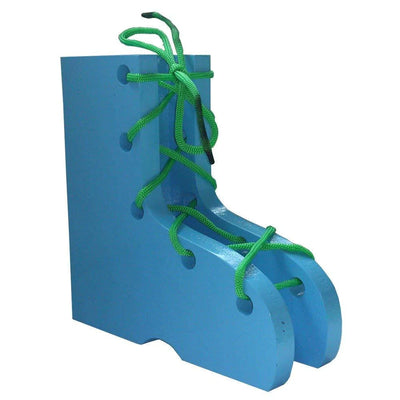
DIY Lacing Activity for Toddlers: Build Fine Motor Skills
Watching your little one explore the world with their tiny hands is a journey filled with wonder. From picking up a grain of rice to stacking blocks, every small action contributes to their growth. Today, we're diving into a delightful and incredibly effective way to support this development: a DIY lacing activity for toddlers. It's not just a fun pastime; it's a foundational Montessori learning activity that nurtures crucial fine motor skills right in your Indian home.
A lacing activity involves threading a string or lace through holes in an object. This works because it directly engages and strengthens the small muscles in a child's fingers and wrist, essential for tasks like writing, buttoning, and self-feeding. Parents can easily introduce this activity using everyday materials, making Montessori at home India accessible and engaging for their children.
Why Lacing is a Montessori Essential for Toddlers
Maria Montessori observed that children have an innate drive to engage in purposeful activities. Lacing falls beautifully into her Practical Life curriculum, which focuses on developing independence, concentration, and coordination through real-world tasks. For toddlers, the act of lacing offers a multi-faceted developmental boost:
Enhancing Fine Motor Skills and Hand-Eye Coordination
The precise movements required to push a lace through a hole and pull it through develop the pincer grip, strengthen finger muscles, and refine dexterity. This intricate process also hones hand-eye coordination as your child learns to align the lace with the opening, an invaluable skill for future academic and life tasks. This makes it one of the most effective educational toys for toddlers, even when made at home.
Building Concentration and Problem-Solving
Lacing demands focus and sustained attention. Toddlers often find immense satisfaction in completing a lacing card, fostering a sense of accomplishment that builds self-esteem. As they navigate the holes, they're also engaging in simple problem-solving – figuring out the best path for the lace, which direction to push it, and how to manage the length.
Fostering Independence and Patience
In the Montessori philosophy, children thrive when given opportunities to do things for themselves. A DIY lacing activity allows them to work at their own pace, repeating the action until mastered. This repetitive practice builds patience and a sense of independence, encouraging them to persist through challenges.
Simple DIY Lacing Activity Ideas for Indian Homes
You don't need expensive materials to set up a rich learning experience. Many items found around a typical Indian household can be repurposed into wonderful lacing activities. The beauty of DIY is tailoring it to your child's interest and the resources at hand.
Cardboard Cut-outs from Delivery Boxes
Those Amazon or local delivery boxes that arrive regularly are treasures waiting to be transformed! Cut out shapes like a mango, a traditional 'diya', a simple square, or even a silhouette of a ganesha. Punch holes along the edges using a paper punch or even a sharp pencil (adult supervision, please!). For laces, use old shoelaces, ribbons from festive gift packaging, or even strips of cloth from an old saree border – the stiffer, the better for little hands.
Old CDs or Plastic Lids
Repurpose old, scratched CDs or sturdy plastic lids (like those from biscuit tins). You'll need a drill or a hot nail (again, adult only!) to make holes around the circumference. These offer a circular lacing challenge, perfect for developing circular hand movements. For a touch of Indian artistry, you can let your child decorate the CD with fabric paint or markers before punching holes, creating their own rangoli-inspired lacing toy.
Nature's Lacing Board
If you have access to a garden or park, collect sturdy leaves or even flat pieces of bark. Carefully punch holes into them. This introduces a sensory element – the different textures and smells of nature. For laces, use thin jute string or even sturdy grass stalks (ensure they are clean and safe).
Pasta and String
This classic activity is fantastic for concentration. Use large pasta shapes like penne or rigatoni. Provide a thick, sturdy string with a knot at one end. Your child can thread the pasta onto the string. This is particularly good for very young toddlers as the openings are larger. You can even dye the pasta with food colouring for an extra sensory experience.
Setting Up Your Montessori Lacing Station
When presenting any Montessori practical life material, thoughtful presentation is key. Find a designated, easily accessible spot in your home, perhaps a small mat on the floor of your living room or a corner of the children's play area. Present the lacing activity on a small tray, with the lacing card and lace neatly arranged. This encourages order and respect for the material, a core Montessori principle.
Remember, the goal is not perfection but participation. Demonstrate the activity slowly and silently once or twice, then invite your child to try. Resist the urge to correct every mistake; allow them the joy of discovery and self-correction. This gentle approach is fundamental to Montessori learning activities and supports robust child development India.
Key Takeaways for Parents
- DIY lacing activities significantly boost fine motor skills, hand-eye coordination, and concentration in toddlers.
- These activities align with Montessori Practical Life principles, fostering independence and self-correction.
- Everyday household items like cardboard, old CDs, fabric scraps, and pasta can be transformed into effective lacing materials.
- Thoughtful presentation on a tray and a calm, supportive environment enhances the child's learning experience.
- Allow children to explore and master the activity at their own pace, reinforcing patience and a sense of accomplishment.
Frequently Asked Questions About Lacing Activities
At what age can toddlers start lacing activities?
Most toddlers are ready for simple lacing activities between 18 months and 2.5 years, depending on their individual developmental pace. Start with large holes and thick laces, gradually moving to smaller challenges as their dexterity improves.
How can lacing help my child's future academic skills?
Lacing strengthens the muscles and coordination needed for writing, drawing, and cutting with scissors. It also develops concentration and problem-solving skills, which are crucial for success in all academic areas, preparing them for more complex tasks.
What if my child loses interest quickly?
If your child loses interest, put the activity away and reintroduce it another day, perhaps with a different material or a new shape. Avoid forcing the activity; observe their cues and offer it when they seem curious and receptive. Keep sessions short and engaging.
Are there any safety concerns with DIY lacing materials?
Always ensure all materials are non-toxic, free of sharp edges, and large enough not to be a choking hazard, especially the laces themselves. Supervise young toddlers closely during the activity to ensure safe play and exploration.
Embracing simple, purposeful activities like DIY lacing at home is a beautiful way to support your child's natural development, much like Maria Montessori envisioned. At SkilloToys.com, we believe in empowering Indian parents with resources and insights to create enriching environments for their little ones, whether through homemade activities or our curated range of Montessori-aligned toys.