DIY Lacing Activity for Toddlers: Fine Motor Fun at Home
In the bustling heart of an Indian home, where the aroma of chai often mingles with the lively sounds of children, parents are constantly seeking enriching activities for their little ones. If you're exploring or practising Montessori at home, you'll know the magic lies in purposeful, hands-on learning. Today, let's dive into a wonderfully simple yet incredibly effective idea: a DIY lacing activity for fine motor development in toddlers.
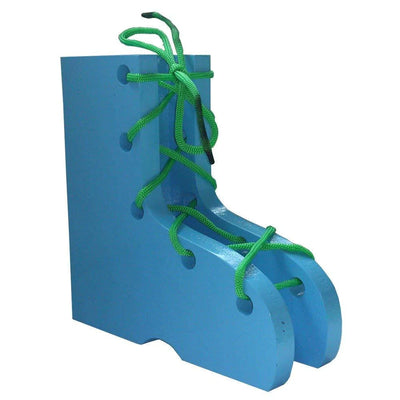
A lacing activity involves a child threading a lace, string, or cord through a series of holes in an object. This seemingly simple task is a powerhouse for development. It works because it directly refines hand-eye coordination, strengthens the pincer grasp (the thumb and forefinger grip), and builds concentration — all crucial aspects of fine motor skills. Parents can easily create these activities using materials already present in their homes, turning everyday items into valuable learning tools.
Why Lacing Activities Are Wonderful for Toddlers' Development
Lacing is more than just a pastime; it's a foundational practical life skill, echoing Dr. Maria Montessori's philosophy that children learn best by doing. Through repeated lacing, toddlers gain mastery over their hand movements, which are essential for future skills like writing, buttoning clothes, and self-feeding. It also introduces them to concepts of sequencing and problem-solving in a tangible way.
In the Montessori method, practical life activities are central to fostering independence and confidence. Lacing activities fit perfectly into this category, preparing children for more complex tasks. Engaging with such activities helps a child develop a robust sense of self-efficacy and the joy of completing a task independently.
Furthermore, lacing demands sustained attention, a skill vital for all future learning. As your little one focuses on getting the lace through each hole, they are silently building their capacity for concentration and patience. For those looking to support these foundational skills with dedicated resources, exploring Montessori practical life materials can provide wonderful extensions.
Simple DIY Lacing Activities Using Indian Home Materials
One of the beauties of Montessori at home in India is the ingenuity born from using readily available resources. You don't need fancy toys to offer enriching experiences. Look around your home – your kitchen, your craft drawer, even your garden – for inspiration!
Cardboard Cut-Outs: A Classic Start
Transform old cereal boxes, packaging from online orders, or even sturdy wedding invitation cards into charming lacing boards. Simply cut out shapes – a flower, a car, or a traditional Indian 'diya' – and punch holes along the edges. Use old shoelaces, colourful yarn, or even thick string from a grocery bag. This activity is perfect for developing the precise movements needed for educational toys for toddlers focusing on dexterity.
Pasta Power: Threading Fun
Dry pasta, especially penne or rigatoni, makes an excellent and inexpensive threading material. Toddlers can string them onto a shoelace or a pipe cleaner. This activity offers a different tactile experience and helps children learn to grasp and manipulate smaller objects, further refining their fine motor control. Plus, it's a great way to use up those last few pasta shapes!
Nature's Lacing Board: Leaves and Sticks
If you have a small balcony garden or a local park nearby, gather some sturdy leaves (like peepal or mango leaves) and thin, flexible twigs. Carefully poke holes in the leaves (an adult's job!) and let your child thread the twigs through. This not only hones fine motor skills but also connects them with nature, fostering an appreciation for the world around them – a key aspect of Montessori learning activities.
Fabric Scraps: Soft and Engaging
Indian homes are often treasure troves of fabric scraps – from old sarees, dupattas, or tailoring leftovers. Cut a sturdy piece of fabric (like an old denim pant leg) into a shape and punch holes. Use colourful ribbons, a strip of soft fabric, or even a border from an old saree as the 'lace'. The varied textures offer a rich sensory experience alongside the fine motor development.
Montessori at Home India: Tips for Success
Creating a Montessori-inspired environment for child development in India is all about thoughtful preparation and respectful observation.
Firstly, present the activity on a small tray or mat in a designated spot, making it inviting and accessible. Demonstrate slowly and silently how to lace, allowing your child to absorb the movements. Remember, toddlers learn by imitation.
Secondly, allow for repetition. Mastery comes from doing the activity over and over. Avoid correcting mistakes directly; instead, offer a gentle re-demonstration if needed. This fosters independence and self-correction, key Montessori principles.
Lastly, involve other family members, especially grandparents, who often enjoy engaging with children in such hands-on ways. Their patience and wisdom can be a wonderful asset in nurturing your child's development, especially in joint family setups.
Key Takeaways
- DIY lacing activities are excellent for developing fine motor skills, hand-eye coordination, and concentration in toddlers.
- These activities align perfectly with the Montessori philosophy of practical life skills and independent learning.
- Indian homes offer a wealth of accessible and affordable materials for creating engaging lacing activities, such as cardboard, pasta, natural elements, and fabric scraps.
- Presenting activities thoughtfully, allowing for repetition, and observing without interference are crucial for successful Montessori-inspired learning at home.
- Involving family, like grandparents, can enrich the learning experience and provide additional support for child development.
Frequently Asked Questions About Lacing Activities
At what age can toddlers start lacing activities?
Typically, toddlers can start exploring simple lacing activities around 18 months to 2.5 years, depending on their individual developmental readiness. Begin with larger holes and thicker laces, gradually introducing more intricate designs as their skills improve.
What are the benefits of lacing for child development in India?
Lacing activities significantly enhance fine motor skills, pincer grasp, hand-eye coordination, and concentration. For Indian children, it also encourages resourcefulness with DIY materials and can be a wonderful shared activity within a joint family setting.
How can I make DIY lacing activities safe for my toddler?
Always ensure all materials are non-toxic and large enough to prevent choking hazards. Supervise your child during the activity, especially with smaller components or if they tend to put things in their mouth. Use blunt-tipped laces or yarn for safety.
What other educational toys support fine motor skills?
Beyond lacing, activities like stacking blocks, working with playdough, using child-safe scissors, transferring small objects with tongs, and engaging with puzzle boxes are excellent for fine motor development. SkilloToys.com offers a range of dedicated fine motor skills toys designed to support these developmental milestones.
Embracing a DIY lacing activity is a beautiful way to nurture your child's development, proving that meaningful learning doesn't always require expensive materials. At SkilloToys.com, we believe in empowering Indian parents with insights and resources to create enriching Montessori-inspired environments right at home, supporting every step of your child's journey.