DIY Lacing Activity: Fun for Toddlers' Fine Motor Skills
In the vibrant tapestry of Indian family life, where every corner of the home often becomes a space for learning and play, parents are constantly seeking simple yet impactful ways to support their child's growth. For toddlers, developing fine motor skills is a crucial step towards independence, and it doesn't always require fancy gadgets. We believe in the magic of hands-on exploration, and a fantastic, budget-friendly option is the humble DIY lacing activity.
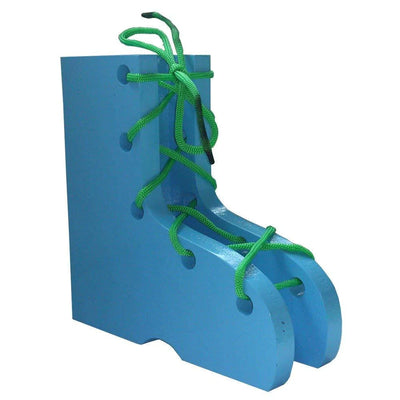
A lacing activity involves threading a string or lace through a series of holes in a material. This works because it hones the pincer grasp, strengthens finger muscles, and significantly improves hand-eye coordination – all vital components of practical life skills. Parents can easily create these engaging activities using everyday items, providing a meaningful learning experience right at home.
Why Lacing Matters for Growing Hands in India
Our little ones are always observing, imitating, and trying to do things themselves, whether it’s helping roll out rotis, picking up small grains, or buttoning their tiny kurtas. Lacing activities directly contribute to these everyday competencies. They are not just about threading; they are about concentration, problem-solving, and developing the muscle memory necessary for tasks like writing, fastening clothes, and even eating independently.
Maria Montessori herself emphasized the importance of practical life activities, believing they lay the foundation for all future learning. A lacing activity, when introduced thoughtfully, aligns perfectly with this philosophy, fostering self-reliance and focus. It’s an accessible way to bring Montessori principles into an Indian household, regardless of space or resources.
Crafting Your Own DIY Lacing Activity at Home
The beauty of a DIY lacing activity lies in its simplicity and the use of readily available materials. You don't need to visit a specialized store; often, the best resources are right within your reach.
Simple Ideas Using Everyday Materials
- Cardboard Shapes: Gather some old cardboard boxes – perhaps from a recent online delivery. Cut out large, child-friendly shapes like circles, squares, or even simple animal figures (a fish, a butterfly). Use a hole punch to create evenly spaced holes around the edges. For the lace, a shoelace or a sturdy piece of yarn with tape wrapped around one end (to create an aglet) works perfectly. This encourages creativity and object recognition.
- Pasta Threading: Penne, rigatoni, or even large macaroni pasta can be fantastic for threading. Offer your toddler a handful of dry pasta and a sturdy string or pipe cleaner. The cylindrical shapes offer a different challenge for grip and precision. Just ensure the pasta is clean and dry.
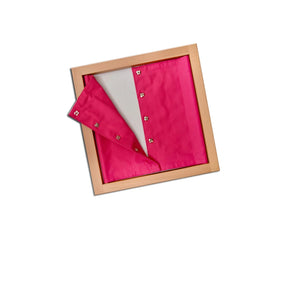
- Buttons and Fabric Scraps: If you have an old sari or fabric scraps, cut them into small squares and stitch or glue a button onto each. Then, let your child thread a string through the buttonholes. This adds a textural element and familiarizes them with the mechanism of buttons, which are so common in Indian attire.
- Old CDs: Repurpose old CDs or DVDs by punching holes around the perimeter (you might need a stronger punch or drill for this, with adult supervision). Their reflective surface adds an interesting visual element, and their rigid structure offers a different lacing experience.
Safety First: Tips for Indian Homes
While engaging in these activities, safety is paramount, especially with young toddlers exploring everything with their mouths. Always supervise your child during lacing activities. Ensure the laces are an appropriate length to prevent any choking hazards – typically, not longer than 12-18 inches for very young toddlers. Choose non-toxic materials, and regularly check for any loose parts or frayed edges that could pose a risk. Many practical life Montessori materials incorporate safety features for young learners.
Maintaining a clean and organised activity space, much like the "prepared environment" in Montessori, also helps children focus and shows them respect for their work. After the activity, involve them in putting away the materials, fostering a sense of responsibility from a young age.
Guiding Your Little Learner: The Montessori Way
Introducing a lacing activity the Montessori way means showing respect for the child's innate drive to learn. Instead of simply handing them the materials, demonstrate the process slowly and silently. Show them how to hold the lace, how to push it through one hole, and pull it out from the next. Repeat this a few times, allowing them to absorb the sequence. Then, invite them to try.
Allow your child to explore at their own pace. There's no right or wrong way, and mistakes are simply opportunities for learning. The focus is on the process, the concentration, and the development of their skills, not on creating a perfect finished product. This approach nurtures independence and builds confidence, crucial elements of Montessori learning activities at home in India.
Beyond Lacing: Expanding Fine Motor Fun
Lacing is just one of many wonderful activities that support fine motor development. As your child masters lacing, you can introduce other engaging tasks. Think about practical life activities like pouring water from a small jug, using tongs to transfer pom-poms, or buttoning and zipping frames. Simple puzzles, stacking blocks, and even tearing paper into small pieces are also fantastic for building dexterity.
These kinds of hands-on educational toys for toddlers and activities are foundational for overall child development in India, preparing them not just for school, but for a lifetime of confident engagement with their environment. Encouraging such exploration fosters curiosity and a love for learning.
Key Takeaways for DIY Lacing Fun:
- Fine Motor Development: DIY lacing activities significantly enhance a toddler's pincer grasp, hand-eye coordination, and finger strength.
- Montessori Principles: This practical life activity aligns with Maria Montessori's emphasis on independence, concentration, and purposeful work.
- Everyday Materials: Simple household items like cardboard, pasta, buttons, and fabric can be transformed into engaging lacing tools.
- Safety First: Always supervise young children, use non-toxic materials, and ensure laces are a safe length to prevent choking hazards.
- Guidance, Not Interference: Demonstrate slowly and allow the child to explore and self-correct, fostering their intrinsic motivation.
- Beyond Lacing: Expand fine motor skill practice with other activities like pouring, tong work, and simple puzzles.
FAQ: Your Lacing Activity Questions Answered
What age is appropriate for lacing activities?
Lacing activities are generally suitable for toddlers aged 18 months and up. However, always observe your child's interest and developmental stage; some children may be ready earlier, while others might prefer it a bit later. Start with larger holes and thicker laces for beginners.
How does lacing support Montessori principles?
Lacing directly supports Montessori's practical life curriculum by fostering independence, concentration, and fine motor skills. It allows the child to engage in purposeful work, developing coordination and a sense of accomplishment, which builds their self-esteem and internal discipline.
What are common household items for a DIY lacing activity?
Excellent items include sturdy cardboard (from old boxes), dry pasta like penne or rigatoni, large buttons sewn onto fabric scraps, or even recycled plastic lids with holes punched in them. For laces, shoelaces, thick yarn, or pipe cleaners work wonderfully.
How can I make lacing activities safe for my toddler?
Always supervise your child during the activity. Ensure that all materials are non-toxic, and laces are kept short enough to prevent choking hazards, typically under 18 inches for young toddlers. Regularly check for small, loose parts or sharp edges.
What are the benefits of lacing for child development?
Beyond fine motor skills, lacing boosts cognitive development through problem-solving and pattern recognition. It also enhances concentration, patience, and visual discrimination. These foundational skills prepare children for more complex tasks like writing, drawing, and dressing themselves.
Bringing these simple, enriching experiences into your home doesn't just develop skills; it builds precious memories and a strong foundation for lifelong learning. At SkilloToys.com, we believe every Indian child deserves access to quality, engaging learning experiences that celebrate their natural curiosity.