DIY Montessori Continent Box for Early Geography
In Indian homes, where stories of distant lands often weave through family conversations, igniting a sense of wonder about our world is a beautiful gift we can give our children. As parents exploring Montessori learning activities, you might be looking for ways to bring global geography into your child’s daily play. Today, let’s talk about a wonderful, hands-on project: creating a DIY Montessori continent box, perfect for young learners aged 0-6 years.
A Montessori continent box is a tactile, hands-on learning tool designed to introduce children to the seven continents of the world. This works because it appeals to a child's natural curiosity and their need for sensory exploration, allowing them to literally 'feel' the shape and location of each landmass. Parents can use this activity to build a foundational understanding of geography, culture, and diversity in a child-led manner.
Why Geography Matters in Early Years (and Why DIY is Great for Indian Homes)
From a young age, children are naturally curious about their surroundings, and that includes the world beyond their immediate environment. Introducing geography early helps build a mental map of the world, fostering a global perspective and understanding of different cultures. This is particularly relevant in India, where families often have relatives across states or even continents, and festivals celebrate diverse traditions. A Montessori approach to geography nurtures this innate curiosity, connecting it to concrete experiences.
For Indian parents, a DIY approach often means using readily available materials, involving family members (hello, grandparents!), and adapting activities to suit smaller apartment spaces or specific cultural contexts. It’s a fantastic way to engage in Montessori at home India, fostering not just learning, but also creativity and resourcefulness.
Crafting Your Own DIY Montessori Continent Box: A Step-by-Step Guide
Creating your continent box is a joyful process, and it doesn't require fancy supplies. Think about what you already have at home or what’s easily available at your local market.
Gathering Your Materials (Local & Accessible)
You’ll need a shallow box for each continent – shoebox lids, old sweet boxes, or even repurposed sturdy cardboard cutouts work perfectly. For the continent shapes, you can use felt, thick cardstock, or even pieces of old fabric. For the tactile fillers, get creative! Consider:
- **Asia:** Red lentils (masoor dal), rice, or even small, colourful spices like star anise or cardamom pods for a sensory experience.
- **Africa:** Coarse sand (from a nearby construction site, if clean, or craft sand), brown soil.
- **North America:** Green split peas (hara matar), small green leaves.
- **South America:** Coffee beans, small brown seeds.
- **Europe:** Smooth pebbles, tiny pasta shapes.
- **Australia:** Yellow moong dal, dried chickpeas (chana).
- **Antarctica:** Cotton balls, white fabric scraps, or even refined salt (just be mindful of taste-testing!).
Preparing the Continent Shapes
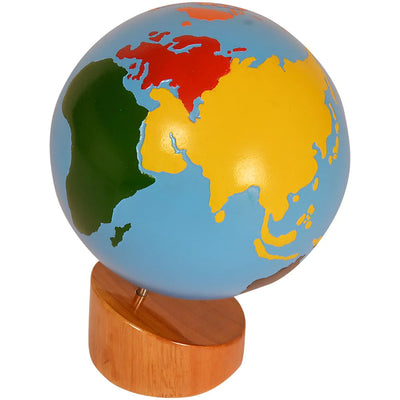
Find a world map online or in an old atlas. Print out or carefully trace the outline of each continent. Transfer these outlines onto your chosen material (felt, fabric, or cardstock) and cut them out. Traditionally, Montessori uses specific colours for continents (e.g., Asia is yellow, Africa is green), but feel free to use colours that appeal to your child or match your materials. You can find excellent Montessori geography materials for inspiration.
Filling the Continent Boxes
Once you have your seven boxes (or trays) and your seven continent cutouts, it’s time to fill them. Glue or place each continent cutout at the bottom of its respective box. Then, carefully pour your chosen tactile filler into each box, ensuring it surrounds the continent shape. The contrast between the continent shape and the filler helps the child distinguish the landmass. This provides a rich sensory experience that is crucial for educational toys for toddlers.
Presenting the Activity to Your Child
Present the continent box activity calmly and intentionally. Invite your child to join you. Name each continent clearly as you point to it. Let them explore the textures, trace the shapes with their fingers, and ask questions. There's no need for formal lessons; allow them to absorb the information at their own pace. This is about exploration and building a concrete foundation for abstract concepts. You can link this to stories of family members living abroad or even discuss which continent a particular festival originates from.
Extending the Learning: Beyond the Continent Box
The DIY Montessori continent box is just the beginning! As your child grows, you can extend this activity by:
- Introducing Montessori Continent Puzzles for a more detailed understanding of shapes and country placements.
- Matching animals to their respective continents.
- Exploring flags of different countries.
- Cooking simple dishes from various cuisines together (a fun way to learn about culture!).
- Reading books about children from around the world.
These follow-up activities reinforce the initial learning and introduce new layers of information, supporting continuous child development India, all while keeping the child engaged and curious about their world.
Key Takeaways
- A DIY Montessori continent box offers a hands-on, sensory introduction to world geography for young children (0-6 years).
- It fosters a global perspective and curiosity about diverse cultures from an early age.
- Using local, repurposed materials makes this an accessible and sustainable activity for Indian homes.
- The tactile nature of the box helps children concretely understand abstract concepts of landmasses.
- Presenting the activity as an invitation to explore, rather than a formal lesson, aligns with Montessori principles.
- The continent box can be extended with puzzles, animal matching, and cultural exploration as the child grows.
FAQ: Your Questions About the DIY Continent Box Answered
At what age can my child start using a continent box?
Children can typically begin exploring the continent box around 2.5 to 3 years old, as they develop fine motor skills and an interest in categorisation. However, even younger children can enjoy the sensory exploration of the different textures and colours under supervision.
How often should we use the continent box?
Follow your child's lead. Offer the continent box as an accessible activity, perhaps once or twice a week, or whenever they show interest. The Montessori approach values repetition driven by the child's internal motivation, so avoid forcing the activity.
What if I don't have all the suggested materials?
That's perfectly fine! The beauty of DIY Montessori is its adaptability. Use whatever materials you have readily available – different types of lentils, pulses, dried leaves, fabric scraps, or even coloured sand. The goal is to provide varied textures and a clear distinction for each continent.
How does this connect to real-world learning in India?
This activity helps children visualise where relatives might live, understand the origins of international festivals celebrated in India, or even locate places they see on news or in books. It builds a foundation for understanding India's place in the larger world, fostering global awareness right from your home.
Can grandparents help with this activity?
Absolutely! Grandparents in joint families can play a wonderful role in telling stories about different continents, perhaps sharing personal anecdotes of travel or cultural practices, enriching the child's learning experience and strengthening family bonds.
Bringing the world into your child's hands through a DIY Montessori continent box is a rewarding experience. It's a testament to the fact that meaningful learning doesn't always require expensive materials, but rather intention, creativity, and a little love. For more resources and expertly designed Montessori materials, explore SkilloToys.com.