DIY Montessori Continent Box for Geography at Home
In the vibrant tapestry of an Indian home, where stories are told and discoveries are made daily, imagine adding a little piece of the world for your child to explore. For many parents practising Montessori at home India, the quest for engaging, educational activities is constant. Today, we're diving into a delightful project: creating a DIY Montessori continent box, a fantastic tool for sparking geographical curiosity in your little ones, aged 0-6 years.
This hands-on activity nurtures a love for our planet, encourages fine motor skills, and introduces cultural diversity right in your living room. It's an ideal way to bring the vastness of the world into a manageable, tactile experience for young children, making complex concepts accessible and fun.
What is a Montessori Continent Box?
A Montessori continent box is a set of small containers, typically one for each continent, filled with miniature objects, pictures, or flags representing that continent's culture, animals, or landmarks. This works because it provides a tangible, multi-sensory experience that appeals to a child's natural curiosity and absorbent mind, helping them to internalise abstract geographical concepts. Parents can use this box to introduce continents, cultures, and the diverse world we live in, fostering a sense of global awareness from a young age.
Why Geography Matters for Little Ones
Geography isn't just about maps and names; it's about understanding our place in the world and appreciating diversity. For toddlers and preschoolers, engaging with geography activities like a continent box lays crucial groundwork for their cognitive and social development. It expands their vocabulary, encourages classification skills, and fosters an early appreciation for different cultures, a wonderful value to instill in child development India.
This hands-on approach to learning about the world also helps children develop a sense of global citizenship. In a joint family setting, grandparents can share stories of their travels or ancestral villages, connecting the continent box's abstract concepts to personal narratives and enriching the child's understanding.
Gathering Your Materials: The Indian Way
One of the beautiful aspects of Montessori DIY is its adaptability. You don't need fancy supplies; just a little creativity and a trip through your home or local market. For your DIY Montessori continent box, think about what you already have:
- Boxes: Empty spice boxes, an old saree box, shoe boxes, or even repurposed sweet boxes work wonderfully as individual continent containers. Small apartments might mean optimising space, so compact boxes are perfect.
- Continent Shapes: You can print simple continent outlines from the internet or draw them freehand on cardboard. Old wedding invitation cards or stiff paper are excellent for this.
- Art Supplies: Crayons, sketch pens, watercolours, or even natural dyes from turmeric or beetroot for colouring the continents.
- Collection of Objects: This is where the real fun begins! Look for tiny toys, miniatures, pictures cut from old magazines, or even small souvenirs from your travels. Think about representing animals, famous landmarks, traditional clothing, or food items. Sometimes, a simple activity kit might have small items you can adapt.
Crafting Your DIY Continent Box
Making the Continents
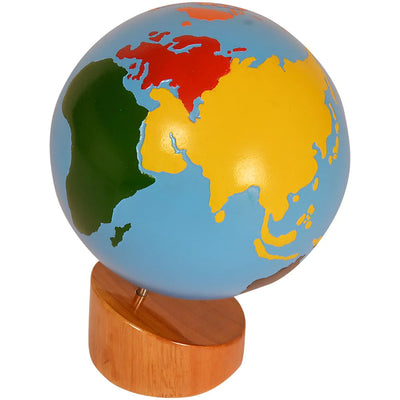
Start by drawing or tracing the seven continents onto your cardboard or stiff paper. You can use different colours for each continent, as often seen in Montessori geography materials: Asia (yellow), Africa (green), North America (orange), South America (pink), Antarctica (white), Europe (red), and Australia (brown). Let your child help colour them in; even scribbling contributes to fine motor development and a sense of ownership over the project.
Once coloured, carefully cut out each continent shape. These can be glued onto the lid of each respective box or kept as separate puzzle pieces for an added layer of learning. This tactile process of cutting and pasting is a wonderful way to introduce geographical shapes.
Populating the Box with Treasures
Now comes the most exciting part – filling each box with representative items. This is where the Indian context truly shines! Engage your child in a treasure hunt around the house for suitable miniatures.
- Asia: A miniature elephant toy, a small silk fabric swatch, a tiny chai cup, a picture of the Taj Mahal or a traditional Indian costume, a small spice (like a clove or star anise) representing Indian cuisine.
- Africa: Small animal figurines like a lion or giraffe, a piece of tribal print fabric, a picture of the pyramids.
- Europe: A tiny toy car (many European car brands), a picture of the Eiffel Tower or Big Ben, a small plastic grape or cheese representation.
- North America: A miniature cowboy hat, a small toy eagle, a picture of the Statue of Liberty.
- South America: A tiny soccer ball, a picture of the Amazon rainforest or Machu Picchu.
- Australia: A small kangaroo or koala toy, a picture of the Sydney Opera House.
- Antarctica: A cotton ball (snow), a tiny penguin or polar bear figurine.
For more authentic items or if you prefer ready-made components, SkilloToys offers a range of Montessori geography materials that can beautifully complement your DIY efforts.
Presenting the Continent Box: A Montessori Approach
When presenting the DIY Montessori continent box, remember the Montessori principles: observe, don't interfere, and follow the child. Lay out the boxes and their contents on a mat. Start with one continent at a time, perhaps Asia, given its familiarity. Name the continent clearly and show the objects within. Invite your child to explore, touch, and ask questions.
This is not a test, but an invitation to explore. Your child might simply want to play with the miniatures, which is perfectly fine. The exposure itself is learning. As they grow, you can introduce more complex concepts like the names of countries or capital cities, making this one of the most versatile Montessori learning activities.
Extending the Learning: Beyond the Box
The continent box is just the beginning! Integrate geography into everyday life:
- Stories and Songs: Read books about children from different countries. Sing songs that mention various parts of the world. Grandparents can share tales of different Indian states, linking local geography to global concepts.
- Cooking: Cook a simple dish from a different continent. For instance, make mini pizzas for Italy (Europe) or a simple noodle stir-fry for China (Asia).
- Festivals: Discuss how festivals like Diwali are celebrated in different countries with Indian diaspora, connecting your child to global communities.
- Map Work: Use a simple world map or globe alongside the continent box. Trace the continents with your finger, reinforcing the visual and tactile learning.
Key Takeaways for Your DIY Continent Box
- A DIY Montessori continent box offers a hands-on way to introduce geography to children aged 0-6 years.
- Utilise readily available household items and local materials for a cost-effective and culturally relevant project.
- Involve your child in the creation process to foster ownership and develop fine motor skills.
- Present the box using Montessori principles: observe, invite exploration, and follow the child's interest.
- Extend learning beyond the box through stories, cooking, and discussing global festivals.
- This activity promotes global awareness, vocabulary expansion, and classification skills.
FAQ about DIY Montessori Continent Boxes
What age is best for introducing the continent box?
You can introduce the concept as early as 2-3 years old, focusing on the names of continents and exploring the objects. As the child grows, you can gradually introduce more complex details like country names or cultural specifics, making it a valuable tool for preschoolers and early elementary children.
How often should we use the continent box?
There's no fixed schedule. Offer the continent box as an available activity on your child's shelf or mat. Allow them to engage with it when they show interest, whether it's daily for a short period or a few times a week. The key is consistent, unpressured exposure.
Can I buy a ready-made continent box?
Yes, many educational toy stores, including SkilloToys, offer ready-made Montessori geography materials and continent boxes. While DIY is enriching, purchasing a professionally crafted set ensures durability and accuracy, often with beautifully detailed miniatures.
What if my child isn't interested?
It's perfectly normal for a child's interest to wax and wane. If your child isn't interested, put the box away for a while and reintroduce it later. You can also try adding new objects, telling a story related to a continent, or exploring just one continent at a time to pique their curiosity.
Creating a DIY Montessori continent box is more than just a craft; it's an investment in your child's global awareness and a wonderful way to foster a love for learning. At SkilloToys.com, we believe in empowering parents with resources and high-quality educational toys for toddlers and children to support their Montessori journey at home.