DIY Montessori Continent Box: Geography Fun at Home
As parents in India, we often seek creative ways to introduce our children to the vast, beautiful world around them, even when living in cosy apartments or bustling joint family homes. Imagine your little one's eyes lighting up as they discover distant lands, right from your living room! This is where a DIY Montessori continent box comes in – a simple yet profoundly effective tool for sparking geographical curiosity in children aged 0-6 years.
A Montessori continent box is a hands-on geography material designed to help children visualise and understand the different continents of the world. Each box typically contains small objects or pictures representing the culture, animals, or landmarks of a specific continent. This works because it moves abstract concepts into the concrete, allowing young children to touch, feel, and associate tangible items with each landmass. Parents can easily create one using everyday items, transforming learning into an engaging treasure hunt.
Why a Montessori Continent Box for Indian Homes?
In the vibrant tapestry of Indian life, integrating Montessori principles means finding activities that resonate with our environment and values. A continent box is a perfect fit for Montessori at home India, offering a screen-free way to explore the world.
It encourages a global perspective from a young age, fostering an appreciation for diversity that aligns beautifully with India's multicultural heritage. For families with grandparents often sharing stories, this box can become a fantastic prompt for tales about different places, making learning a shared family experience.
Materials You'll Need (Local & Accessible)
One of the beauties of DIY Montessori is its flexibility and affordability. You don't need fancy, expensive items to create a continent box; local craft shops, household items, or even souvenirs from family trips will do!
- Boxes: Seven small boxes or baskets (shoe boxes, bindi boxes, or even colourful tiffin boxes work wonderfully). Each will represent a continent.
- Continent Labels: Hand-drawn or printed names of the continents (Asia, Africa, North America, South America, Antarctica, Europe, Australia).
- Items for Each Continent: Small objects, figurines, pictures, or even printed flags. Think about what's easily available. For instance, a tiny elephant for Asia, a kangaroo toy for Australia, a small pyramid picture for Africa. Our activity kits can sometimes offer unique trinkets too!
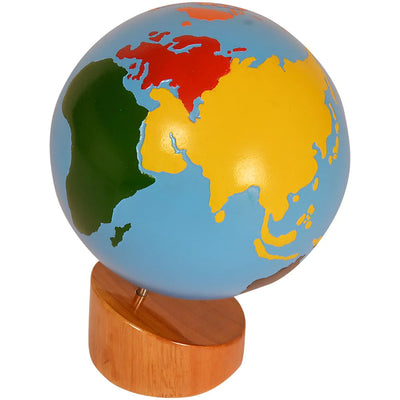
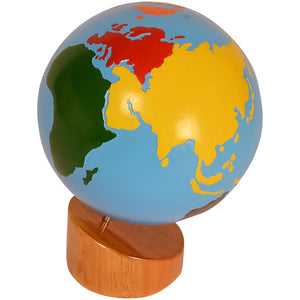
- A World Map/Globe: A simple map or globe is essential for context.
Step-by-Step: Crafting Your Continent Box
Creating your continent box is a fun activity kit in itself, and you can even involve older children in the process!
- Label Your Boxes: Clearly label each of your seven boxes with the name of a continent. You can also add a small coloured outline of the continent if you like.
- Gather Your Treasures: This is the most exciting part! Brainstorm and collect small, safe items for each continent. For India (part of Asia), a tiny sari doll, a spice packet, or a miniature auto-rickshaw would be perfect. For Europe, maybe a tiny Eiffel Tower sticker. Be creative and resourceful!
- Place Items in Boxes: Carefully place the chosen items into their respective continent boxes. Ensure the items are child-safe and durable.
- Prepare Your Map/Globe: Have your world map or globe ready to show your child where each continent is located.
Playing with Your Continent Box: Activity Ideas
Introducing the continent box is about sparking curiosity, not rote memorisation. These Montessori learning activities are perfect for young children.
- The Introduction: Show your child the globe and point out one continent, say, Asia. Then, present the Asia box. Let them explore the items inside, naming them and discussing where they come from.
- Matching Game: Once familiar with a few continents, spread out the items and ask your child to place them back into the correct continent box. This is great for developing cognitive skills and reinforcing knowledge.
- Story Time: Pick an item from a box and tell a simple story about it or the continent it represents. This helps with child development India by enhancing language and imagination.
- Continent Bingo: Create simple cards with pictures or names of continents. Call out an item, and your child places a marker on the correct continent card.
Expanding the Learning: Beyond the Box
The continent box is a springboard for deeper geographical exploration. Once your child is comfortable with the basics, you can expand the learning.
Consider introducing Montessori geography materials like puzzle maps, which offer a tactile way to understand continent shapes and countries. Read books about different cultures, watch documentaries about wildlife from specific regions, or even try cooking a simple dish from a new continent. During Indian festivals like Diwali or Holi, you can discuss how other countries celebrate their own unique festivals, drawing parallels and fostering understanding.
These experiences reinforce the knowledge gained from the continent box and cultivate a lifelong love for learning and discovery. It’s all about nurturing that natural curiosity children possess.
Key Takeaways
- A DIY Montessori continent box helps children aged 0-6 learn geography through hands-on exploration.
- It is easily created using accessible, local materials found in Indian homes.
- The continent box promotes global awareness and cultural appreciation from a young age.
- Activities with the box enhance cognitive skills, language development, and imaginative play.
- It serves as a foundation for further geographical learning and aligns with Montessori principles.
FAQs About DIY Montessori Continent Boxes
What age is appropriate for a Montessori continent box?
Children typically begin engaging with continent boxes around 2.5 to 3 years old, extending up to 6 years. The activities can be simplified for toddlers and made more complex for preschoolers, adapting to their developmental stage.
How many items should I put in each continent box?
Start with 3-5 distinct items per continent to avoid overwhelming your child. As they become more familiar, you can gradually add more items, introducing them slowly and purposefully.
Can I use pictures instead of 3D objects?
Absolutely! High-quality pictures, laminated for durability, are an excellent substitute for 3D objects, especially for items that are hard to find or costly. They still provide visual representation and stimulate discussion.
What if I don't have enough boxes?
No worries! You can start with just a few continents at a time, perhaps focusing on Asia and two others, and then expand as you collect more boxes or materials. The key is engagement, not perfection.
Creating a DIY Montessori continent box is a joyful journey of discovery, both for your child and for you. It’s a testament to how simple, thoughtful resources can ignite a passion for learning. For more ideas and quality educational materials, explore SkilloToys.com – your trusted partner in bringing Montessori magic home.