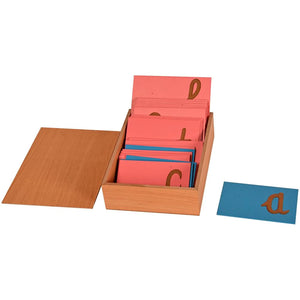
DIY Sandpaper Letters: A Montessori Guide for Home Learning
Namaste, dear parents! In our bustling Indian homes, where every corner holds a story and every family member contributes to a child's upbringing, the idea of Montessori at home is truly special. It's about creating a prepared environment that nurtures your child's natural curiosity and independence, often without needing expensive materials. Today, we're going to dive into a wonderful and simple DIY project: making your own sandpaper letters for your preschoolers.
These tactile learning tools are a cornerstone of early literacy in the Montessori method, and crafting them yourself is not just cost-effective, but also a beautiful way to infuse your personal touch into your child's learning journey.
What Are Montessori Sandpaper Letters?
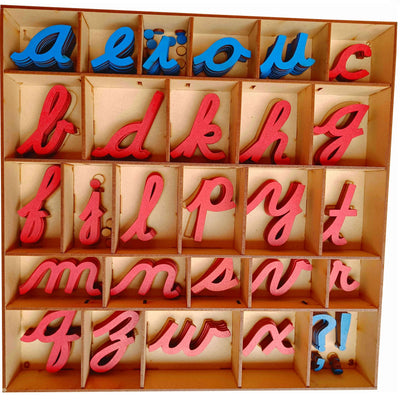
Montessori sandpaper letters are individual cards, typically made of wood or sturdy cardboard, with letters of the alphabet cut from sandpaper and glued onto them. The consonants are usually pink or red, and vowels are blue. This material is designed to introduce children to the shapes and sounds of letters through a multisensory experience.
Sandpaper letters are a classic example of how Dr. Maria Montessori designed materials to engage multiple senses. This works because children learn best by doing and touching, not just by seeing or hearing. By tracing the rough sandpaper letters with their fingers, children internalize the letter's form while simultaneously associating it with its sound, laid out beautifully in the Montessori language materials. Parents can use this simple material to lay a strong foundation for reading and writing, even within the comfort of their Indian home.
Why Sandpaper Letters Are So Special for Little Learners
In a world full of screens, the hands-on, sensory experience of sandpaper letters is invaluable. For children aged 3-6 years, this material helps bridge the gap between abstract symbols (letters) and their concrete sounds and shapes. It’s a foundational step in Montessori language materials, preparing their minds and hands for reading and writing.
- Multisensory Learning: Children see the letter, feel its shape, and hear its sound, all at once. This engages visual, tactile, and auditory senses, leading to deeper retention.
- Pre-Writing Skills: Tracing the letters in the correct formation prepares tiny fingers for holding a pencil and writing.
- Phonetic Awareness: It directly connects the letter's shape to its phonetic sound, crucial for early reading.
- Independence & Concentration: Children can work with this material independently, developing focus and self-correction skills.
Gather Your Materials: What You'll Need for DIY Sandpaper Letters
The beauty of DIY Montessori is using what's readily available around you, perfect for any Indian home. You don't need fancy supplies; just a little creativity!
- Sturdy Cardboard or Thick Chart Paper: Think old cereal boxes, delivery packaging, or even the sturdy paper from old wedding invitation cards. These are perfect for the base cards.
- Sandpaper: Fine-grit sandpaper (around 100-150 grit) is ideal. You can find this easily at any local hardware store (ask for 'regmaal' or 'sandpaper'). You'll need enough to cut out all 26 letters (and maybe more for 'sh', 'ch', 'th' if you're ambitious!).
- Strong Adhesive: Fevicol, a hot glue gun, or any strong craft glue will work well.
- Pencil and Eraser: For tracing the letters.
- Scissors or Craft Knife: For cutting the sandpaper. Be careful if using a craft knife.
- A Template for Letters: You can print out large, simple letter forms (Montessori uses a specific font, but any clear, sans-serif font like Arial or Century Gothic will do) or draw them freehand if you're confident. Remember to make consonants pink/red and vowels blue for authentic Montessori practice.
Step-by-Step Guide: Crafting Your Own Sandpaper Letters
Step 1: Prepare Your Base Cards
Cut your cardboard or thick paper into uniform rectangles. A size of approximately 4x6 inches (10x15 cm) is a good starting point, allowing enough space for the letter and some margin. You'll need one card for each letter of the alphabet, so prepare 26 cards.
Step 2: Trace and Cut Your Letters
Using your template or freehand, carefully draw each letter onto the sandpaper. Ensure the letters are large and fill most of the card space. Remember the specific colors for vowels (blue) and consonants (pink/red). Cut out each sandpaper letter precisely. This is where a craft knife might be helpful for intricate shapes.
Step 3: Affix the Sandpaper
Apply a generous, even layer of glue to the back of each sandpaper letter. Carefully position and press each letter onto its corresponding base card. Ensure it's centered and straight. Press firmly and allow them to dry completely under a heavy book to prevent warping. This ensures your sandpaper letters are durable for repeated use.
Step 4: Finishing Touches and Presentation
Once dry, you might want to trim any excess glue or paper. Arrange your letters in alphabetical order. You can store them in a simple shoebox or a small basket. If you have older children or grandparents at home, involve them in this craft activity – it's a lovely way to bond and create learning tools together, making it a true Montessori learning activity for the family.
How to Introduce Sandpaper Letters to Your Child
The beauty of Montessori is its simplicity and respect for the child. Introduce the sandpaper letters using the classic 'Three-Period Lesson':
- Naming (First Period): Pick three distinct letters (e.g., 'm', 'a', 't'). Trace the letter with your dominant hand (using two fingers) while clearly saying its sound (not its name!). "This is 'm'."
- Recognition (Second Period): Place the three letters in front of your child. "Show me 'a'." or "Where is 't'?" If your child makes a mistake, simply point to the correct letter and repeat the sound, without correction or pressure.
- Recall (Third Period): Point to a letter. "What is this?" Your child will eventually be able to identify the sound.
Always go at your child's pace. The goal is joyful discovery, not rote memorization. This hands-on method makes learning accessible and enjoyable, promoting significant child development in early years. For more comprehensive learning tools, explore our full range of Montessori method learning materials and toys.
Tips for Montessori at Home India
- Utilise Existing Resources: Indian homes are rich with potential DIY materials. Don't be afraid to repurpose!
- Involve the Family: Grandparents love to help! Involving them in activities like tracing letters or cutting cards fosters intergenerational bonding and makes learning a community effort.
- Create a 'Learning Nook': Even in a small apartment, designate a specific, accessible space for these DIY educational toys for toddlers.
- Observe Your Child: Maria Montessori stressed observation. Notice when your child is drawn to the letters, and respect their focus.
- Process Over Perfection: Your DIY letters don't need to be factory-perfect. The effort and the learning experience are what truly matter.
Key Takeaways
- Montessori sandpaper letters are vital sensory tools for early literacy and phonics.
- Making your own at home is budget-friendly and easy with common Indian materials.
- The multisensory approach (sight, touch, sound) aids in deeper learning and retention of letter shapes and sounds.
- Introduction should follow the 'Three-Period Lesson' for optimal engagement and learning.
- DIY Montessori at home India encourages independence, concentration, and pre-writing skills.
- Involve family and use readily available resources to create a rich learning environment.
Frequently Asked Questions About DIY Sandpaper Letters
What age is best to introduce sandpaper letters?
Sandpaper letters are typically introduced to children between 2.5 and 4 years old, once they show an interest in language and sounds. Observe your child's readiness; they should be able to focus for short periods and follow simple instructions.
Do I need special sandpaper?
No, you don't need special sandpaper. Fine-grit sandpaper (around 100-150 grit) from any local hardware store is perfect. It provides enough texture for a clear sensory experience without being too abrasive for little fingers.
Can I make sandpaper letters for numbers too?
Absolutely! The same DIY method can be applied to create sandpaper numbers. This is an excellent way to introduce numeral recognition and the concept of quantity through a tactile experience, just like the alphabet.
How often should we use sandpaper letters?
The frequency depends entirely on your child's interest. Offer them as an accessible activity, perhaps for 5-10 minutes a few times a week, or whenever your child shows curiosity. Avoid forcing the activity to keep the learning joyful and child-led.
What if my child isn't interested in the sandpaper letters?
If your child shows no interest, simply put the letters away for a few weeks or months and reintroduce them later. Children's interests change, and they might not be in a sensitive period for language development at that specific moment. Never pressure them, as Montessori learning thrives on intrinsic motivation.
Empowering your child's learning journey can be incredibly rewarding, and making your own sandpaper letters is a beautiful step. For more authentic Montessori educational toys and resources designed for children's holistic development, do explore SkilloToys.com – your trusted partner for Montessori at home in India.