Following the Child: Meaning for Indian Parents
Priya, my neighbour, once asked, 'How do you do Montessori with a bustling toddler and grandparents' advice?' It’s a common question for Indian parents. The concept of following the child sounds beautiful in theory, but how does it translate into the vibrant reality of an Indian home, especially with children aged 0-6 years? Let's understand this foundational Montessori principle.
'Following the child' is an observational approach where parents closely watch a child's natural interests, developmental stage, and learning pace, then prepare an environment to support these needs. This works because it respects the child's innate drive for self-construction, fostering deep concentration. Parents apply this by observing independent play, allowing choices, and creating spaces that cater to current curiosities.
Observing Your Child: The First Step in Indian Homes
In a typical Indian household, whether cozy apartment or joint family, life moves fast. Amidst daily rituals, observing your child's independent exploration is key. Are they fascinated by rice grains or lining up bangles? This quiet observation helps you understand their inner drive – Dr. Maria Montessori's 'absorbent mind'.
Practical Tips for Montessori at Home India
- Create "Yes" Spaces: Designate small, accessible areas for free exploration. A low shelf with Montessori learning materials or a basket of natural objects works well, even in cozy Indian apartments.
- Slow Down Meal Times: Observe if your toddler wants to pick up dal-roti pieces themselves. Offer child-sized cutlery and small portions. This fosters independence and respect for bodily autonomy.
- Involve Them in Daily Chores: Children love to contribute. If fascinated by sweeping, offer a child-sized broom. This develops practical life skills and a sense of belonging within the family.
Respecting the Child's Pace and Choices
In Indian culture, where elder guidance is valued, letting a child lead might feel counter-intuitive. 'Following the child' means respecting their developmental pace and offering choices within boundaries. During festivals like Diwali, offer choices: 'Arrange diyas, or sort flower petals for rangoli?'
Choosing Educational Toys for Toddlers Wisely
When choosing educational toys for toddlers, observe what captures your child's attention. Quality Montessori materials, like a pink tower, isolate concepts and engage deeply. Avoid overwhelming them; a few well-chosen, rotated items are more effective for concentration.
Supporting Child Development India: From Curiosity to Confidence
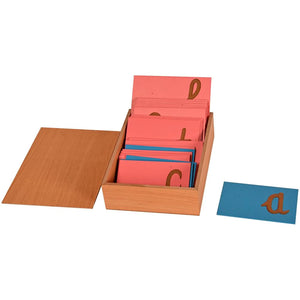
Responding to your child's emerging interests directly supports holistic child development India. If they show a sensitive period for language (pointing to letters or asking 'What's that?'), it's ideal for introducing sandpaper letters or enriching their environment with books and conversations.
Navigating Grandparent Wisdom with Montessori Principles
Grandparents are an invaluable source of love. When they suggest 'Just feed him' or 'Don't let her play with water,' it comes from care. Explain your Montessori approach gently: 'Amma, we're helping him learn independence. It builds confidence!' Involve them by observing the child's concentration during an activity.
Ultimately, 'following the child' is a dance of observation, preparation, and respectful guidance. It empowers children to become confident, capable individuals, deeply connected to their learning journey within their Indian family.
Key Takeaways
- "Following the child" involves observing your child's natural interests and developmental pace.
- It means creating a prepared environment that supports their exploration and learning.
- In an Indian context, this includes adapting Montessori principles to family dynamics, cultural practices, and available spaces.
- Respecting a child's choices and involving them in practical life activities fosters independence and confidence.
- Choosing age-appropriate, quality Montessori learning materials aids development.
- Gentle communication with family members helps integrate this approach harmoniously.
Frequently Asked Questions (FAQs)
What if my child doesn't seem interested in anything specific?
Every child has innate curiosities. If they seem "uninterested," they might be overstimulated or lack choice. Simplify their environment and observe during quiet moments; subtle interests often emerge.
How do I apply "following the child" in a small Indian apartment?
Create a "prepared environment" by focusing on accessibility: low shelves, activity mats, and rotating a few meaningful activities. Utilize vertical space for child-friendly items.
Does "following the child" mean I never set rules or boundaries?
Not at all. It's freedom within limits. Boundaries are essential for safety and understanding social norms. Offer choices within those boundaries, like "red or blue kurta," not an ultimatum.
How do I explain this approach to my parents or in-laws?
Start by showing, not just telling. Let them observe your child's concentration during an activity. Highlight benefits like increased independence and focus, framing it as "helping the child help themselves."
Where can I find suitable Montessori materials in India?
You can find authentic, high-quality Montessori materials, from practical life tools to sensorial aids, at SkilloToys.com. We curate products supporting your child's natural development journey.
Embracing 'following the child' is a journey of trust and discovery, transforming parenting into a respectful partnership. As you observe and guide, your child will blossom into a confident, curious individual, rooted in their Indian heritage. At SkilloToys.com, we support your Montessori journey with thoughtfully designed learning materials.