Hands-On Learning: Why Children Learn Best Through Their Hands
Remember those endless hours spent building sandcastles by the beach or kneading atta with your daadi? In Indian homes, we often observe our little ones eager to touch, explore, and 'do it myself.' This isn't just playful curiosity; it's a profound truth: children learn best through their hands. The Montessori philosophy, championed by Dr. Maria Montessori, beautifully illustrates the deep science behind this active, hands-on approach.
What is hands-on learning in Montessori? It's an educational approach where children actively engage with specially designed materials, rather than passively receiving information. This works by directly stimulating their senses, building neural pathways, and allowing them to discover concepts at their own pace. Parents can easily integrate this by offering purposeful activities and the right educational toys that invite exploration.
The Science Behind 'Learning by Doing' in Child Development India
Our brains are incredible, especially during the formative years from birth to six. When children engage their hands, multiple brain areas light up simultaneously – visual, auditory, and tactile. This multi-sensory input creates stronger neural connections, making learning profound and memorable. This active engagement is crucial for developing fine motor skills, hand-eye coordination, and problem-solving, as children hone precision and concentration by doing.
Montessori's Emphasis: The Hand as a Tool of the Mind
Dr. Maria Montessori famously said, 'The hands are the instruments of man’s intelligence.' She observed children's innate drive to explore their environment through touch and manipulation. This profound hand-brain connection means engaging hands literally builds intelligence, moving from concrete understanding to abstract thought. This is vividly present in Montessori Sensorial Materials, like the Pink Tower, which help children differentiate size and dimension through touch, teaching mathematical concepts organically.
Bringing Hands-On Montessori at Home India
Integrating hands-on learning into an Indian home, whether a bustling joint family or a cozy apartment, is simpler than you might think. Begin by preparing an environment that invites exploration and independence. Create a 'yes' space where materials are accessible, organised, and appealing, encouraging your child to choose and engage freely.
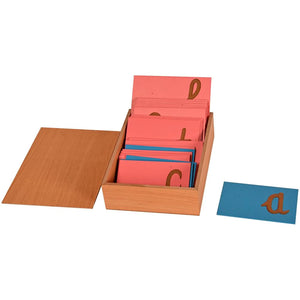
Practical Life activities are the cornerstone of hands-on learning, aligning perfectly with daily routines. Allow your child to help wash vegetables, pour water, sweep a small area, or fold napkins. These activities foster belonging, responsibility, and refine motor skills, beautifully aligning with traditional Indian emphasis on community and practical skills. For more structured engagement, explore educational toys for toddlers that promote hands-on discovery. From simple puzzles to specialised materials like Montessori Sandpaper Letters, these tools facilitate independent learning, building concentration and sensory discrimination.
Nurturing Independence and Concentration
When children are deeply engaged with their hands, they often enter a state of 'flow' – focused concentration. This self-directed engagement is invaluable for building attention spans and resilience. By providing materials with 'control of error' (where a child can self-correct), we empower them to learn without constant adult intervention, fostering genuine child development India.
Key Takeaways for Parents
- Children are naturally wired for active, sensory-rich learning through their hands.
- The hand is a crucial tool for brain development, building strong neural connections.
- Montessori materials are scientifically designed for hands-on discovery and self-correction.
- Integrate practical life activities (like helping with chores) into daily home routines.
- Provide an accessible, organised environment with purposeful educational toys.
- Hands-on learning nurtures concentration, independence, and problem-solving skills.
Frequently Asked Questions About Hands-On Learning
Q1: How can I encourage hands-on learning if I have limited space in my apartment?
Even in small apartments, dedicate a 'yes' space. Rotate a few purposeful educational toys on a low shelf or mat. Focus on quality, choosing activities easily set up and packed away, like a small pouring station.
Q2: Are all educational toys considered 'hands-on' in the Montessori sense?
While many toys involve hands, true Montessori hands-on materials are purposeful, self-correcting, and isolate a single concept. Look for materials made from natural elements with clear purposes, rather than overly stimulating or purely entertainment-focused toys.
Q3: My child seems to prefer screen time. How can I transition them to more hands-on activities?
Offer engaging, novel hands-on activities related to their interests, and limit screen time gradually. Involve them in everyday tasks like cooking or gardening. These provide rich sensory experiences and a sense of family contribution.
Q4: What age is best for starting hands-on Montessori learning activities at home?
Hands-on learning begins from birth; infants explore with mouths and hands. For formal Montessori activities, start around 18 months, introducing practical life skills and simple sensorial materials. Always tailor activities to their developmental stage.
Embracing hands-on learning is a gift you can give your child, nurturing their natural curiosity and building a strong foundation for lifelong learning. Explore our curated range of Montessori materials and educational toys at SkilloToys.com to empower your child's journey of discovery.