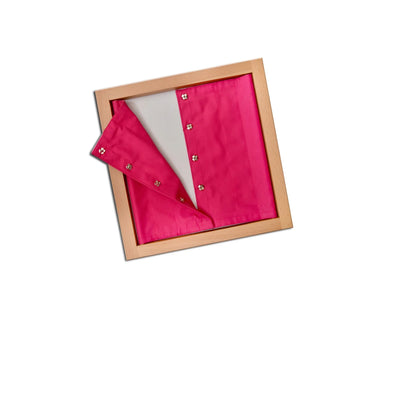
Make a Montessori Button Frame for Dressing Practice
In the bustling rhythm of Indian homes, where little hands are always eager to explore and learn, imagine giving your child a tool that gently guides them towards self-reliance. As parents, we often marvel at how quickly our children grow, from babbling infants to curious toddlers keen on doing things themselves. One beautiful way to nurture this burgeoning independence is through practical life activities inspired by the Montessori method. Today, we’re going to dive into a fun and incredibly rewarding project: how to make a **Montessori button frame** for dressing practice right in your own home.
A Montessori button frame is a simple yet ingenious educational tool designed to help children develop fine motor skills, hand-eye coordination, and concentration through the repetitive action of buttoning and unbuttoning. This works because it isolates the skill of buttoning, allowing the child to focus solely on that movement without the added complexity of wearing clothes. Parents can present this activity to their child, observe their engagement, and watch as they gain confidence in a fundamental self-care skill.
Why a Button Frame is Perfect for Indian Homes
Montessori principles, focusing on independence and respect for the child, resonate deeply within the values of Indian families. Whether you live in a multi-generational joint family or a cozy apartment in Bengaluru, a DIY button frame is an accessible activity. It doesn't require vast space, making it ideal for urban living, and encourages children to learn practical life skills crucial for everyday dressing.
In many Indian households, grandparents play a vital role in child-rearing. Creating a button frame can be a wonderful collaborative project, bridging generations. This type of hands-on learning contributes significantly to practical life Montessori materials that support holistic child development India, fostering self-help abilities that prepare them for greater independence.
Gathering Your Materials: A Trip to the Local Bazaar
One of the beauties of this DIY project is that you don't need fancy, expensive items. Most materials can be found right in your home or at your local fabric shop or tailoring supply store – perhaps even a quick trip to the 'fancy stores' section of your neighbourhood market. Think resourcefulness, just like our mothers and grandmothers have always practised.
You'll need two sturdy pieces of cardboard (approx. 10x12 inches each), two fabric pieces of the same size (old cotton shirts, soft denim, or even bright block-print fabric scraps work wonderfully), a selection of large, easy-to-handle buttons, matching thread, and a needle or sewing machine. Look for buttons that are roughly 1-2 inches in diameter – larger for younger children, slightly smaller as they grow. A simple wooden frame can also serve as a base if you prefer.
Step-by-Step: Crafting Your DIY Button Frame
- Prepare Your Base: Take your two cardboard pieces. These will be the foundation of your frame. If you're using a wooden frame, simply skip this step.
- Cut Your Fabric: Cut two pieces of fabric, each slightly larger than your cardboard bases (about 12x14 inches). Iron them smooth.
- Create Buttonholes: On one piece of fabric, fold it in half lengthwise. Along the fold, mark 3-5 equidistant points. Create vertical buttonholes at these points, about 1-1.5 inches long. If you don't have a buttonhole setting on your machine, you can carefully hand-stitch them or cut a slit and reinforce with zigzag stitches.
- Attach Buttons: On the second piece of fabric, line it up with the first piece. Mark where the buttons should align with the buttonholes. Securely sew your chosen buttons onto this second fabric piece. Ensure they are firmly attached and spaced correctly.
- Assemble the Frame: Now, wrap each fabric piece tightly around its respective cardboard base. Secure the fabric to the back of the cardboard using strong adhesive, fabric glue, or by stitching the edges together. Ensure the fabric is taut and smooth on the front.
- Join the Halves: Place the two fabric-covered cardboard pieces side-by-side, with the buttonholes facing the buttons. Use strong fabric tape, glue, or stitch a fabric hinge along one long edge to join them securely. This creates the 'frame' that opens and closes.
Presenting the Button Frame to Your Child
The Montessori way isn't just about the material itself; it's about the presentation. When you introduce the button frame, do so calmly and deliberately. Sit with your child, place the frame on a mat or table. Slowly and clearly, demonstrate how to unbutton each button, and then how to button them up again. Use minimal words, focusing on the actions.
Let your child try. They might struggle at first, and that's perfectly okay. Avoid correcting them directly. Instead, if they are stuck, simply re-demonstrate the step they are struggling with. Remember, the goal is independence and internal satisfaction, not perfection. This activity is an excellent example of toys and games for fine motor skills that naturally encourage concentration in children aged 0-6 years.
Beyond Buttoning: Nurturing Independence
Mastering the button frame is more than just learning to button clothes. It builds a foundation of self-confidence and problem-solving skills. Each successful buttoning fosters a sense of accomplishment, strengthening their will and concentration. These small victories are crucial for a child's overall Montessori learning activities journey and their journey through life.
As your child grows, these foundational skills translate into everyday independence – from fastening their own kurta for a festival to packing their school bag. Exploring practical life activities, often with simple materials, is a cornerstone of the Montessori method learning materials philosophy, empowering children to become capable and confident individuals.
Key Takeaways
- A DIY Montessori button frame is an effective tool for developing fine motor skills and practical life independence in children aged 0-6.
- It fosters concentration, hand-eye coordination, and a sense of accomplishment.
- Materials are easily sourced locally in India, promoting resourcefulness and cost-effectiveness.
- The process of making and presenting the frame adheres to core Montessori principles of observation and self-directed learning.
- This activity supports holistic child development, extending beyond just buttoning to general self-reliance.
FAQ Section
What age is best for a button frame?
Children typically show interest in the button frame between 2.5 and 3.5 years old, once they have developed sufficient fine motor control and concentration. However, individual readiness varies, so always observe your child's interest and capabilities.
How often should my child use the button frame?
Children should be allowed to use the button frame whenever they show interest. There's no fixed schedule; the Montessori approach encourages self-directed learning. Observe their engagement and allow them to repeat the activity as many times as they wish.
Can I use different fasteners on a frame?
Absolutely! Once your child masters buttons, you can create frames with zippers, snaps, buckles, or even laces. This progressively challenges their fine motor skills and introduces them to various fastening mechanisms found on clothes.
What are other practical life activities for home?
Many everyday tasks can be adapted as practical life activities, such as pouring water, spooning dry ingredients, sweeping, folding laundry, washing hands, or polishing shoes. These activities develop coordination, concentration, and a sense of contribution to the household.
Watching your child independently button their shirt for the first time is a moment of pure joy, a testament to their growing capabilities. At SkilloToys.com, we believe in empowering children through purposeful play and learning. We hope this DIY guide inspires you to create enriching experiences right at home, nurturing your child's journey towards independence and self-discovery.