Make a Montessori Object Permanence Box from Cardboard
In the vibrant, often bustling homes across India, parents are constantly seeking enriching ways to engage their little ones. With joint families, grandparents sharing wisdom, and the everyday rhythm of life, there's a beautiful opportunity to integrate meaningful learning into daily routines. Today, we're diving into a wonderful DIY project: how to make a Montessori object permanence box from a simple cardboard box.
This hands-on activity isn't just about saving money; it's about fostering creativity, sustainability, and involving the whole family in your child's developmental journey. Imagine crafting something special with your child's dadi or nani, right in your living room!
Understanding the Montessori Object Permanence Box
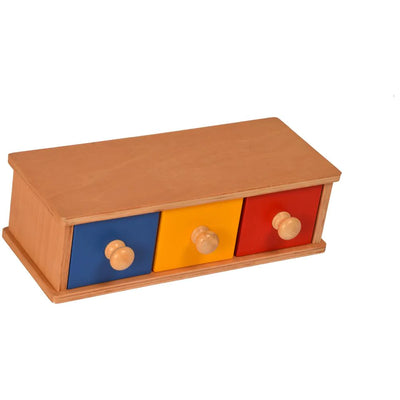
So, what exactly is an object permanence box? This foundational Montessori material is a simple wooden box with a hole on top and a small tray or drawer at the front. The child drops a ball into the hole, and after a brief disappearance, it reappears in the tray.
This activity teaches the crucial concept of object permanence, which is the understanding that objects continue to exist even when they cannot be seen, heard, or touched. This works because it directly addresses a key developmental milestone identified by psychologist Jean Piaget, typically emerging between 4 to 8 months of age. Parents can introduce this activity to help their child build concentration, develop fine motor skills, and grasp cause and effect in a concrete way.
Why DIY Matters for Indian Homes
In India, where resources are often valued and reused, a DIY approach to educational materials resonates deeply. Whether you live in a sprawling independent house or a cosy apartment in Bengaluru, a cardboard box is always within reach. Crafting a DIY object permanence box embodies the spirit of 'jugaad' – innovative problem-solving using available materials.
It's also a fantastic way to involve family members. Your older child can help decorate, while grandparents might share stories as you work together. It makes learning a community effort, perfect for the Indian family structure.
Creating Your DIY Montessori Object Permanence Box
Ready to get started? Gather your materials and let's bring this beautiful learning tool to life!
Materials You'll Need:
- A sturdy cardboard box (e.g., a shoe box or a small appliance box)
- A pair of scissors or a craft knife (adult supervision essential!)
- Strong adhesive (fevicol, hot glue gun, or strong tape)
- A small ball (must fit through the hole you'll make, not too small to be a choking hazard)
- Optional: Paint, coloured paper, fabric scraps for decoration
Remember, safety first! Always ensure your chosen ball is large enough not to be a choking hazard for your child.
Step 1: Preparing the Cardboard Box
First, select your cardboard box. If it has a lid, you can either keep it attached or remove it. You'll need a stable base. If your box is too tall, you might want to trim its height. Ensure all flaps are securely taped or glued down to create a robust structure.
Step 2: Making the Drop Hole
On the top surface of your box, draw a circle slightly larger than your chosen ball. Carefully cut out this circle using scissors or a craft knife. Make sure the edges are smooth to prevent any cuts or scrapes for tiny fingers.
Step 3: Crafting the Collection Tray/Drawer
This is where the magic happens! For a simple version, you can cut a rectangular opening on the front side of the box, near the bottom. The ball will roll out directly from this opening. Ensure it's wide enough for the ball to exit easily and for your child to retrieve it.
For a slightly more elaborate version, you can create a small 'drawer' or tray. Cut a small, shallow box (like a matchbox or a small chocolate box) and attach it to the inside of your main box, directly beneath the hole, so that when the ball drops, it lands in this tray. The front of this tray should align with an opening you cut on the main box, creating a pull-out drawer effect. Alternatively, a simple ramp leading to the front opening works just as well!
Step 4: Assembling and Decorating
Once all your cuts are made and the tray/opening is in place, secure everything with glue or strong tape. You can then decorate your box! Use child-safe paints, stick colourful paper, or even wrap it in a festive fabric. Let your child join in this step, choosing colours or helping to stick. It makes the activity even more personal and engaging.
Introducing the Activity to Your Child
Present the finished object permanence box to your child in a calm, inviting manner. Sit beside them and demonstrate by slowly dropping the ball into the hole, allowing them to see it reappear in the tray. Repeat this a few times without speaking, letting your child observe. Then, offer the ball to them and allow them to explore.
Remember, Montessori learning activities emphasize observation and non-intervention. Let your child experiment at their own pace. Some might spend ages dropping the ball, others might try to put their fingers in the hole. Every interaction is a learning opportunity, aiding their concentration and fine motor skill development. You might notice they also enjoy other toddler Montessori materials like stacking toys or shape sorters once they grasp this concept.
Benefits Beyond the Box
Engaging with the object permanence box offers numerous benefits for your child's cognitive development. It strengthens their understanding of cause and effect, enhances hand-eye coordination, and refines their pincer grasp as they pick up the ball. This foundational understanding paves the way for more complex problem-solving later on.
It's one of the simplest yet most profound Montessori learning materials, demonstrating Maria Montessori's genius in designing activities that cater to a child's natural curiosity. If you ever feel like purchasing a professionally crafted one, SkilloToys also offers a beautiful range of object permanence boxes and other educational toys for toddlers.
Key Takeaways
- A DIY Montessori object permanence box fosters essential child development skills like object permanence, concentration, and fine motor control.
- Crafting it from cardboard is a budget-friendly and sustainable activity, perfect for Indian homes.
- The activity supports cognitive growth, especially for children aged 6-12 months, aligning with Piaget's developmental stages.
- Involve family members in the DIY process to enhance bonding and make learning a shared experience.
- Present the activity calmly and allow your child to explore independently, following Montessori principles.
What age is best for the object permanence box?
The object permanence box is typically introduced to infants between 6 to 12 months of age, when they are actively developing their understanding that objects continue to exist even when out of sight. It's suitable once they can sit unassisted and grasp objects.
How do I introduce the box to my child?
Introduce the box by sitting with your child and demonstrating the action slowly and silently a few times. Drop the ball into the hole, allowing them to see it reappear, then offer the ball to your child to try themselves. Observe without interfering.
What if my child isn't interested?
It's perfectly normal for a child not to be immediately interested. Don't force it. Put the box away and reintroduce it another day. Children have varying interests and attention spans, and their curiosity might spark at a different time.
Can I use other items besides a ball?
Yes, you can! Small, chunky items that fit through the hole but are not choking hazards (like wooden coins or larger beads) can be used. Ensure they are safe, easy to grasp, and provide a clear 'drop and reappear' action.
What are other simple Montessori at home India activities?
Many household items can be transformed into Montessori activities. Think pouring rice or lentils between two bowls (practical life), sorting bangles by colour (sensorial), or matching pairs of socks (logic). Exploring these simple activities is a great way to incorporate Montessori at home India.
Embracing these simple, meaningful activities at home truly enriches your child's early years. For more inspirations and high-quality Montessori materials, do explore SkilloToys.com – your partner in fostering joyful learning for children across India.