Maria Montessori: Italy's First Female Doctor & Education Pioneer
Imagine a time when the idea of a woman pursuing higher education, especially in medicine, was almost unheard of. Now, picture a trailblazing woman who not only broke those barriers but went on to transform our understanding of how children learn. We're talking about none other than Maria Montessori, and a fascinating little-known fact about her is that Maria Montessori was the first female doctor in Italy. This wasn't just a personal achievement; it was a foundational experience that deeply influenced every aspect of the Montessori method we cherish today in homes across India.
So, what exactly does this groundbreaking medical background mean for the educational philosophy many of us are embracing for our little ones? Montessori education is a child-centred approach built on scientific observation. This works because it respects each child's natural developmental path, allowing them to learn at their own pace in a carefully prepared environment. Parents in India can easily apply these principles by observing their child's interests and creating spaces that encourage independent exploration, much like a doctor observes a patient to understand their unique needs.
From Medicine to Education: A Trailblazing Journey
Born in 1870, Maria Montessori's path to becoming a doctor was anything but easy. She faced immense societal resistance and prejudice, as medicine was considered a man's profession. Yet, her fierce determination and intellect saw her through, culminating in her graduation from the University of Rome in 1896. This was a monumental achievement, not just for her, but for women's rights and education across Italy and beyond.
Her medical training wasn't just about anatomy and physiology; it instilled in her a deep commitment to scientific observation, meticulous data collection, and a holistic understanding of human development. Initially working with children deemed 'uneducable' in an asylum, she didn't see their limitations but rather their untapped potential. She approached their learning challenges with a doctor's diagnostic eye, seeking to understand why they struggled and how specific interventions could help.
The Doctor's Eye: Observing Every Child's Potential
It was this rigorous medical approach that led Maria Montessori to believe that education should be based on careful observation of the child, not on preconceived notions of what they should know. Just as a doctor watches for symptoms and responses, she watched children's spontaneous activity, noting what captured their attention, what they repeated, and what brought them joy. This informed her creation of specific, hands-on Montessori Method learning materials.
For Indian parents, this means taking the time to truly see your child. Instead of immediately correcting or intervening, observe how they interact with their surroundings – whether it's trying to stack blocks, pour water, or help with a small chore in the kitchen. This observation helps you understand their sensitive periods and what they are naturally drawn to, making it easier to offer `Montessori learning activities` that truly resonate with them.
A Scientific Approach to Child Development in Indian Homes
Maria Montessori's medical background gave her an unparalleled perspective on `child development India`. She understood that development isn't linear but follows distinct, universal patterns. Her method, therefore, isn't about rote learning but about preparing an environment that supports these natural stages. This scientific rigour is why Montessori continues to be so effective and respected worldwide.
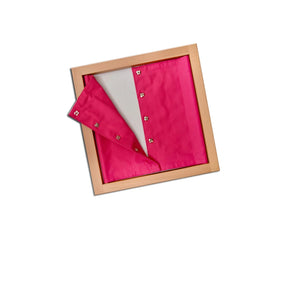
Bringing this scientific approach into your Indian home can be simple. It means providing practical life activities that empower independence, like setting up a small sweeping broom or a pouring station. Even in smaller apartments, a dedicated child-sized shelf with a few carefully chosen `educational toys for toddlers` can work wonders. In joint families, grandparents often instinctively understand the value of observation and patience, aligning beautifully with Montessori principles, allowing children to learn through exploration and self-correction.
Why Her Legacy Matters for Montessori at Home India
Maria Montessori's journey from Italy's first female doctor to a globally revered educator highlights the deep connection between understanding the human body and mind, and fostering optimal learning. Her medical lens allowed her to design an educational system that truly respects the child as a whole individual – physically, intellectually, and emotionally. This holistic approach makes `Montessori at home India` incredibly relevant for parents seeking meaningful development for their children.
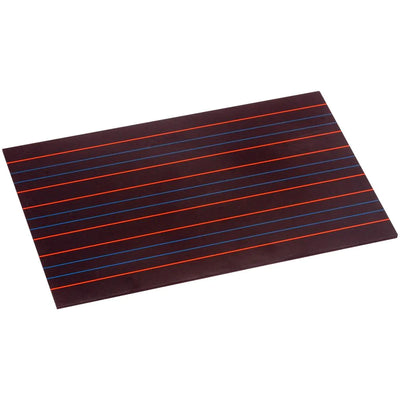
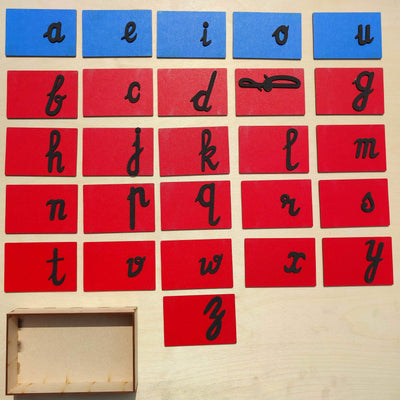
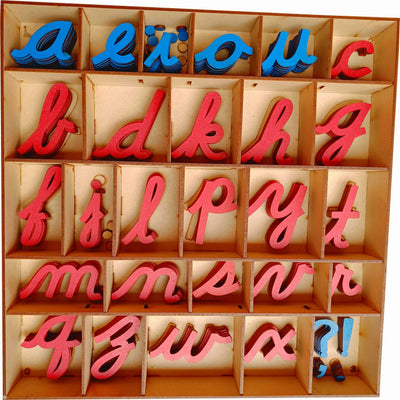
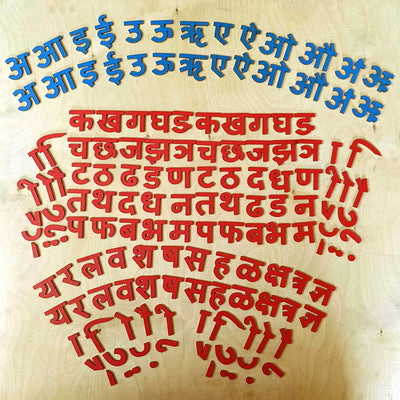
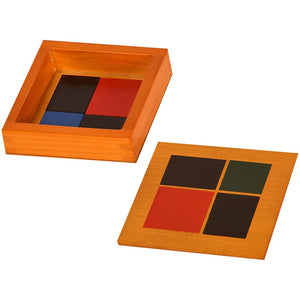
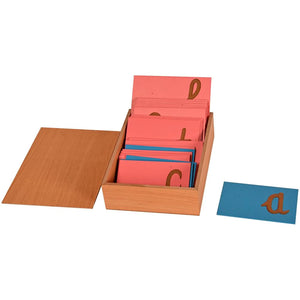
Consider how she designed materials like the Sandpaper Letters or the Movable Alphabet. Her understanding of sensory perception, motor skills, and cognitive development, honed through medical practice, ensured these tools weren't just toys, but precise instruments for learning. Similarly, the Pink Tower isn't just a stacking game; it's a carefully calibrated tool for developing visual discrimination of size, a direct outcome of her scientific insights. We also have excellent Montessori language materials available to support early literacy, reflecting her deep understanding of how children acquire language.
Her extraordinary life reminds us that true innovation often comes from combining diverse fields of knowledge. Her medical expertise didn't just break barriers; it built bridges to a more profound understanding of children and how best to nurture their incredible potential.
Key Takeaways
- Maria Montessori was the first female doctor in Italy, a groundbreaking achievement for her time.
- Her medical training instilled a scientific approach to observation and understanding human development.
- This background profoundly influenced the Montessori method, making it evidence-based and child-centred.
- Montessori education emphasizes respecting each child's unique developmental pace and interests.
- Parents can apply these principles at home by observing their children and providing purposeful activities.
FAQ
Who was Maria Montessori?
Maria Montessori was an Italian physician and educator, best known for developing the Montessori method of education. She revolutionized pedagogical thought by advocating for child-centred learning environments based on scientific observation.
How did her medical background influence Montessori education?
Her medical training provided a strong foundation in scientific observation, diagnosis, and a holistic understanding of human development. This led her to approach education from a developmental perspective, focusing on children's natural tendencies and needs rather than traditional rote learning.
Is Montessori suitable for Indian homes?
Absolutely! The Montessori method's emphasis on practical life skills, independence, and respect for the child integrates seamlessly into Indian family values and home environments. Even in smaller spaces, parents can create prepared areas for `Montessori learning activities` that encourage exploration and self-reliance.
What are some basic Montessori principles parents can apply?
Parents can focus on creating a prepared environment, observing their child without judgment, fostering independence through practical life activities, and respecting the child's innate drive to learn. Offering choices and allowing children to complete tasks at their own pace are also key.
Maria Montessori's incredible journey reminds us that every child holds immense potential, waiting to be unlocked with respect and thoughtful guidance. At SkilloToys.com, we are inspired by her vision to bring high-quality, authentic Montessori learning materials to Indian families, helping you nurture your child's innate brilliance.