Maria Montessori: Italy's First Female Doctor & Education Pioneer
Imagine a time when it was almost unheard of for women to pursue higher education, especially in demanding fields like medicine. Yet, against all odds, one remarkable woman not only broke through these barriers but went on to revolutionise how we understand and educate children worldwide. We're talking about Maria Montessori, who, in 1896, achieved the extraordinary feat of becoming the first female doctor in Italy.
This surprising fact often takes parents by surprise, especially those of us in India who are exploring the wonders of the Montessori method for our little ones aged 0-6. It’s a powerful reminder that her educational philosophy isn't just based on intuition, but deeply rooted in scientific observation and a profound understanding of human development.
What Exactly is the Montessori Method?
At its core, the Montessori method is an educational approach that champions a child's natural desire to learn. It’s about creating a 'prepared environment' where children can explore, discover, and develop at their own pace, guided by specially designed materials and the observation of a trained adult. This philosophy sees children as competent individuals, capable of initiating their own learning, a belief directly influenced by Maria Montessori's medical background and her scientific approach to understanding human beings.
Maria Montessori's Medical Journey and its Impact on Education
Maria Montessori's path began with her medical studies at the University of Rome, a period marked by immense challenges and societal prejudice against women in science. Her initial work as a doctor focused on psychiatry, particularly with children labelled as 'mentally deficient.' Through meticulous observation, a skill honed by her medical training, she realised these children didn't just need medical care; they needed engagement, stimulation, and purpose.
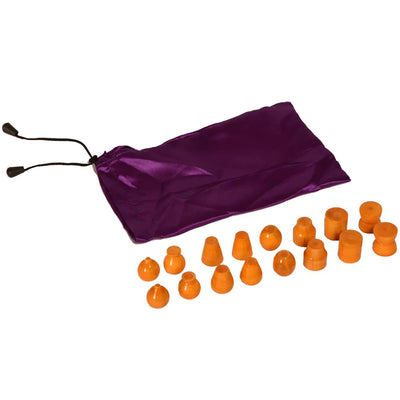
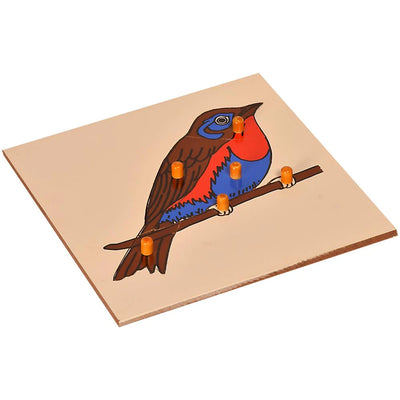
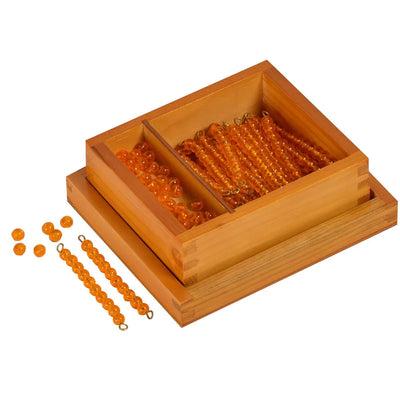
This profound insight led her to believe that education was not about filling children with facts, but about nurturing their inherent potential. She applied the scientific method to education, carefully observing how children interacted with their environment and responded to different activities. This led to the development of unique, hands-on learning materials designed to appeal to a child's innate curiosity and aid their development, which you can explore in our Montessori method learning materials collection.
Understanding the Child Holistically: A Montessori Approach for Indian Homes
Her medical perspective allowed Maria Montessori to view each child holistically – understanding their physical, emotional, social, and cognitive needs as interconnected. This approach resonates deeply with Indian cultural values, where holistic development and nurturing are paramount, especially within our close-knit joint families or even in smaller nuclear setups in bustling cities like Bengaluru.
Montessori education isn't just about academic learning; it's about developing the whole child. For Indian parents, this means creating an environment at home that fosters independence, concentration, and a love for learning, echoing the respect for self-reliance and community that our traditions often teach. It helps in nurturing overall child development in India, considering local contexts and family dynamics.
Practical Montessori Applications Inspired by Her Medical Mind
Think about a doctor's examination: every detail matters. Similarly, Montessori materials are meticulously designed. Her medical background taught her the importance of sensory input for brain development. This is why Montessori learning activities often involve concrete, hands-on experiences before abstract concepts.
For instance, language development isn't just about rote memorisation. Materials like the Montessori language materials, such as sandpaper letters or the movable alphabet, allow children to physically feel and manipulate the shapes of letters, engaging multiple senses. This approach to educational toys for toddlers and preschoolers is rooted in understanding how a child's brain naturally processes information, making learning more effective and joyful.
In our Indian homes, whether it's a spacious house or a cosy apartment, we can adapt these principles. Setting up a 'practical life' corner with child-sized utensils for helping with chores, or providing simple, natural materials for open-ended play, aligns perfectly with the Montessori philosophy. These activities not only develop fine motor skills but also instill a sense of responsibility and capability, vital for healthy growth.
The Montessori Legacy: A Doctor's Gift to the World
Maria Montessori's journey from being Italy's first female doctor to becoming a world-renowned educator is a testament to her visionary spirit and scientific rigor. She didn't just teach children; she studied them, applying a doctor's keen eye to understand their inner workings and unlock their full potential. Her work showed the world that all children, regardless of background or perceived abilities, thrive in an environment that respects their individuality and provides opportunities for self-directed learning.
Her legacy continues to inspire millions of parents globally, including those right here in India, to embrace a more observant, respectful, and empowering approach to raising children. It’s a gift that keeps on giving, fostering capable, confident, and compassionate individuals.
Key Takeaways
- Maria Montessori was the first female doctor in Italy, achieving this feat in 1896.
- Her medical background provided a scientific and observational foundation for her educational philosophy.
- The Montessori method views children holistically, focusing on physical, emotional, and cognitive development.
- Montessori education emphasizes a 'prepared environment' and hands-on, self-correcting materials.
- Her insights support child-led learning, fostering independence and a lifelong love for exploration.
Frequently Asked Questions (FAQs)
What inspired Maria Montessori to develop her educational method?
Maria Montessori was initially inspired by her work with children with special needs in psychiatric clinics. Her medical observations led her to believe that these children, and indeed all children, needed stimulating environments and purposeful activities, not just medical treatment.
How does a doctor's perspective influence Montessori education?
Her medical training instilled a scientific approach to observing children, understanding their developmental needs, and designing educational materials based on how their brains and bodies naturally learn. This led to a method that respects the child's innate drive for self-construction.
Are Montessori principles applicable to Indian joint families or small apartments?
Absolutely! Montessori principles like creating a prepared environment, fostering independence, and providing age-appropriate activities can be adapted to any home. Even in small apartments, a designated 'work' area or practical life activities can flourish, and the emphasis on respect and community aligns well with joint family values.
What are some key Montessori materials for child development at home?
Key materials include practical life tools (for pouring, spooning), sensorial materials (like the Pink Tower or Sandpaper Tablets), and language materials (such as the Movable Alphabet). These are designed to be self-correcting and engage children's senses, promoting concentration and skill development.
At SkilloToys.com, we are dedicated to bringing the wisdom of pioneers like Maria Montessori into your Indian home. Explore our curated range of Montessori-inspired educational toys and materials to support your child's incredible journey of discovery.