Maria Montessori: Italy's First Female Doctor & Her Vision
Imagine a time when women rarely pursued higher education, let alone a challenging field like medicine. Now, picture a brilliant young woman, driven by an insatiable curiosity about human development, breaking through those barriers. This remarkable individual was Maria Montessori, and did you know she was the first female doctor in Italy? Her pioneering spirit didn't just open doors in medicine; it revolutionised how we understand and nurture our children's potential.
The Montessori method, which many Indian parents are lovingly adopting in their homes today, is not merely a collection of educational toys or activities. It is a scientifically grounded approach to child development that sprang directly from Dr. Montessori's medical and anthropological observations. This philosophy acknowledges children as capable, self-directed learners from birth, providing them with a 'prepared environment' where they can naturally explore and grow. Parents can implement this by offering age-appropriate materials and fostering independence, allowing their child's innate curiosity to lead the way.
Her Medical Journey and What It Meant for Education
Maria Montessori’s journey to becoming a physician in 1896 was nothing short of extraordinary. She faced immense resistance and societal norms that confined women to domestic roles. Despite the prejudice, her determination saw her through medical school, where she excelled, often studying alone at night because women were not allowed to dissect cadavers alongside male students. Her medical training instilled in her a profound respect for observation, scientific inquiry, and a deep understanding of human physiology and psychology.
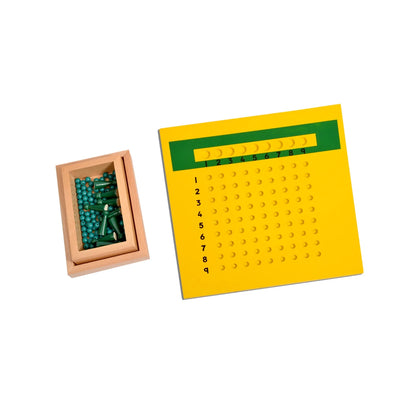
This rigorous medical background profoundly shaped her educational philosophy. Working initially with children with intellectual disabilities, she realised their learning challenges were often educational rather than medical. Instead of traditional teaching, she observed their natural behaviours, adapting tools and environments to meet their developmental needs. This 'scientific pedagogy' was so successful that these children, previously deemed uneducable, passed public examinations alongside their 'normal' peers. It was a testament to her belief that every child possesses an incredible capacity for learning, given the right environment and tools, much like the thoughtfully designed Montessori learning materials we see today.
The Doctor's Prescription for Child Development in Indian Homes
Dr. Montessori's medical insights taught her that development isn't about filling a child's mind, but about fostering its natural unfolding. For Indian parents, this translates into creating a home environment that supports independence and exploration, whether you live in a bustling joint family or a cozy apartment in Bengaluru.
Encouraging Independent Exploration with Educational Toys
Just as a doctor observes symptoms before prescribing treatment, Montessori observed children's innate drives for self-construction. She found that when children are given freedom within limits, they thrive. This means providing carefully chosen educational toys for toddlers that engage their senses and intellect, allowing them to discover concepts like order, dimension, and language on their own terms. Think of simple, wooden puzzles or sorting activities that promote concentration and problem-solving, without adult interference.
Fostering Language Skills: A Doctor's Approach to Communication
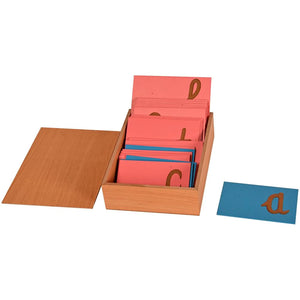
Dr. Montessori understood the critical period for language acquisition from a scientific perspective. She saw how children absorb language effortlessly from their environment. In Indian homes, where often multiple languages are spoken, providing rich linguistic experiences is key. This could involve reading aloud from Indian folktales, singing traditional lullabies, or engaging children with Montessori language materials like sandpaper letters or the movable alphabet, helping them connect sounds to symbols. Grandparents, with their treasure trove of stories and songs, become invaluable assets in this language-rich environment.
Practical Life Activities: Learning Life Skills, The Montessori Way
From a medical viewpoint, a healthy individual is one who can function independently. Dr. Montessori championed practical life activities that empower children with essential skills. These aren't just chores; they are foundational Montessori learning activities that build coordination, concentration, and a sense of contribution. Imagine your child helping to set the table for a family meal, watering the tulsi plant, or even preparing a simple snack – skills that fit perfectly into the fabric of Indian family life and preparations for festivals like Diwali or Ganesh Chaturthi.
Key Takeaways
- Maria Montessori was Italy's first female doctor, breaking significant societal barriers in the late 19th century.
- Her rigorous medical training and scientific observation skills directly informed the development of the Montessori method.
- The Montessori approach views child development through a lens of natural unfolding, rather than rote instruction.
- Creating a 'prepared environment' at home, even in compact Indian apartments, supports a child's innate drive for independence and learning.
- Practical life activities, sensory exploration, and language-rich experiences are crucial components of Montessori at home India.
- Authentic Montessori materials are designed to facilitate self-directed learning and foster concentration in young children.
Frequently Asked Questions About Maria Montessori and Her Work
Was Maria Montessori truly the first female doctor in Italy?
Yes, Maria Montessori holds the distinguished title of being the first woman to officially qualify as a doctor in Italy, achieving this milestone in 1896. Her journey was marked by perseverance against significant societal and academic obstacles.
How did her medical background influence the Montessori method?
Her medical training, particularly her emphasis on observation and scientific methodology, was foundational. It led her to view education not as teaching, but as assisting the child's natural development, much like a doctor helps the body heal by understanding its intrinsic mechanisms.
Can Montessori principles be easily applied in an Indian home?
Absolutely! Montessori principles are universal and can be adapted to any home, including Indian ones. Focus on creating a child-centric space, involving children in daily practical life activities, and providing opportunities for independent exploration with age-appropriate materials.
What are some basic Montessori educational toys for toddlers?
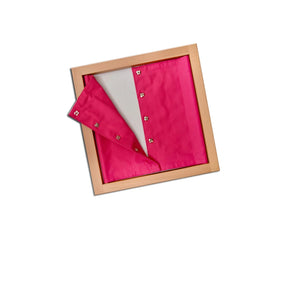
For toddlers, consider sensory materials like the Pink Tower, Knobbed Cylinders, or simple shape sorters and puzzles. Practical life tools like pouring sets, dressing frames, or child-sized brooms also count as educational materials that foster independence and fine motor skills.
Where can I find authentic Montessori learning materials in India?
For high-quality, authentic Montessori learning materials that support your child's developmental journey, look no further than SkilloToys.com. We are committed to providing educational tools that adhere to Dr. Montessori's original vision, crafted for Indian homes and children.
Maria Montessori's legacy as a trailblazing doctor and educator continues to empower parents worldwide, guiding them to see the profound capabilities within every child. At SkilloToys.com, we are proud to support your journey with a thoughtfully curated selection of Montessori educational toys and materials, designed to bring her timeless wisdom into your Indian home.