Montessori Approach to Tantrums: Indian Parent's Guide
Ah, the dreaded tantrum! For Indian parents raising young children aged 0-6 years, these bursts of emotion are an all-too-familiar sight, whether it's in a busy Bengaluru mall or right in the comfort of your joint family living room. It's easy to feel overwhelmed, perhaps even judged, when your little one decides to stage an impromptu protest. But what if there was a way to navigate these stormy waters with grace and understanding? Enter the Montessori approach to tantrums, a respectful and effective method that aligns beautifully with our cultural values of patience and fostering independence.
So, what exactly is a tantrum from a Montessori perspective? A tantrum is an intense expression of frustration, unmet needs, or an inability to communicate strong emotions. It is a normal part of child development, particularly for toddlers and preschoolers (1-3 years and 3-6 years), whose brains are still developing the capacity for emotional regulation. This understanding shifts our focus from seeing tantrums as 'naughtiness' to viewing them as a cry for help or a natural stage of learning self-control. Parents can support this learning process by offering a calm and predictable environment.
Understanding Tantrums, The Montessori Way
Dr. Maria Montessori observed that children, especially during their sensitive periods, are driven by an innate desire for independence and mastery. When they encounter obstacles – whether it's a toy they can't assemble, a desire they can't express, or an unexpected change in routine – their limited coping mechanisms can lead to an emotional outburst. For children, a tantrum is their way of saying, 'I'm overwhelmed, and I don't know how to handle this right now.'
This developmental stage highlights a child's intense need for order and predictability, something often challenged in bustling Indian homes. When a child experiences a tantrum, their prefrontal cortex, responsible for logical thought, is temporarily offline. They are operating from their emotional brain, and our role as adults is to provide a calm anchor amidst their storm, guiding them back to a place of emotional equilibrium.
Do's: Gentle Guidance for Indian Homes
Stay Calm and Present
Your child's emotions are contagious, and so is your calm. When a tantrum strikes, especially in a public space or when grandparents are watching, take a deep breath. Model the emotional regulation you wish to see. Physically get down to your child's eye level, offering a steady, reassuring presence. This helps your child feel secure, knowing you are a safe haven.
Acknowledge Feelings, Set Boundaries
Validate your child's emotions without condoning aggressive behaviour. You might say, 'I see you're very angry that you can't have more sweets,' or 'It's frustrating when the blocks fall down.' Then, gently but firmly, reiterate boundaries: 'We don't hit when we are angry,' or 'It's not okay to throw things.' This teaches them that all feelings are acceptable, but not all actions are. This is a core tenet of respectful Montessori learning activities.
Offer Limited, Meaningful Choices
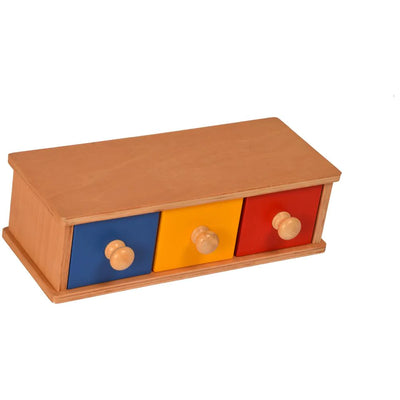
Often, tantrums stem from a feeling of powerlessness. Empower your child by offering limited, age-appropriate choices. Instead of 'Do you want to clean up?' (which might be met with a firm 'No!'), try 'Do you want to put the red blocks away first, or the blue ones?' or 'Would you like to wear the yellow kurta or the green one for the festival?' This gives them a sense of control within safe parameters. SkilloToys offers a range of toddlers Montessori materials that naturally encourage choice and independence.
Prepare the Environment (A "Shanti" Zone)
A well-organised home, a cornerstone of Montessori at home India, can significantly reduce tantrum triggers. Ensure your child's play area has easily accessible, age-appropriate toys and materials that they can manage independently. Consider a 'peace corner' or a quiet spot with soft cushions and calming books where your child can retreat when feeling overwhelmed. This helps them learn self-soothing in their own familiar space, even in a small apartment.
Teach Practical Life Skills
The Montessori method emphasises practical life activities like pouring, sweeping, and dressing oneself. When children master these skills, their confidence soars, and their frustration diminishes. Providing real, child-sized tools and opportunities to contribute to household chores, like helping arrange flowers for puja or folding small napkins, fosters competence and independence, critical for healthy child development India.
Don'ts: What to Avoid for Harmonious Growth
Don't Shame or Punish
Shaming ("Big boys don't cry!") or punishing a child during a tantrum only increases their distress and teaches them to suppress emotions rather than process them. It can damage their self-esteem and lead to more intense outbursts later. Instead, focus on understanding the underlying need.
Don't Give In to Demands
While acknowledging feelings is important, giving in to unreasonable demands during a tantrum teaches your child that intense outbursts are an effective way to get what they want. Consistency is key. If you've said no, stick to it gently but firmly. Grandparents, bless their hearts, sometimes find this difficult, so gentle communication within the family is essential.
Don't Over-Explain or Rationalise
During a tantrum, your child is not in a logical state of mind. Lengthy explanations will only overwhelm them further. Use short, clear phrases and offer a calm presence. The time for discussion and teaching comes after the storm has passed, when both of you are calm.
Don't Distract or Bribe
Offering a bribe ("If you stop crying, you can watch TV") or a quick distraction might stop the tantrum in the short term, but it prevents your child from learning to process their emotions. It also teaches them that their feelings are something to be avoided or suppressed, rather than understood and managed constructively.
Navigating tantrums with the Montessori approach is about seeing your child as a capable individual, even when they're struggling. It requires patience, empathy, and consistency, but the rewards are immense: a child who feels understood, develops emotional resilience, and grows into a confident, independent human being. For parents in India seeking quality educational toys and resources to support this journey, SkilloToys.com offers a curated selection of materials that align perfectly with Montessori principles, helping you foster calm and joyful learning at home.