Montessori Botany & Nature Study at Home in India
Every Indian home, whether a sprawling ancestral house or a cosy city apartment, holds a world of discovery for a child. Have you ever noticed your little one's fascination with a potted tulsi plant or a wilting rose petal? This innate curiosity is the perfect starting point for Montessori botany and nature study at home in India.
Montessori botany and nature study is an approach that encourages children to explore the natural world around them with a sense of wonder and scientific inquiry. It’s not just about naming plants; it's about understanding their parts, functions, and place in our ecosystem. This works because children are naturally drawn to life and growth, and direct interaction fosters deep understanding and respect for nature. Parents can easily integrate simple, hands-on activities using readily available Indian flora, sparking a lifelong love for learning and the environment.
Why Nature Study Matters for Your Child's Development
Engaging with nature offers profound benefits for early childhood development. It sharpens observational skills, nurtures patience, and even helps refine fine motor skills as children handle delicate leaves or seeds. For many Indian parents exploring Montessori at home India, integrating nature study provides a holistic learning experience that goes beyond textbooks, fostering a deep connection to their surroundings.
Connecting with Local Indian Flora
You don't need exotic plants to begin. Look around your balcony or neighbourhood. A hibiscus from the garden, a marigold from a festival garland, or even a curry leaf plant from the kitchen can be a starting point. Talk about its leaves, stem, flower, and roots. This familiarity makes learning relatable and exciting for children.
Practical Montessori Botany Activities for 0-6 Years
Bringing nature indoors means creating an environment rich with opportunities for exploration. Here are some simple ideas:
The Plant Parts Puzzle (Ages 3-6)
A classic Montessori activity involves dissecting a plant (like a hibiscus or a sunflower) and identifying its parts: roots, stem, leaves, flower, fruit, and seed. You can draw outlines on paper and have your child place the actual parts on them. For younger children, simply pointing out and naming the parts of a plant in your garden is a wonderful start. This helps build vocabulary and understanding of botanical concepts.
Leaf Shapes & Textures (Ages 2-6)
Collect various leaves from your neighbourhood – neem, mango, peepal. Talk about their shapes (ovate, lanceolate), textures (smooth, rough, hairy), and even their veins. You can create leaf rubbings with crayons and paper, or use them for sorting activities. These simple Montessori learning activities enhance sensory development and classification skills.
Caring for Plants: A Daily Ritual (All Ages)
Involve your child in watering plants, wiping leaves, or even repotting. Give them a small, child-sized watering can. This teaches responsibility, care for living things, and introduces the concept of plant needs. Even in small city apartments, a few potted plants can offer this enriching experience. It's an excellent way to introduce educational toys for toddlers like a watering can or a small trowel.
Seed to Sapling Observation (Ages 3-6)
Sprout some seeds at home – perhaps rajma, chana, or methi. Place them on wet cotton wool in a transparent jar. Your child can observe the roots emerging, then the shoot. This visual demonstration of germination is truly magical and teaches about life cycles. Our collection of activity kits can often complement these observations, providing structured learning tools.
Nature Walks & Treasure Hunts (All Ages)
Regular walks in a nearby park, even a short stroll in your lane, can be a nature study adventure. Encourage your child to collect fallen leaves, pebbles, interesting seeds, or small flowers. Bring them home to sort, classify, and discuss. This encourages outdoor play and observation, key for child development India.
Creating a Nature-Rich Environment at Home
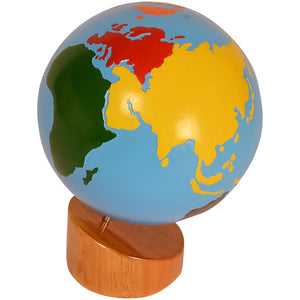
Even with limited space, a dedicated 'nature corner' can make a big difference. A small table with a magnifying glass, a collection of interesting stones, a pressed flower, or a nature-themed book can spark endless curiosity. Consider adding materials like plant life cycle puzzles or landform models from our Montessori Geography Materials to deepen their understanding of our planet's diverse environments. Remember, the goal isn't perfection, but consistent exposure and an environment that fosters discovery. Grandparents often have a wealth of traditional knowledge about local plants and their uses, which can be beautifully incorporated into these lessons.
Key Takeaways
- Montessori botany and nature study taps into a child's innate curiosity about the natural world.
- It fosters observation skills, fine motor development, and a deep respect for living things.
- Utilise common Indian plants (tulsi, hibiscus, neem, curry leaf) for relatable learning experiences.
- Practical activities include identifying plant parts, exploring leaf textures, caring for plants, and observing seed germination.
- Involve children in daily plant care to teach responsibility and environmental awareness.
- Create a simple 'nature corner' with a magnifying glass and collected treasures to encourage exploration.
- Regular nature walks are invaluable for hands-on learning and connecting with the local environment.
Frequently Asked Questions
What age is best to start Montessori botany at home?
You can begin as early as infancy by simply taking your child outdoors and pointing out elements of nature. Structured activities like identifying plant parts or seed sprouting are ideal for children aged 2.5 to 6 years, aligning with their sensitive periods for language and order.
Do I need special Montessori materials for nature study?
Not necessarily! While specific Montessori materials like botany puzzles are excellent, you can start with real plants, leaves, seeds, and gardening tools found around your Indian home. The emphasis is on hands-on exploration and direct interaction, which everyday natural elements provide abundantly.
How can I integrate nature study if I live in a small apartment in India?
Even in small apartments, you can maintain a few potted plants on a balcony or windowsill. Focus on indoor activities like sprouting seeds in jars, creating leaf rubbings, or observing cut flowers. Regular short walks in a nearby park or even just your street can provide essential outdoor exposure.
What are some good Indian plants to start with for botany lessons?
Excellent choices include the Tulsi (Holy Basil), Hibiscus, Neem, Curry Leaf, or even common vegetables like coriander and fenugreek. These are familiar, easily accessible, and provide diverse examples of leaves, flowers, and scents for children to explore.
How does nature study support overall child development in India?
Nature study significantly boosts cognitive development by enhancing observation and classification skills. It promotes fine motor skills through handling delicate objects, fosters a sense of responsibility, and connects children to their cultural and environmental heritage, aligning perfectly with holistic child development India goals.
Embracing Montessori botany and nature study at home is a beautiful journey, connecting your child to the living world around them. Explore our full range of Montessori Method Learning Materials & Toys at SkilloToys.com to further support this enriching exploration and nurture your child's natural curiosity.