Montessori Children & Executive Function: Higher Scores Explained
As parents in bustling Indian homes, whether in a joint family setup or a cozy apartment, we're constantly thinking about our child's future. We want them to not just learn, but to truly thrive. You might have heard whispers about Montessori children often scoring higher in executive function studies. What exactly does this mean for your little one, and how does the Montessori approach foster these vital skills from an early age?
Executive function is an umbrella term for a set of mental skills that include working memory, flexible thinking, and self-control. These are the brain's command centre, helping us manage tasks, solve problems, plan for the future, and regulate our emotions. This works because these skills develop rapidly in early childhood and lay the groundwork for academic success, social competence, and lifelong well-being. Parents can support their child's executive function development by providing a structured yet freedom-filled environment, much like the Montessori method suggests.
Fostering Focus & Concentration in Indian Homes
One of the most noticeable differences in a Montessori environment is the child's ability to focus for extended periods. Maria Montessori observed that children, given the right environment and materials, could concentrate intensely on an activity. This sustained attention is a core component of executive function.
The carefully designed Montessori method learning materials are self-correcting and isolate a single quality, allowing children to immerse themselves without unnecessary distractions. A child meticulously working with a Pink Tower or sorting beads is not just playing; they are building their capacity for sustained attention, a skill invaluable in school and life. Even in a lively Indian home, creating a quiet corner for focused work can make a big difference, perhaps with a grandparent's loving guidance.
The Power of Choice & Self-Regulation
Montessori places a strong emphasis on freedom within limits. Children are encouraged to choose their own activities from a prepared environment. This seemingly simple act of choice plays a profound role in developing self-regulation and decision-making skills.
When a child chooses an activity from a prepared shelf, like the Montessori Sensorial materials, they learn to initiate, plan, and complete a task. This independence cultivates a sense of responsibility and intrinsic motivation. For parents exploring Montessori learning activities at home, offering limited, age-appropriate choices, such as selecting what fruit to cut for breakfast or which traditional Indian snack to help prepare, builds these essential self-management skills.
Developing Working Memory & Flexible Thinking
Working memory is the ability to hold information in your mind while using it to complete a task, and flexible thinking involves adapting to new situations and problem-solving. The Montessori environment naturally fosters these through hands-on, sequential learning.
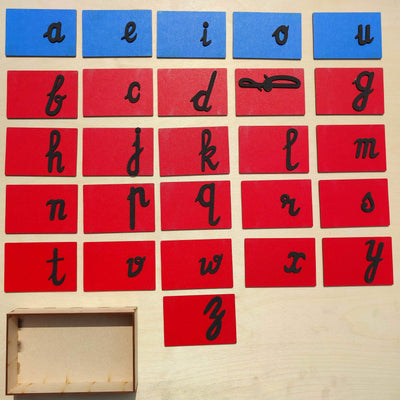
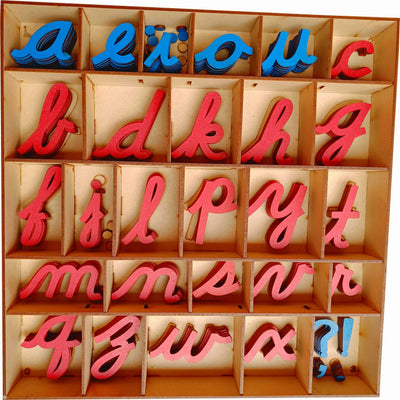
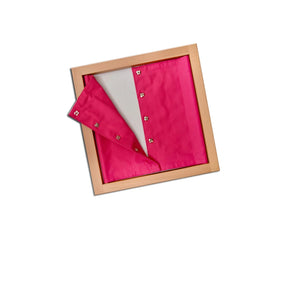
Practical life activities, such as pouring water, buttoning clothes, or washing vegetables, require children to remember a sequence of steps and adapt if something doesn't go as planned. Working with the Movable Alphabet or Sandpaper Letters also strengthens working memory and phonetic awareness. Activities like matching and sequencing, whether it's setting the table for a family meal or working with educational toys for toddlers, are crucial for enhancing a child's cognitive flexibility and ability to plan.
Practical Tips for Montessori at Home, India
Integrating Montessori principles into your daily life doesn't require a complete overhaul, especially for Indian parents with unique family dynamics and spaces. Start small to support your child development in India:
- Create a Prepared Environment: Even in smaller Indian apartments, creating a designated 'work space' with age-appropriate materials and toys can make a world of difference. Ensure everything is within your child's reach.
- Observe & Respond: Spend time simply watching your child. What interests them? What challenges do they face? This helps you understand their needs and provide targeted support.
- Foster Independence: Involve them in household chores – from folding clothes (even their tiny kurtas!) to helping sort lentils for dinner. These practical life activities are foundational.
- Limit Overstimulation: In our vibrant Indian culture, sensory input is abundant. Provide quiet times and simple, beautiful materials to help children concentrate.
- Respect the Child: Trust in your child's innate drive to learn. Allow them to repeat activities until satisfied and intervene only when necessary.
Key Takeaways
- Montessori education significantly contributes to the development of robust executive function skills in young children.
- Sustained focus and concentration are nurtured through self-correcting, hands-on Montessori learning materials.
- The emphasis on choice and independence within a prepared environment enhances a child's self-regulation and decision-making abilities.
- Practical life activities and sequential learning foster working memory and flexible thinking from an early age (0-6 years).
- Parents can integrate Montessori principles at home by offering age-appropriate activities, creating a dedicated workspace, and respecting their child's innate drive for independence.
Frequently Asked Questions
What is the best age to start Montessori for executive function development?
The Montessori approach is highly effective for executive function development from birth, as early childhood (0-6 years) is a critical period for brain development. Starting with practical life skills and sensorial experiences even for toddlers provides a strong foundation.
Can Montessori help children with attention challenges?
Yes, the structured yet freedom-filled nature of Montessori, with its emphasis on concentration and self-directed work, can be particularly beneficial for children with attention challenges. The ability to choose tasks and work at one's own pace often improves focus.
How can I support executive function at home without formal Montessori materials?
You can support executive function at home by involving children in daily chores, offering limited choices, encouraging independent problem-solving with everyday objects, and playing games that require planning and memory. Focus on fostering independence and a love for practical tasks.
What are some signs of strong executive function in a child?
Signs of strong executive function include a child's ability to focus on a task, remember instructions, plan simple activities, adapt to changes, control impulses, and manage their emotions appropriately for their age. They show increasing independence and problem-solving skills.
At SkilloToys.com, we believe every Indian child deserves the best start. Explore our curated collection of Montessori-inspired educational toys and materials designed to nurture these crucial executive function skills, empowering your little one to become a confident, capable learner.