Montessori Classrooms: Why No Desks in Rows?
Ever stepped into a Montessori classroom and noticed something strikingly different? There are no traditional desks arranged in neat, military-style rows. This isn't just an aesthetic choice; it's fundamental to the Montessori philosophy. The real reason Montessori classrooms have no desks in rows is deeply rooted in understanding child development and fostering independence, concentration, and a love for learning.
What exactly is a Montessori Prepared Environment? It's a thoughtfully designed space that allows children to explore, learn, and develop independently. This works because every element, from the layout to the specific Montessori materials, is intentionally chosen to meet the developmental needs of the child. Parents can replicate aspects of this at home by creating accessible, clutter-free zones with engaging educational toys for toddlers.
Freedom of Movement: A Core Montessori Principle
Maria Montessori observed that children have an innate drive to move and interact with their environment. Unlike traditional setups where children are expected to sit still for long periods, a Montessori classroom acknowledges and respects this need. Imagine trying to learn a new skill while feeling constrained – it's much harder, isn't it?
Why Movement Matters for Young Minds
Movement is crucial for cognitive development, especially in the early years. It helps children develop gross and fine motor skills, spatial awareness, and even language. When children can move freely, choose their 'work' (activity), and carry it to a mat or table, they are actively engaging their bodies and minds. This self-directed activity builds stronger neural pathways and enhances concentration.
Practical Implications in the Classroom
Without fixed desks, children can choose to work at small tables, on floor mats, or even stand. This flexibility allows them to find the most comfortable and effective position for their learning style. Think about how many Indian families prefer to sit on the floor for meals or discussions – it's a natural, comfortable way to engage, fostering a sense of ease and focus.
Nurturing Independence, One Choice at a Time
The absence of desks in rows is a powerful statement about trust in the child's inner guide. It communicates that the child is capable of making choices and taking responsibility for their learning journey.
Choosing Their Own Path: The Work Cycle
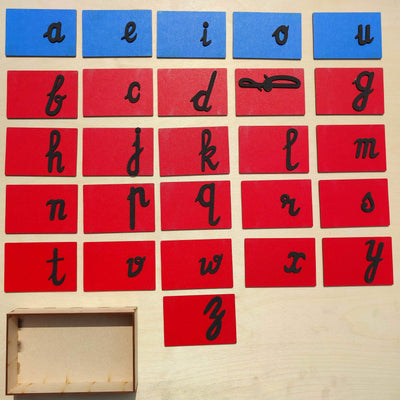
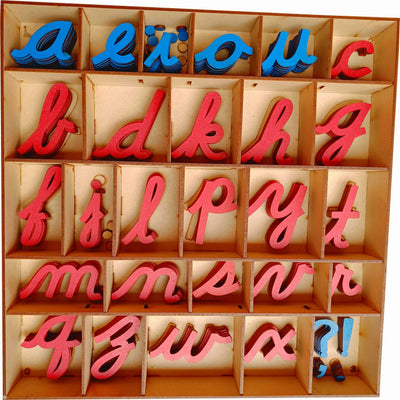
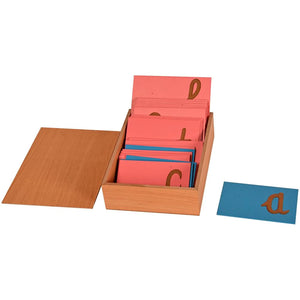
In a Montessori environment, children are introduced to a wide range of carefully designed Montessori materials – from the Pink Tower to Sandpaper Letters. They are free to choose an activity that interests them, work with it for as long as they need, and then return it to its place. This 'work cycle' cultivates a deep sense of ownership and discipline, far more profound than simply following instructions.
Deep Concentration Without Distractions
When children are engaged in self-chosen work, their concentration deepens naturally. The lack of rigid seating arrangements means fewer external distractions and less pressure to conform to a group pace. Each child can immerse themselves fully in their chosen task, fostering a profound state of 'flow' that is vital for meaningful learning. This also aligns with the Indian concept of 'sadhana' – focused, dedicated practice.
Beyond Individual Desks: A Community of Learners
While fostering individual independence, the Montessori classroom also builds a strong sense of community and social responsibility. The open layout encourages interaction, collaboration, and peer learning.
Learning from Peers and Mentors
Without desks isolating them, children naturally observe each other, learn from older children, and even teach younger ones. This multi-age grouping, common in many Montessori settings, mirrors the dynamics of a joint family where children learn from siblings, cousins, and grandparents. Children learn patience, empathy, and how to navigate social dynamics in a respectful manner.
The Indian Home Connection: Joint Families and Floor Seating
Consider the typical Indian home, often buzzing with activity, where children frequently sit on the floor, move freely, and participate in daily chores alongside elders. This informal, community-centric learning, rich with Practical Life materials, aligns beautifully with the Montessori classroom's design. It teaches respect for shared spaces and the importance of contributing to the collective good, which is a cornerstone of our cultural values for child development India.
Key Takeaways
- Montessori classrooms prioritize freedom of movement for holistic child development.
- The absence of desks in rows fosters independence and deep concentration.
- Children choose their 'work' and engage in self-directed learning activities.
- The open layout promotes peer learning and a strong sense of community.
- This design respects the child's natural developmental needs, unlike traditional setups.
- Parents can apply these principles for Montessori at home India, encouraging movement and choice.
Frequently Asked Questions About Montessori Classrooms
Why don't Montessori classrooms have a teacher's desk?
In a Montessori classroom, the educator is a 'guide' or 'directress,' not a lecturer. There isn't a central teacher's desk because the focus is on the children's work and their interaction with the environment and materials, not on the teacher as the sole source of knowledge.
Do Montessori children ever sit at tables?
Yes, absolutely! While there are no fixed rows of desks, Montessori classrooms have various small tables and chairs. Children choose to work at a table, on a floor mat, or even stand, depending on the activity and their personal preference for the moment.
How does this design help children with diverse learning needs?
The flexible, non-traditional classroom design allows children to move, choose their pace, and work in ways that best suit their individual learning styles and needs. This adaptability is especially beneficial for children who might find rigid, desk-bound environments challenging, promoting inclusive Montessori learning activities.
Is it difficult to transition from a Montessori classroom to a traditional school?
Children who experience Montessori education often develop strong self-discipline, problem-solving skills, and a love for learning. While the physical environment changes, these foundational skills typically help them adapt well to new settings, showing the long-term benefits of this approach to child development India.
Understanding these fundamental principles can truly transform how we view early education. At SkilloToys.com, we believe in empowering Indian parents with insights and Montessori educational toys that foster independence and a lifelong love for learning, right in your own home.