Montessori Colour Box Activities for Toddlers at Home
In the vibrant tapestry of an Indian home, where colours are woven into everything from rangoli to festivals, introducing our little ones to this beautiful spectrum is a joyful journey. As parents, we often seek meaningful ways to engage our children, especially in their early years. If you're exploring or practising Montessori at home India, then embracing Montessori colour box activities for toddlers at home can be a wonderful next step. These simple yet profound tools, often found among Montessori sensorial materials, offer a gateway to understanding the world of colours.
What is the Montessori Colour Box and Why is it Effective?
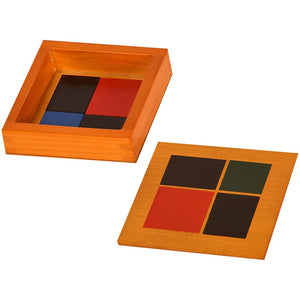
The Montessori Colour Box is a foundational sensorial material designed to help children develop visual discrimination of colour. Typically, it comes in three progressive stages (Box 1, 2, and 3), starting with primary colours and moving to a wider spectrum and gradients. This material works because it isolates the quality of colour, allowing the child to focus solely on matching and identifying hues without other distractions. Parents can introduce these boxes as soon as their child shows an interest in distinguishing objects by colour, often around 18 months to two years.
Maria Montessori believed that children learn best through direct experience and exploration. The Colour Box empowers toddlers to explore colours independently, fostering concentration and an understanding of order. It's a key part of developing their visual sense, laying groundwork for future learning.
Getting Started with Colour Box 1: The Primary Hues
Colour Box 1 introduces the three primary colours: red, yellow, and blue. This is where the magic of colour recognition for toddlers truly begins. Start by showing your child how to match the red tablets, then yellow, then blue. Keep the lesson simple, using clear, concise language like, "This is red. Can you find another red?"
Simple Matching Activities for Young Toddlers
- Colour Scavenger Hunt: After introducing the colours, place one red, one yellow, and one blue tablet in different parts of the room. Ask your child to find an object that matches the colour. "Can you find something red in the kitchen?" This is excellent for developing observation skills and connecting abstract concepts to real-world items.
- Matching with Household Items: Gather small objects from around your Indian home that match the primary colours – a red bindi, a yellow lemon, a blue scarf (perhaps from a grandmother's collection!). Let your child match these to the corresponding colour tablets. This integrates practical life skills with learning.
- Sorting Blocks: Use red, yellow, and blue wooden blocks from their collection of wooden toys. Have them sort the blocks into separate piles or baskets, guided by the colour tablets.
Progressing with Colour Box 2: Expanding the Spectrum
Once your child has mastered the primary colours, you can introduce Colour Box 2, which includes a wider range of colours like green, orange, purple, pink, brown, grey, and black. This is crucial for expanding their colour vocabulary and fine-tuning their visual discrimination.
Engaging Activities for Colour Box 2
- Three-Period Lesson: Maria Montessori's Three-Period Lesson is perfect for introducing new colours. In the first period, "This is…", you name the colour. In the second, "Show me…", the child identifies it. In the third, "What is this?", the child names the colour.
- Nature's Palette: Step outside, even if it's just to a balcony garden in a small apartment. Collect leaves, flowers, or small stones. Match these natural items to the colour tablets. "Look, this green leaf matches the green tablet!" This connects indoor learning with the wonders of nature.
- Festival Colour Play: During festivals like Diwali or Holi, talk about the colours in rangolis, decorations, or traditional attire. "This orange marigold for Diwali matches our orange tablet!" This enriches their understanding of Indian culture alongside their Montessori learning activities.
Exploring Colour Box 3: Gradients and Shades
Colour Box 3 contains tablets of a single colour in seven different shades, from darkest to lightest. This advanced material helps children discriminate subtle differences in hue, building a sophisticated understanding of colour.
Activities for Advanced Colour Exploration
- Grading from Darkest to Lightest: The primary activity is to arrange the tablets of each colour from darkest to lightest. This requires keen observation and concentration, strengthening their visual sense.
- Colour Blending Stories: Discuss how colours can be lighter or darker, like the sky at dawn versus dusk. "The sky gets lighter and lighter, just like these blue tablets!"
- Connecting to Art: Encourage drawing or painting with different shades of a single colour, inspired by the Colour Box. This bridges sensorial work with creative expression, a holistic approach to child development India.
For parents keen on building a robust collection of Montessori materials, exploring a range of Montessori sensorial materials can provide endless opportunities for growth and discovery. The Colour Box is a wonderful entry point into this rich world.
Key Takeaways for Montessori Colour Box Activities
- Montessori Colour Boxes develop visual discrimination of colour and build colour vocabulary.
- They encourage concentration, order, and independent exploration in toddlers.
- Activities progress from primary colours (Box 1) to a wider spectrum (Box 2) and subtle gradients (Box 3).
- Indian context can be beautifully integrated using household items, nature, and festival themes.
- Always follow the child's interest and pace, keeping lessons simple and engaging.
FAQ: Montessori Colour Box Activities for Toddlers
At what age can a toddler start with Montessori Colour Boxes?
Toddlers can typically start with Colour Box 1 (primary colours) around 18 months to two years, or whenever they show an interest in matching and distinguishing colours. Observing your child's readiness is key.
Do I need all three Montessori Colour Boxes at once?
No, it's best to introduce the Colour Boxes sequentially. Start with Colour Box 1, and only introduce Colour Box 2 once your child has mastered the primary colours, and Colour Box 3 after they are comfortable with a broader spectrum.
Can I make a DIY Montessori Colour Box at home?
While DIY options can be a starting point, for the authentic Montessori experience, materials like the Colour Boxes are precisely calibrated for colour accuracy and quality. Investing in a good quality set, like those found in the main Montessori collection, ensures the child receives the full developmental benefit.
How long should a Montessori Colour Box activity session be?
Montessori activities should always follow the child's lead. Sessions can be as short as a few minutes or longer, depending on your child's concentration and interest. The goal is engagement, not completion, allowing the child to repeat activities as long as they are interested.
By bringing the simplicity and depth of Montessori colour box activities into your home, you're not just teaching colours; you're nurturing your child's observation skills, concentration, and love for learning. SkilloToys.com is dedicated to providing high-quality educational toys that support your family's Montessori journey, helping children in India discover their full potential.