Montessori Colour Box Activities for Toddlers at Home
In Indian homes, colours are everywhere – from the vibrant spices in our kitchens to the dazzling sarees and festival decorations. For our little ones, this rich visual tapestry is a natural invitation to explore! If you're looking for structured yet playful ways to introduce colours, engaging Montessori colour box activities for toddlers at home are a fantastic starting point. These simple presentations not only teach colour recognition but also refine visual discrimination, concentration, and build a foundation for logical thinking.
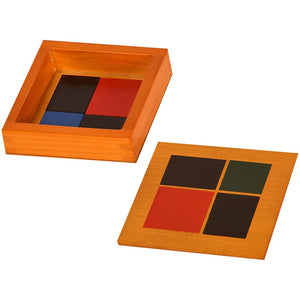
Montessori Colour Boxes are foundational sensorial materials specifically designed by Maria Montessori to help young children, typically from 2.5 years onwards, identify and discriminate colours. This works because they isolate the quality of colour, allowing the child to focus purely on visual differentiation without other distractions. Parents can present these boxes systematically, starting with primary colours and gradually introducing more shades, thereby refining their child’s visual sense and preparing them for further learning, including art and categorisation.
Bringing Colour Recognition to Life in Indian Homes
While traditional Montessori classrooms use specific colour boxes, you can easily replicate the essence of these Montessori sensorial materials using items found right in your own home. The goal is to provide purposeful activities that are engaging, hands-on, and follow the child's lead.
Exploring Primary Colours with Colour Box 1 (Ages 18 months+)
For younger toddlers, we begin with the basics: red, yellow, and blue. Think of it like sorting different coloured lentils or spices before a big family meal! Gather two identical sets of three coloured objects – one red, one yellow, one blue. These could be small blocks, pompoms, fabric swatches, or even coloured bangles if you have them. Present them by inviting your child to match the identical colours. Start by showing them one red object and asking them to find its match. This simple act of pairing builds visual discrimination and concentration, crucial for early Montessori learning activities.
Introducing More Shades with Colour Box 2 (Ages 2.5 years+)
As your child masters the primary colours, you can introduce more hues, similar to how we see a wider spectrum of colours during a festival like Holi! Colour Box 2 typically includes 11 pairs of colour tablets: red, yellow, blue, green, orange, purple, pink, brown, grey, black, and white. At home, you can create your own set using painted craft sticks, coloured paper squares, or even by collecting items of these colours. For example, a red apple, a green chilli, a yellow lemon, and so on. The activity remains the same: matching pairs. You can also introduce the names of the colours as your child matches them. This enriches their vocabulary and refines their visual sense further.
Gradations of Colour with Colour Box 3 (Ages 3 years+)
This is where the magic of subtle differences comes alive, much like appreciating the different shades of a sunset. Colour Box 3 features seven shades of each of nine colours, arranged from darkest to lightest. Recreating this at home is a fantastic educational toy for toddlers challenge. You can use paint swatches from a hardware store, or even make your own by mixing varying amounts of white paint into a primary colour. Ask your child to arrange the shades from darkest to lightest. This activity is incredibly calming and fosters an acute sense of visual discrimination and order. It’s perfect for a quiet afternoon when grandparents might be resting, allowing the child focused, independent play.
Everyday Montessori Colour Play in Indian Homes
- Kitchen Colour Sort: Involve your child in sorting fruits and vegetables by colour. "Can you find all the red tomatoes, beta?"
- Rangoli with Natural Dyes: For special occasions, use turmeric for yellow, beetroot juice for pink, or spinach paste for green to create simple, natural rangoli patterns on a tray.
- Dress-Up Fun: Talk about the colours of clothes. "Let's find your blue kurta today!"
- Nature Walks: Point out colours in your garden or local park. "Look at the green leaves, the pink hibiscus!" This promotes child development India style, connecting with local flora.
- Colour Storybooks: Read books that highlight colours, pausing to ask your child to identify them.
Remember, the key to successful Montessori at home India activities is to follow the child's interest and provide a prepared environment. Keep the materials tidy, accessible, and introduce activities one at a time. This helps your toddler build concentration and a love for learning, naturally aligning with the Montessori philosophy.
Key Takeaways for Montessori Colour Box Activities
- Montessori Colour Box activities refine visual discrimination and concentration in toddlers.
- You can recreate Colour Box activities at home using everyday items like blocks, fabric, or natural materials.
- Start with Colour Box 1 (primary colours: red, yellow, blue) for matching pairs, suitable for toddlers from 18 months.
- Progress to Colour Box 2 for more colours (green, orange, purple, etc.) for older toddlers (2.5 years+).
- Introduce Colour Box 3 for sorting gradations of a single colour from darkest to lightest, enhancing visual acuity.
- Integrate colour learning into daily routines through kitchen sorting, nature walks, and dressing up.
- Always follow the child's interest and provide a prepared, orderly environment for optimal learning.
FAQ: Montessori Colour Box Activities
What age is best for starting Montessori colour activities?
Toddlers can typically begin with simple colour matching activities, like those for Colour Box 1, around 18 months. More complex activities involving multiple colours or shades are usually introduced from 2.5 to 3 years onwards, depending on the child's individual development and interest.
Do I need to buy expensive Montessori colour boxes?
Not at all! While professional Montessori materials are beautifully crafted, you can easily replicate the learning objectives at home using items like painted craft sticks, coloured paper, fabric scraps, or even natural objects like fruits and vegetables. The key is to isolate the quality of colour for the child.
How can I make colour activities engaging for my child at home?
Focus on hands-on exploration and practical life connections. Let your child sort coloured objects, identify colours in their clothes, or find specific colours during a nature walk. Keep sessions short, fun, and always follow your child's lead, avoiding pressure to learn.
What is the benefit of these colour activities beyond just knowing colours?
Beyond simple colour recognition, these activities significantly refine a child's visual discrimination, concentration, and fine motor skills. They also lay a strong foundation for logical thinking, categorisation, and prepare the child for more advanced academic concepts like art, geometry, and language.
How do I introduce the names of colours?
Introduce colour names through a simple 'three-period lesson.' First, name the colour (e.g., "This is red"). Second, ask the child to show you the colour ("Show me red"). Third, ask the child to name the colour ("What is this?"). Always wait until the child has mastered the previous step before moving on, ensuring a joyful and unpressured learning experience.
Embracing these Montessori colour box activities at home is a wonderful journey into your child's visual and cognitive development. At SkilloToys.com, we believe in supporting every Indian parent on their Montessori path with thoughtfully curated educational toys and resources.