Montessori & Executive Function: Why Kids Score Higher
As Indian parents, we often marvel at how quickly our little ones learn and adapt, whether it's mimicking a traditional dance step during a festival or helping with small chores around a bustling joint family home. You might have also noticed that Montessori children score higher in executive function studies, often exhibiting remarkable focus, self-control, and problem-solving abilities. This isn't just a coincidence; it's a direct outcome of the thoughtfully designed Montessori approach.
So, what exactly is this 'executive function' we're talking about? Executive function is a set of mental skills that includes working memory, flexible thinking, and self-control. These are the skills that help us plan, focus attention, remember instructions, and juggle multiple tasks successfully. This works because these skills are crucial for academic success, navigating social situations, and managing daily life. Parents can foster these abilities by creating an environment that encourages independent thought and focused engagement.
The Montessori Method: A Natural Boost for the Brain
Dr. Maria Montessori observed that children, given the right environment, naturally gravitate towards purposeful activity. Her method is designed to nurture a child's innate drive, leading to profound cognitive benefits that are often reflected in higher executive function scores.
Building Focus Through Practical Life
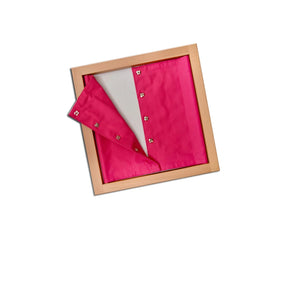
Imagine a child carefully pouring water from a small jug into a glass, or diligently sweeping a tiny spill off the floor – perhaps even helping with preparations for Diwali puja. These aren't just chores; they are Montessori Practical Life activities, cornerstone Montessori learning activities. They require sustained attention, sequencing of steps, and fine motor control. Over time, this repeated practice builds a child's capacity for concentration, an essential component of executive function. It’s a wonderful way to introduce 'educational toys for toddlers' that are both engaging and developmental.
Developing Self-Regulation and Self-Control
One of the hallmarks of a Montessori environment is the 'freedom within limits.' Children are encouraged to choose their own activities and work with them for as long as they wish, provided they respect the materials and others. This autonomy fosters self-discipline and the ability to regulate one's own impulses and actions. In a typical Indian home, where children might be exposed to various stimuli from family members, the ability to focus and choose an activity independently, perhaps even amidst a bustling family gathering, is a valuable skill that Montessori nurtures from a young age.
Enhancing Working Memory and Flexible Thinking
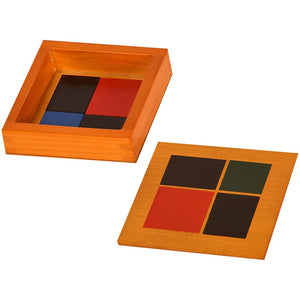
The Montessori sensorial materials are masterpieces of design, specifically crafted to refine a child's senses and cognitive abilities. The Pink Tower, for instance, requires children to grade cubes by size, building spatial awareness and order. Materials like the Broad Stair or Knobbed Cylinders demand focused attention and the ability to compare, contrast, and classify. These activities not only refine sensory perception but also enhance working memory (remembering the task at hand) and flexible thinking (adapting strategies to solve a problem). This lays a strong foundation for future 'child development India' initiatives.
Encouraging Independent Problem-Solving
Montessori materials are typically 'self-correcting,' meaning the child can easily see and correct their own mistakes without adult intervention. This empowers children to identify problems, experiment with solutions, and learn from their efforts independently. Instead of being told 'that's wrong,' a child discovers it for themselves, fostering resilience and a growth mindset. This process directly strengthens problem-solving skills, a critical aspect of executive function that serves them well, whether they're figuring out how to stack their building blocks or navigating social dynamics in a playground.
Bringing Montessori Home: Practical Tips for Indian Families
You don't need a dedicated Montessori school to nurture these skills. Incorporating aspects of Montessori at home India can make a significant difference.
- Create a Prepared Environment: Set up low shelves with accessible, engaging activities. A small mat for work, child-sized brooms, or even a tiny pitcher for pouring water can transform a corner of your living room or a small apartment balcony into a purposeful workspace. Use local, natural materials where possible for a truly Indian touch.
- Observe and Support: Instead of constantly directing, observe your child's interests and struggles. Offer help only when truly needed, allowing them to wrestle with a task and experience the satisfaction of overcoming challenges independently. Grandparents, with their natural patience and wisdom, can be wonderful allies in this observational approach.
- Respect the Child's Pace: Allow uninterrupted concentration. If your child is deeply engrossed in building a block tower or meticulously arranging their coloured beads, try not to interrupt. This 'work cycle' is vital for developing sustained focus.
- Involve Them in Daily Life: From washing fruits for the family to folding small napkins for dinner, involve children in age-appropriate household tasks. These 'practical life' activities are rich in executive function development.
Key Takeaways
- Montessori education inherently strengthens executive functions such as focus, self-control, and flexible thinking in children.
- Practical Life activities in Montessori develop concentration, sequencing, and fine motor skills.
- Montessori Sensorial materials enhance working memory, problem-solving, and critical thinking.
- The principle of 'freedom within limits' fosters crucial self-regulation and inner discipline.
- Parents can effectively apply Montessori principles at home by preparing the environment, observing their child, and involving them in daily tasks.
What exactly is executive function?
Executive function refers to a set of cognitive skills including working memory, flexible thinking, and self-control. These skills are essential for planning, focusing, problem-solving, and managing daily tasks effectively.
How do Montessori materials specifically help executive function?
Montessori materials are designed to be hands-on, self-correcting, and sequential, requiring children to concentrate, follow steps, remember instructions, and problem-solve independently. This direct engagement repeatedly exercises and strengthens executive function skills.
Can executive function skills be improved at any age?
While early childhood is a critical period for executive function development, these skills can indeed be improved throughout life. Consistent practice with activities requiring focus, planning, and self-control can enhance executive functions at any age.
Are there simple Montessori activities I can do at home for executive function?
Absolutely! Simple activities like pouring water between two small vessels, sorting dals, folding clothes, or helping prepare snacks can significantly boost executive function. Providing open-ended educational toys for toddlers that encourage imaginative play and problem-solving also helps.
Witnessing your child develop these vital life skills is incredibly rewarding. At SkilloToys.com, we are dedicated to providing high-quality Montessori-inspired learning materials that support this remarkable journey of self-discovery and advanced child development in every Indian home.