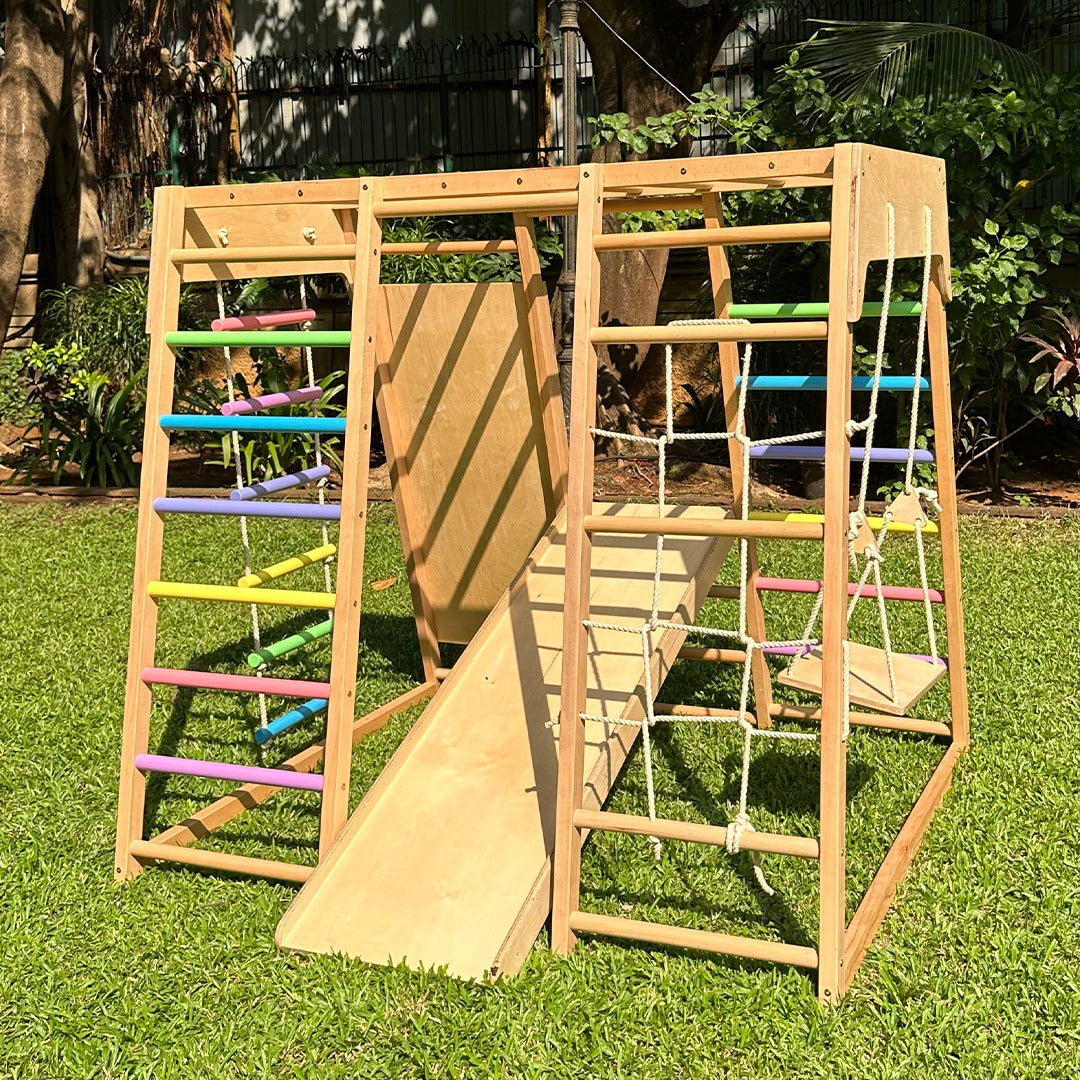
Ever wondered how to bring the magic of Montessori into your Indian home, amidst the vibrant chaos, the warmth of joint families, and perhaps, the cozy confines of an apartment? It’s a question many parents in India ponder as they seek enriching environments for their little ones. Creating a thoughtful Montessori home environment isn't about perfectly replicating a classroom; it's about nurturing your child's innate drive to learn and explore, right where they live.
A "prepared environment" in Montessori philosophy is more than just a tidy room. It's a space intentionally designed to support a child's natural development and independence. This works because children, especially between 0-6 years, absorb everything around them. By carefully curating their surroundings, parents can provide accessible, engaging, and purposeful activities that empower their child to choose, work, and learn autonomously.
Crafting a Montessori Home for Indian Families
Maria Montessori believed children thrive with freedom within a tailored environment. For Indian families, this means practical steps honouring our unique culture. The goal is cultivating a space where your child feels capable, respected, and eager to engage, building concentration and self-confidence.
Order, Accessibility & Independence
Establishing order is crucial. Designate specific, low-level shelves for your child’s belongings, including Montessori method learning materials, clothes, and even their plate. This accessibility teaches responsibility and promotes early decision-making. Offer a limited selection of high-quality, age-appropriate wooden toys and activities that encourage focus, building intrinsic motivation vital for child development in India.
Integrating Culture, Nature & Simplicity
Weave India's rich heritage into your child's environment. Display local art at their eye level, nurture a small plant, or offer natural materials like pebbles. Involve them in simple festival preparations for Diwali or Holi, connecting them to their roots. Remember, less is truly more; a clutter-free space is calming, aids concentration, and supports Montessori learning activities by preventing overstimulation.
Montessori in Indian Family Dynamics
Smart Solutions for Small Spaces & Joint Families
Small apartments are common, requiring creative solutions. Utilise vertical space with low, sturdy shelving. A dedicated "work rug" can define a learning area, easily rolled up when not in use. A low table or a window corner can become a "discovery spot." Involving grandparents is also beneficial; explain how choice empowers the child or why accessible shelves aid independence. Grandparents often share traditional skills and local knowledge, beautifully complementing Montessori's emphasis on culture and practical life materials.
Festivals and Traditions: Enriching the Environment
Indian festivals offer wonderful Montessori-inspired learning. Involve your child in simple preparations: sorting lentils, arranging flowers, or making dough shapes. These teach fine motor skills, concentration, and cultural connection. During Navratri, helping arrange Golu dolls at their level teaches order and sequence, enriching sensory experiences.
Preparing your home the Montessori way for Indian families is an ongoing journey of observation, adaptation, and love. It’s about creating a nurturing space that respects your child as an individual, allowing them to flourish in their unique Indian context.
Key Takeaways for Your Montessori Home
- Child-Centric Design: Adapt your home environment to your child's size and developmental stage, fostering independence.
- Order and Accessibility: Use low shelving and clear spots for materials to promote self-help and internal order.
- Curated Choices: Offer a limited selection of purposeful activities and educational toys for toddlers to encourage focus.
- Integrate Indian Culture: Weave in local art, natural elements, and involve children in cultural traditions and festival preparations.
- Maximise Small Spaces: Employ vertical storage and define "work zones" to create learning opportunities in compact homes.
- Collaborate with Family: Engage grandparents and other family members to support the Montessori approach, fostering a cohesive environment.
Frequently Asked Questions About Montessori Homes in India
How can I create a Montessori space in a small Indian apartment?
Focus on vertical storage with low, open shelves for accessibility. Use a dedicated rug to define a child's "work area" that can be rolled away. Prioritise multi-functional furniture and ensure items are rotated regularly to prevent clutter and keep activities fresh.
What if my joint family members don't understand Montessori principles?
Start with gentle explanations and demonstrate the positive outcomes, like your child's growing independence or improved concentration. Involve them in simple activities, explaining the "why" behind practices, and focus on common goals like respect for the child.
Are Montessori materials too expensive for Indian families?
Not at all! Many Montessori-inspired items can be created using local, affordable materials like small brooms, cloths for practical life activities, or natural elements for sensory play. Focus on purpose over price, choosing durable, open-ended items that support learning and child development.
How do I choose age-appropriate Montessori activities for my child?
Observe your child's interests and developmental milestones. For toddlers, activities involving pouring, spooning, or simple puzzles are ideal. As they grow, introduce more complex tasks or Montessori learning activities involving language and mathematics.
Embracing the Montessori way in your Indian home is a beautiful journey of discovering your child's potential. With intentional design and understanding, you can create a nurturing space that truly supports their growth and independence, rooted in the rich tapestry of Indian life. Explore our curated selection at SkilloToys.com for perfect additions to your child's prepared environment.