Montessori Home Environment for Indian Families
Bringing the magic of Montessori into your home can feel like a wonderful journey, especially when you're an Indian parent navigating unique family dynamics and living spaces. Many of us want to provide the best for our little ones, fostering independence and a love for learning from an early age. The good news is, preparing a Montessori home environment India is entirely achievable, no matter if you live in a sprawling bungalow or a cozy apartment.
So, what exactly is a Montessori home environment? It is a thoughtfully prepared space designed to support a child's natural development and independence. This environment works because it is rooted in observing children's inherent curiosity and their desire to learn through doing. Parents can create such a space by making their home accessible, orderly, and stimulating, allowing their child the freedom to explore and master skills at their own pace.
Adapting Montessori for the Indian Home
Our homes often buzz with activity, especially in joint families where multiple generations live together. Embracing Montessori here means finding a balance between child-centered spaces and shared family life. It’s about integrating the principles into your existing setup rather than overhauling everything.
One key aspect is creating a dedicated 'child's corner' or a 'yes space' where your little one can freely explore. This area should be safe, easily accessible, and filled with age-appropriate materials. Even a small nook in the living room or bedroom can transform into a wonderful learning zone.
Order and Accessibility: The Cornerstones
A fundamental Montessori principle is order, which brings a sense of security and predictability for a child. This doesn't mean a sterile, silent space, but rather a place where everything has its designated spot. Low shelves, often found in traditional Indian homes, are perfect for displaying toys and materials at a child's eye level.
Accessibility is crucial. Children should be able to reach their own wooden toys and learning materials independently. Consider open shelving instead of closed cupboards. This allows children to see their choices and fosters decision-making from a young age, promoting significant child development India.
Practical Life Skills: Everyday Learning
Indian households are vibrant hubs of daily activity, offering countless opportunities for practical life activities. Involve your child in everyday chores like watering plants, setting the dining table (even if it's just their mat and spoon), or sorting vegetables for dinner. These are not just chores; they are foundational Montessori learning activities.
Provide child-sized tools where possible – a small broom, a tiny cloth for wiping spills, or a miniature rolling pin for chapati making during festival preparations. Such practical life Montessori materials empower children and build their confidence, sense of contribution, and fine motor skills.
Sensory Exploration and Natural Materials
Montessori emphasizes learning through the senses. Our rich Indian culture offers a plethora of natural, sensory-rich materials. Think beyond plastic! Incorporate elements like small brass bowls, clay pots, jute mats, and traditional wooden puzzles. These materials provide diverse textures, weights, and sounds that engage a child's curiosity.
During festivals like Diwali or Holi, involve children in preparations using natural elements – decorating with flowers, making rangoli with coloured sand, or preparing simple sweets. These experiences are invaluable for sensory development and cultural connection.
Nurturing Independence in a Collective Setting
In joint families, grandparents and other relatives often play a significant role. It’s a beautiful cultural aspect that enriches a child's life. Introduce the concept of a 'prepared environment' to family members, explaining how it supports the child's autonomy. Encourage them to let the child try things independently, even if it takes a little longer.
For example, instead of always feeding a toddler, encourage them to use their own spoon. Offer child-friendly options for self-care, like a low stool to reach the wash basin or clothes within their reach. This gradual shift fosters self-reliance without isolating the child from the warmth of family support.
Choosing Educational Toys for Toddlers
When selecting materials for your Montessori home, focus on quality over quantity. Choose educational toys for toddlers that are purposeful, engaging, and made from natural materials. Montessori materials are often self-correcting, allowing children to identify and fix their own mistakes, leading to a deeper understanding.
Think about materials that encourage concentration, problem-solving, and fine motor skills, like puzzles, stackers, beads for stringing, or simple sorting trays. Rotate toys periodically to maintain interest and prevent overstimulation, a particularly useful strategy in smaller spaces.
Key Takeaways for Your Montessori Home
- Create a 'Yes Space': Designate a safe, accessible area where your child can explore freely and independently.
- Embrace Order: Organise toys and materials on low, open shelves so everything has a place and is visible to the child.
- Integrate Practical Life: Involve children in daily household tasks using child-sized tools, fostering independence and skill development.
- Choose Natural Materials: Prioritise materials like wood, metal, and natural fabrics for rich sensory experiences.
- Foster Independence: Encourage self-care and self-directed play, even within a supportive joint family structure.
- Select Purposeful Materials: Opt for educational toys that promote concentration, problem-solving, and fine motor skills.
Frequently Asked Questions About Montessori at Home
How can I make my small Indian apartment Montessori-friendly?
In small apartments, focus on vertical space with low, open shelves and decluttering. Create a dedicated 'child's corner' that can be packed away if needed. Rotate materials regularly to keep the space fresh and engaging without being cluttered.
How do I involve grandparents in the Montessori approach?
Gently explain the 'why' behind Montessori – how it empowers children and builds confidence. Invite them to observe your child's independent play. Suggest specific activities they can do together, like gardening or simple cooking tasks, rather than just passively entertaining.
What are essential Montessori materials for a 0-3 year old?
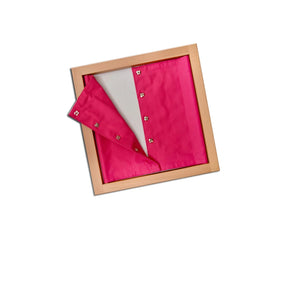
For this age, focus on sensory exploration and practical life. Think about mobiles, rattles, wooden stackers, shape sorters, and materials for pouring or scooping. Child-sized brooms, small pitchers, and dressing frames are also excellent for fostering early independence.
Is Montessori only for privileged families in India?
Absolutely not. The core of Montessori is about observation, respect for the child, and providing a prepared environment. Many principles, like involving children in daily tasks and using natural materials, are cost-effective and culturally ingrained in many Indian households, making it accessible to all.
Creating a Montessori home environment is a journey of observation, adaptation, and immense joy. By integrating these principles into your Indian home, you're not just setting up a space, but nurturing a curious, independent, and capable child. For a wide range of authentic learning aids, explore SkilloToys' comprehensive collection and find the perfect tools to support your child's growth.