Montessori Homeschooling: Tracking Progress Without Tests
As Indian parents embracing Montessori at home, one question often comes up: “How do I know my child is actually learning and progressing without the usual report cards and exams?” It’s a valid concern, especially when our own schooling experiences were so different. The beauty of Montessori, however, lies in its holistic approach to child development, where the focus shifts from competitive testing to individual growth. This blog post will guide you on how to track progress without tests the Montessori way, empowering you to truly see your child flourish.
Montessori progress tracking is not about assigning grades or comparing children; it’s about observing your child’s intrinsic motivation, concentration, and mastery of concepts. This works because the Montessori method believes in the child’s innate drive to learn and perfect skills, with self-correcting materials providing immediate feedback. Parents can, therefore, become skilled observers, documenting their child’s journey of discovery and independence.
Understanding Montessori Progress: Beyond Grades and Ranks
In a traditional setup, progress is often measured by what a child can recall or perform under pressure. Montessori, pioneered by Dr. Maria Montessori, offers a refreshing alternative. Here, progress is seen in a child’s sustained engagement with an activity, their growing independence, and their ability to self-correct and problem-solve. It's less about a 'right' or 'wrong' answer, and more about the process of learning and the joy of discovery.
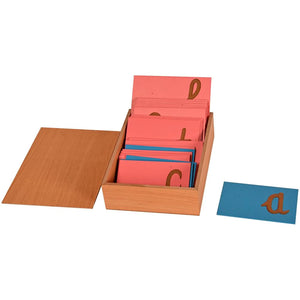
For children aged 0-6 years, this means observing their fine motor skills developing as they use practical life tools, their concentration deepening with the Pink Tower, or their understanding of language through the Montessori language materials like the Sandpaper Letters. It's a journey of quiet observation, much like how a gardener watches a sapling grow, providing the right environment and nourishment without constantly pulling it up to check its roots.
The Art of Observation: Your Superpower as a Montessori Parent
Your keen observation is the most powerful tool for tracking progress in a Montessori homeschooling environment in India. It doesn't require special equipment, just your focused attention and an understanding of what to look for.
Watching for Engagement and Concentration
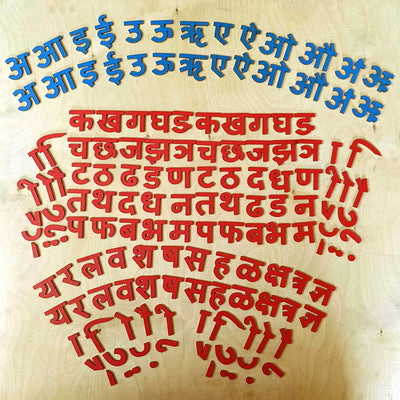
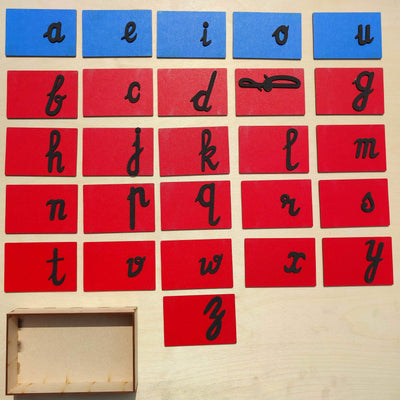
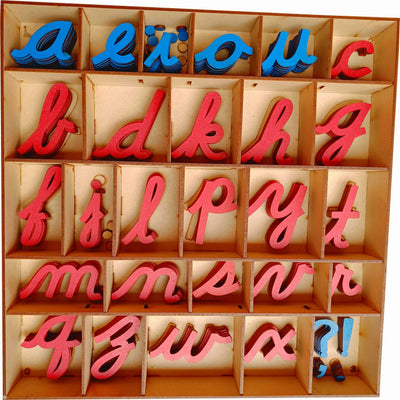
How long does your child stay with a particular activity? Do they return to it repeatedly? Deep concentration, known as 'normalisation' in Montessori, is a key indicator of genuine learning and engagement. For example, a toddler meticulously transferring lentils from one bowl to another, or a preschooler working intently with the Movable Alphabet to form words, shows significant intellectual and emotional progress.
Noting Independence and Self-Correction
One of the hallmarks of Montessori is the self-correcting nature of the materials. When a child using the Red Rods or Knobbed Cylinders can identify and fix their own error without adult intervention, that’s a huge developmental leap. Similarly, their increasing ability to dress themselves, help with household chores (like sorting clothes for laundry or setting the dining table), or choose their own activity demonstrates growing independence – a crucial aspect of Montessori learning activities.
Tracking Mastery and Repetition
Children in the 0-6 age range often repeat activities until they achieve mastery. Observing this repetition – whether it’s tracing Sandpaper Letters countless times, or diligently polishing a brass pooja thali – reveals not just skill development but also deep internal satisfaction. Once a skill is mastered, the child often moves on to more complex variations or entirely new challenges, indicating readiness for the next developmental step.
Documenting Developmental Milestones, Indian Style
Connect your observations to typical child development India milestones. Is your child showing increased vocabulary after engaging with storytelling? Are their fine motor skills improving as they help you thread beads for a festive garland or roll out dough for rotis? In many Indian homes, with the presence of grandparents or joint families, there are many opportunities for natural, everyday learning and observation. Even a small apartment balcony can be a space for a practical life activity like watering plants, offering chances to observe care and responsibility.
Practical Tools for Home-Based Progress Tracking
You don't need fancy software to track your child's Montessori progress. Simple, accessible methods work best.
Observation Journals: Your Personal Logbook
Keep a simple notebook handy. Jot down dates, activities your child chose, how long they stayed engaged, specific actions they took (e.g., "Sita worked with the cylinder blocks for 15 minutes, correcting her own errors twice"), and any new words or skills they displayed. Focus on factual, positive observations – what they can do, rather than what they haven't mastered yet. This helps build a rich picture of their evolving capabilities.
Photo and Video Diaries: Capturing the Journey
In our tech-savvy Indian homes, smartphones are ubiquitous. Snap quick photos or short videos of your child engaged with their educational toys for toddlers or daily activities. These visual records are invaluable for looking back and seeing tangible progress, from their initial hesitant attempts to confident execution. They are also wonderful to share with family members, explaining the Montessori journey visually.
Work Samples and Portfolios: A Tangible Record
Keep a folder of your child’s work. This could include drawings, early writing attempts with the Movable Alphabet, or even photos of completed practical life cycles (like a perfectly folded sari or neatly arranged spice box). These work samples provide concrete evidence of skills learned and concepts understood, offering a tangible portfolio of their unique learning path.
Key Takeaways
- Montessori progress tracking focuses on observation, not traditional tests or grades.
- Look for sustained engagement, concentration, and independence as key indicators of learning.
- Self-correction is a powerful sign of a child’s mastery and problem-solving skills.
- Document progress through observation journals, photo/video diaries, and work samples.
- Connect observations to developmental milestones and everyday Indian contexts.
- Your role is to be a supportive guide, providing a rich environment and trusting your child's inner drive.
FAQ
How often should I observe my child's progress?
Daily, even for short periods, is ideal. Consistent, brief observations are more effective than infrequent, long ones. You'll naturally start noticing patterns and breakthroughs without it feeling like a chore.
What if my child isn't interested in a particular Montessori material?
It's perfectly normal. Children have different interests and developmental timelines. Simply present the material again later, or offer a related activity. Forcing interest can hinder intrinsic motivation, which is key in Montessori at home India.
Is Montessori progress tracking relevant for academic subjects like reading or math?
Absolutely. For reading, you'd observe their increasing ability to identify sounds, build words with the Movable Alphabet, and eventually read sentences. For math, it's about their understanding of quantity, sequence, and problem-solving with concrete materials like the Golden Beads, not just memorisation.
How do I explain this non-testing approach to my relatives in India?
Focus on the positive outcomes: your child’s independence, concentration, problem-solving skills, and joy in learning. Show them examples from your observation journal or photos. Explain that Montessori focuses on holistic development rather than just rote learning or comparison.
Embracing the Montessori way of tracking progress allows you to truly see and celebrate your child's unique journey. It’s a journey of trust, observation, and deep respect for the child. At SkilloToys.com, we are committed to supporting your homeschooling efforts with high-quality Montessori educational toys that encourage this beautiful, natural learning process.