Montessori Kids Excel in Executive Function: Here's Why
In our bustling Indian homes, where often three generations live under one roof, we cherish our children's growth and learning. As parents, we constantly seek ways to give them the best start, wondering how to foster not just academic smarts, but also practical skills for life. Have you ever noticed how some children seem to navigate challenges with surprising calm and focus? Research consistently shows that Montessori children score higher in executive function studies, demonstrating a clear advantage in vital cognitive skills that shape future success.
So, what exactly is executive function, and why is it so important for your little one? Executive function is like the 'air traffic controller' of the brain, a set of mental skills that help us manage our thoughts, actions, and emotions to achieve goals. It includes working memory (holding information in mind), flexible thinking (adapting to new situations), and self-control (resisting impulses and staying focused). This works because strong executive function skills are foundational for problem-solving, planning, and emotional regulation, making children more resilient and capable learners. Parents can actively support this development by offering opportunities for independent choice and engaging activities.
The Montessori Approach to Building Executive Function
The Montessori method, established by Dr. Maria Montessori, isn't just about pretty wooden toys; it's a profound philosophy that intrinsically nurtures these very executive function skills from a young age. It’s about respecting the child as an individual, giving them the freedom to explore and learn at their own pace within a carefully prepared environment. Imagine your child, even in a small Mumbai apartment, engaging deeply with materials that invite focus and logical progression. These foundational principles are why Montessori environments are so effective in cultivating capable, independent learners, using specially designed Montessori method learning materials that intrinsically support brain development.
Nurturing Concentration and Focus
One of the most remarkable aspects of a Montessori environment is the profound concentration children develop. Dr. Maria Montessori observed that children have an 'absorbent mind,' soaking up information from their surroundings. By allowing uninterrupted work cycles – children choosing an activity and engaging with it for as long as they wish – their capacity for sustained attention blossoms. This 'freedom within limits' means fewer distractions and more deep engagement, much like how our children learn patience and focus by watching their Dadi or Nani meticulously prepare ingredients for a festival meal.
Developing Self-Control and Discipline
Self-control, a cornerstone of executive function, isn't imposed in Montessori; it's cultivated from within. Children learn to make choices, understand natural consequences, and practise 'grace and courtesy' – lessons in polite social interactions. Through Practical Life activities, they learn to pour water without spilling, dress themselves, or carefully carry a tray, all of which require precise movements and self-regulation. These daily actions build internal discipline, teaching them to wait their turn patiently, much like sharing toys with a group of cousins during a family gathering or waiting for their share of 'prasad' at the temple.
Enhancing Working Memory and Flexible Thinking
Montessori materials are ingeniously designed to build working memory and flexible thinking. Consider the Montessori sensorial materials like the Pink Tower or the Red Rods. Children don't just stack them; they sequence them, notice patterns, and correct their own mistakes. This hands-on, self-correcting process requires remembering previous steps and adapting their approach, fostering problem-solving skills. Similarly, with the Movable Alphabet or Sandpaper Letters, children manipulate individual elements to form words, engaging working memory and developing a flexible understanding of language construction, much like an elder teaches a child to sort vegetables by colour and size for the weekly market run.
Practical Tips for Indian Homes: Montessori at Home India
You don't need a full Montessori classroom to foster these vital executive function skills in your child. Many principles can be beautifully woven into the fabric of your everyday life, even in the cosiest of Indian homes. Embracing Montessori at home India is about creating an environment that respects your child's innate drive to learn and grow.
Creating a Prepared Environment
A 'prepared environment' simply means making your home child-friendly and accessible. This could involve designating a small, uncluttered corner for your child's activities, with low shelves for their educational toys for toddlers and books. Ensure materials are tidy and complete, inviting your child to choose independently. Even a small space can become a world of discovery when thoughtfully arranged, much like how our grandparents often had a special box of simple, engaging objects for children to explore.
Embracing Practical Life Activities
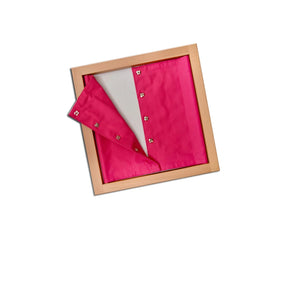
Involve your child in daily household tasks! From helping you fold clothes, to watering plants on the balcony, or even sifting flour for rotis, these are invaluable Montessori learning activities. These tasks are not just about helping; they build concentration, fine motor skills, and a sense of contribution and responsibility, which are all vital for executive function. Imagine the joy and pride in a child who helps set the puja thali or serves water to guests.
Observation Over Intervention
Perhaps the most powerful tool for parents is observation. Instead of constantly correcting or directing, take a step back and watch what your child is drawn to, how they interact with their environment, and where they encounter challenges. Offer help only when truly needed, trusting their intrinsic motivation. This patient approach fosters independence and problem-solving, allowing their executive function to strengthen naturally. It's the gentle guidance we often see from a wise elder, allowing the child to figure things out for themselves, truly supporting their child development India.
Key Takeaways for Fostering Executive Function:
- Montessori children consistently demonstrate higher executive function skills, including working memory, flexible thinking, and self-control.
- The Montessori method cultivates concentration through uninterrupted work cycles and self-directed learning.
- Internal discipline and self-regulation are fostered through practical life activities and freedom within limits.
- Montessori sensorial and language materials are specifically designed to enhance problem-solving, memory, and adaptive thinking.
- Parents can implement Montessori principles at home by creating a prepared environment and involving children in practical life tasks.
- Observation and trusting the child's natural learning process are crucial for supporting their cognitive development.
Frequently Asked Questions
What exactly is executive function in children?
Executive function refers to a set of cognitive skills crucial for goal-directed behaviour, including working memory, flexible thinking, and self-control. These skills enable children to plan, focus attention, remember instructions, and juggle multiple tasks successfully.
How does the Montessori approach specifically help improve these skills?
Montessori environments are designed with child-led activities, uninterrupted work periods, and self-correcting materials. This approach allows children to develop concentration, make choices, and learn from natural consequences, all of which directly strengthen executive function.
Can I apply Montessori principles at home to boost my child's executive function?
Absolutely! Creating a 'prepared environment' with accessible, age-appropriate materials and involving your child in practical life activities like cooking or cleaning are excellent ways. Encourage independent problem-solving and observe rather than constantly intervening.
What age is best to start focusing on executive function development?
Executive function skills begin developing in infancy and continue maturing through adolescence. The early years (0-6) are a critical window, as the brain is rapidly forming connections. Introducing Montessori principles during this period can have a profound impact.
Are specific Montessori materials important for this development?
While the philosophy is key, materials like the Pink Tower, Red Rods, and Practical Life sets are intentionally designed to develop specific cognitive skills. They encourage sequencing, problem-solving, and fine motor control, all contributing to executive function. You can find many such items, including Montessori method learning materials, that fit your home environment.
Nurturing your child's executive function is one of the greatest gifts you can give them for a lifetime of learning and success. At SkilloToys.com, we are dedicated to supporting your journey by providing high-quality, authentic Montessori educational toys that align with these powerful principles, helping your little ones flourish right here in India.