Montessori Language Arts for Preschoolers at Home
There's a special joy in hearing your little one articulate their first words, then string sentences together, and eventually, begin to read their favourite storybook. For many Indian parents, fostering this linguistic journey at home is a cherished goal. If you're exploring the wonders of Montessori at home India and curious about nurturing your child's communication skills, then diving into the Montessori language arts curriculum for preschoolers at home is a fantastic step.
So, what exactly is the Montessori approach to language arts? At its heart, a Montessori language arts curriculum is a holistic method that respects a child's natural drive to communicate and understand their world. This curriculum is not about rote memorisation; instead, it's a carefully sequenced journey that builds from rich oral language to phonetic awareness, reading, and finally, expressive writing. This works because it follows the child's developmental readiness, moving from concrete experiences to abstract understanding. Parents can gently guide their child through these stages by providing a prepared environment and engaging materials.
Building Blocks of Language: The Montessori Approach in Your Indian Home
In an Indian household, whether it's a bustling joint family or a cozy apartment in Bengaluru, the environment is often rich with diverse languages and stories. The Montessori philosophy encourages us to harness this richness. The "prepared environment" simply means creating a space where your child can independently explore language without unnecessary obstacles. This could be a low bookshelf with their favourite storybooks or a small mat for working with materials.
Oral Language Development: The Foundation
Before a child picks up a pencil or recognises a letter, their ears and minds are soaking up every sound, every word spoken around them. This is the crucial stage of oral language development. Engage your child in meaningful conversations throughout the day – describe what you're cooking, narrate your trip to the local kirana store, or discuss the colours of the flowers in the garden. Storytelling, a cherished tradition in Indian homes, is incredibly powerful here. Encourage Dadi or Nani to share tales from their childhood, expanding your child's vocabulary and imagination.
Reading aloud is another cornerstone. Choose books that reflect Indian culture and festivals, alongside global stories. Point to pictures, ask open-ended questions, and encourage your child to retell parts of the story in their own words. These simple, everyday interactions are foundational for all future literacy skills, laying the groundwork for how a child will later engage with Montessori learning activities.
From Sounds to Symbols: Early Reading Skills
Once a strong oral language foundation is established, children naturally become curious about written symbols. The Montessori method introduces reading not by memorising sight words, but by understanding the sounds that make up words – a phonetic approach. This empowers children to decode any word they encounter, rather than relying solely on memory.
The Magic of Sandpaper Letters
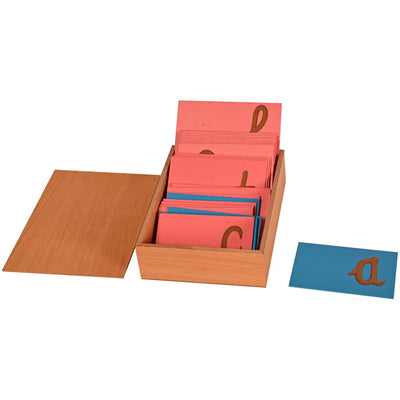
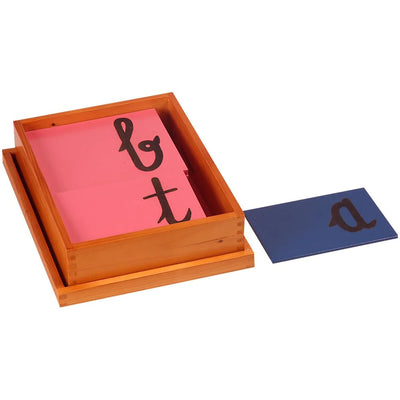
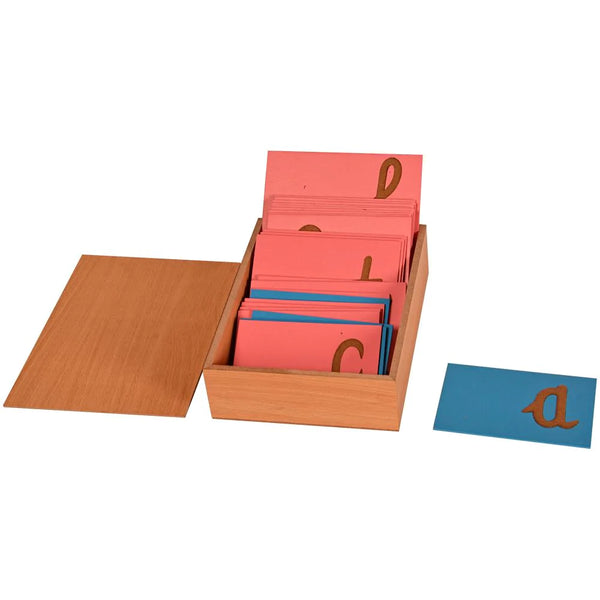
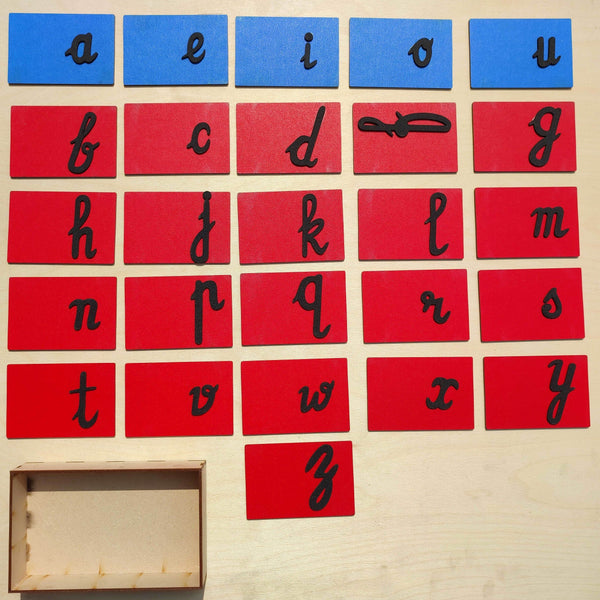
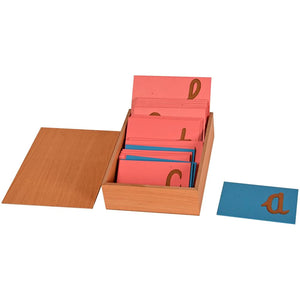
One of the most iconic and effective Montessori materials for early reading are the sandpaper letters. These tactile letters allow children to trace the shape of a letter while simultaneously hearing its phonetic sound. For example, your child traces the 'm' while you clearly say "mmm". This multi-sensory experience – seeing, touching, and hearing – creates strong neural pathways, making the connection between sound and symbol incredibly potent. You can play "I-Spy" games focusing on initial sounds, like "I spy with my little eye something that starts with 'b' (buh-buh-ball)!".
Moving Towards Word Building: The Movable Alphabet
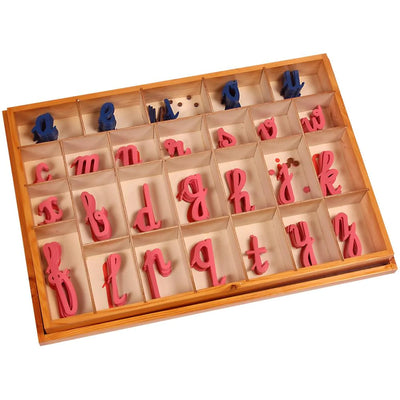
After mastering individual letter sounds, children are eager to combine them into words. However, their fine motor skills might not yet be ready for writing. This is where the Movable Alphabet comes in. It consists of small, individual wooden or plastic letters that children can arrange to form words. This allows them to "write" words before they can physically hold a pencil and form letters. It's a joyful discovery for them to compose words like "mumma," "appa," or "dosa," solidifying their understanding of phonetics. You can find these invaluable tools within Montessori language materials designed for this stage.
The Journey to Writing: From Tracing to Expression
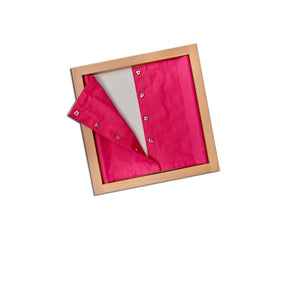
Writing in Montessori flows naturally from reading. Children first develop the indirect preparation for writing through practical life activities that strengthen fine motor skills and hand-eye coordination – like pouring lentils, buttoning clothes, or drawing patterns. Tracing the sandpaper letters also prepares their hand for forming letters. Once they've mastered the movable alphabet and have strong fine motor control, formal writing emerges almost effortlessly.
Encourage early scribbling and drawing, seeing it as their first form of written expression. Provide quality, child-friendly writing tools and paper. Remember, the goal is not perfect penmanship from the start, but rather the joy of communicating ideas through written words. As they progress, they'll naturally want to write notes for grandparents or label their favourite educational toys for toddlers.
Nurturing Language Development at Home
Implementing a Montessori language arts curriculum at home is about observation, patience, and providing the right tools at the right time. Look for signs of readiness: does your child show interest in letters? Do they enjoy sound games? Follow their lead. Remember, every child's developmental pace is unique, and that's perfectly okay. Focus on creating a joyful, language-rich environment. High-quality Montessori learning activities and materials are designed to support this natural progression, making the journey of language discovery an exciting adventure for your little one.
By embracing these principles, you're not just teaching letters and sounds; you're cultivating a lifelong love for language and communication. Explore the wide range of authentic Montessori language materials and Montessori educational toys at SkilloToys.com to support your child's linguistic journey at home, right here in India.