Montessori Morning Rhythm for Indian Homeschoolers
Imagine the gentle dawn in an Indian home – perhaps the aroma of filter coffee brewing, the faint sound of bhajans, or the bustling preparations for a new day. Amidst this vibrant backdrop, many Indian parents are exploring Montessori homeschooling, seeking to create an environment that nurtures their child's natural curiosity and independence. A well-structured morning rhythm and routine for Montessori homeschoolers in India can transform these early hours into a period of peace, productivity, and joyful learning.
So, what exactly defines a Montessori morning rhythm? It's not a rigid, minute-by-minute schedule, but rather a predictable flow of activities that provides a child with a sense of security and control. This works because children thrive on consistency; knowing what comes next reduces anxiety and allows them to focus their energy on learning and exploration. Parents can establish this by creating consistent blocks of time for certain types of activities, allowing flexibility within those blocks.
Why a Morning Rhythm Matters for Young Children
For children aged 0-6 years, the world is a fascinating, yet sometimes overwhelming, place. A consistent morning rhythm acts as an anchor, offering the security and predictability they need to confidently explore. Maria Montessori herself observed that children flourish when they have a sense of order in their environment, which in turn fosters concentration and self-discipline.
In the unique context of an Indian home, where joint families, festivals, and unexpected guests are common, a flexible rhythm becomes even more valuable. It helps children understand the flow of their day, even amidst the wonderful chaos, reducing meltdowns and encouraging cooperation. This foundation supports their overall child development India parents often prioritise.
Crafting Your Montessori Morning Routine: A Step-by-Step Guide
Step 1: Observe Your Child's Natural Flow
The first step in building an effective Montessori morning rhythm is to observe your child. When do they naturally wake up? When are they most alert and receptive to learning? Instead of imposing an arbitrary schedule, align your routine with their innate biological clock. Perhaps they're naturally early risers, eager to engage with their surroundings as soon as they're up.
Step 2: Start with Practical Life Activities
Once awake, encourage independence through practical life activities. These are foundational to Montessori education and build crucial life skills. Simple tasks like making their own small bed or mat, dressing themselves, helping to set the breakfast table, or pouring their own glass of water empower children and refine their motor skills. For younger children, having a designated space for these tasks, perhaps with child-sized tools, can be incredibly empowering. Explore our collection of practical life Montessori materials at SkilloToys.com to find perfect additions for your home.
Step 3: The Uninterrupted Work Cycle (Montessori Work Period)
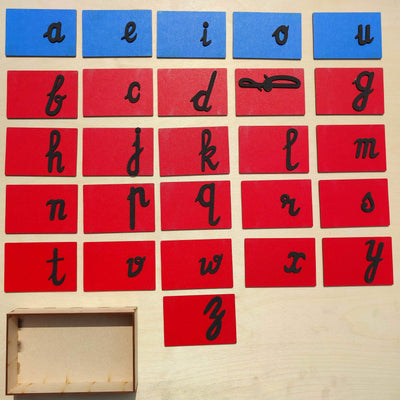
Following practical life, transition into the heart of the Montessori morning: the uninterrupted work cycle. This is a period of 1.5 to 2 hours where the child chooses their own activity from a prepared environment and works without interruption. It's a time for deep concentration, problem-solving, and self-correction. Children might engage with sandpaper letters, the pink tower, or puzzles.
A prepared environment is key, offering accessible, engaging materials. Our selection of Montessori materials and educational toys for toddlers can provide a rich array of options for this vital work period, encouraging deep concentration. This independent exploration is where true Montessori learning activities unfold, allowing children to follow their intrinsic motivation.
Step 4: Incorporate Movement and Outdoor Time
After a period of focused work, children benefit immensely from movement. This could be free play in a safe indoor space, a short walk in a local park, or even some simple yoga poses. In smaller Indian apartments, creative indoor games or a visit to a nearby terrace garden can provide essential physical activity, crucial for holistic child development.
Step 5: Connection and Culture
Wind down the morning with activities that foster connection and celebrate culture. This might include reading stories together, listening to music, or engaging in a simple art project. In an Indian home, this is a wonderful opportunity to introduce regional folk tales, traditional art forms, or even participate in small, family-centric rituals, enriching their understanding of their heritage.
Tips for Success in an Indian Home Setting
- Embrace Flexibility: Indian life often comes with beautiful, spontaneous moments – unexpected guests, festival preparations, or sudden travel plans. Your rhythm should be a guide, not a dictator. Be ready to adapt without guilt.
- Involve the Joint Family: Grandparents, aunts, and uncles can be wonderful partners in your homeschooling journey. Educate them gently about Montessori principles, encouraging them to support your child's independence. Perhaps Dadi can teach a practical life skill like making roti dough!
- Utilise Local Materials: You don't need to import everything. Beautiful local fabrics, natural materials like pebbles or shells, and traditional crafts can serve as wonderful, culturally rich Montessori materials for sensory and practical life activities.
- Optimise Small Spaces: Many Indian homes are compact. Use vertical storage, rotating toys and materials to keep the environment fresh and uncluttered. A dedicated 'work mat' can define a child's workspace even in a shared room.
- Focus on Preparedness, Not Perfection: A Montessori at home India setup doesn't need to be flawless. A prepared mind and a loving, respectful approach are far more important than a perfectly curated environment.
Key Takeaways for Your Montessori Morning
- A morning rhythm provides predictable structure, fostering security and independence, rather than rigid scheduling.
- Begin by observing your child's natural waking and energy patterns to create an aligned routine.
- Prioritise practical life activities to build essential skills and a sense of contribution from the start.
- Dedicate time for an uninterrupted Montessori work cycle, allowing child-led exploration with engaging materials.
- Integrate ample movement, outdoor play, and cultural connection into the morning's flow.
- Embrace flexibility, involve family members, and leverage local resources to adapt Montessori principles to your Indian home.
FAQ: Common Questions from Indian Montessori Homeschoolers
What is the ideal wake-up time for a Montessori morning?
There's no single ideal time; it's best determined by observing your child's natural sleep-wake cycle. A Montessori approach respects their individual rhythm, so focus on a consistent wake-up time that aligns with their body clock, rather than an arbitrary clock time.
How long should a Montessori work cycle be for a toddler?
For toddlers (1-3 years), a work cycle might be shorter, perhaps 30 minutes to an hour initially, gradually extending as their concentration develops. For preschoolers (3-6 years), it can often extend to 1.5-2 hours, allowing for deep engagement with chosen activities.
Can I adapt Montessori principles in a small apartment?
Absolutely! Montessori is about philosophy, not space. Focus on creating a 'prepared environment' by decluttering, making materials accessible, and rotating activities. Vertical storage and designated work mats can make even small spaces highly effective for Montessori learning.
How do I handle disruptions to our morning routine during festivals?
Festivals are a wonderful part of Indian culture. Embrace them! View disruptions as opportunities for different learning. You can involve children in preparations, cultural activities, and simply be flexible, explaining that routines adapt for special occasions. Re-establish the rhythm gently afterwards.
What are good "Montessori at home India" activities?
Think local! Practical life activities like helping prepare traditional meals, sweeping with a small jhadu, or arranging flowers from the garden are perfect. For sensorial work, use local spices, fabrics, or natural elements like sand and water. Storytelling traditional Indian tales also enriches language and culture.
Creating a beautiful morning rhythm is a journey of observation, love, and consistency. It’s about building a foundation for lifelong learning and independence, tailored to the vibrant tapestry of your Indian home. For all your Montessori homeschooling needs, from practical life tools to engaging educational toys, explore the curated collections at SkilloToys.com – your partner in nurturing young minds.