Montessori Zoology & Animal Lessons for Homeschoolers
Our little ones, right from their toddler years, possess an innate fascination with the world around them. The chirping sparrow on the balcony, the ant marching across the kitchen floor, or the wagging tail of a neighbourhood dog – animals captivate their attention and spark countless questions. This natural curiosity provides a beautiful foundation for introducing zoology and animal lessons for Montessori homeschoolers, right here in our Indian homes.
Montessori zoology is more than just naming animals; it's a comprehensive approach to understanding the animal kingdom through observation, classification, and hands-on exploration. This works because it respects the child's developmental stages, allowing them to construct knowledge at their own pace and fostering a deep sense of respect for all living things. Parents practising Montessori at home India can integrate zoology lessons through everyday experiences and carefully chosen materials, making learning a joyful discovery.
Why Montessori Zoology Matters for Young Children
Engaging with zoology from a young age significantly contributes to a child's holistic development. It cultivates keen observation skills as they notice the differences between a cat and a dog, or a fish and a bird. It also introduces the fundamental concept of classification, helping children organise information and make sense of their world. Beyond academics, these lessons nurture empathy, a sense of responsibility, and a profound respect for nature – values essential for positive child development India.
Maria Montessori believed in educating the whole child, and understanding the living world is a crucial part of that. Zoology lessons, especially for children aged 0-6, tie into practical life skills (like caring for a pet or plant), sensory exploration (feeling different animal textures), and language development (learning new names and concepts). It's a journey of wonder that builds a strong foundation for future scientific inquiry.
Bringing Animal Wonders into Your Indian Home
Starting with the Familiar: Pets & Local Fauna
Begin with animals your child encounters daily. If you have a pet, involve your child in its care, teaching them responsibility and gentleness. Observe the common birds that visit your balcony or garden – sparrows, pigeons, mynahs. Talk about their sounds, what they eat, and how they move. A trip to the local park or even a walk through your neighbourhood can be a rich zoology lesson, observing street dogs, cats, and various insects. Grandparents, with their wealth of stories from village life, can also share fascinating anecdotes about farm animals and wildlife.
Hands-On Exploration with Montessori Materials
Montessori materials are designed to be self-correcting and engaging. Animal figures made of wood or plastic are excellent for sorting activities – land animals, water animals, air animals. Animal puzzles, especially those showing the parts of an animal (like a turtle or a fish), help children understand anatomy in a concrete way. Classification cards, matching real animal pictures to their silhouettes or categories (mammals, birds, reptiles), are also invaluable educational toys for toddlers and preschoolers. Simple sensory bins filled with rice, beans, and small animal figures can create miniature habitats for imaginative play and exploration.
Storytelling and Literature
India's rich heritage of storytelling offers a treasure trove of animal tales. Share stories from the Panchatantra, Jataka Tales, or even mythological narratives featuring animal deities like Hanuman or Ganesha. Picture books about various animals and their habitats are also fantastic. Encourage your child to retell stories or create their own, fostering language skills and imagination. These Montessori learning activities help connect emotional understanding with factual knowledge.
Exploring Habitats and Geography
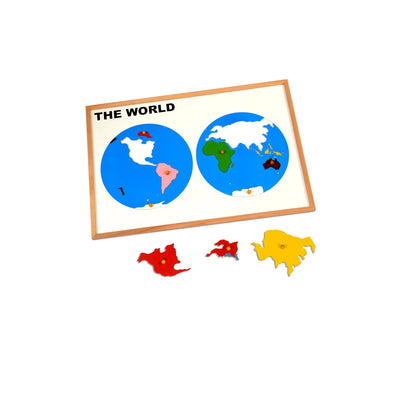
As children grow, introduce them to animals from different parts of the world and their unique habitats. Using a globe or Montessori geography materials, you can show where tigers live (like our Bengal tigers!), where penguins are found, or the home of an elephant. Matching animal figures to their respective continents or biomes (forests, deserts, oceans) helps children understand the vast diversity of life on Earth and develop a global perspective.
Practical Tips for Montessori Zoology at Home
- Nature Walks: Even a short walk in a park or around your apartment complex can be an opportunity for observation. Point out birds, insects, and discuss what they're doing.
- Respectful Observation: Teach children to observe animals quietly and respectfully, without disturbing them.
- DIY Materials: You don't need expensive materials for everything. Pictures cut from old magazines, animal drawings, or even simple clay models can be wonderful learning tools.
- Involve Grandparents: Grandparents often have a deep connection to nature and can share traditional knowledge, stories, and local animal names.
- Small Spaces, Big Learning: Even in small apartments, focus on books, miniature animal figures, and observations from windows or balconies.
- Care for Living Things: If feasible, having a small potted plant or even a fish can teach responsibility and the life cycle.
Key Takeaways
- Montessori zoology encourages observation, classification, and respect for all living things.
- Start with familiar animals in your home and local environment.
- Utilise hands-on materials like animal figures, puzzles, and classification cards.
- Integrate Indian stories and literature to enhance learning and cultural connection.
- Explore global habitats and geography with appropriate Montessori materials.
- Everyday activities and DIY resources can make zoology lessons accessible for all Indian homes.
How young can children start learning zoology?
Children as young as 18 months can begin exploring zoology through simple observation and tactile experiences, like playing with animal figures or observing pets. Formal classification activities typically begin around 2.5 to 3 years of age, aligning with their developing cognitive abilities and curiosity.
Do I need specific Montessori zoology materials?
While specific Montessori materials like classified cards and animal puzzles are excellent, you don't need them all to start. You can begin with realistic animal toys, picture books, and by simply observing local fauna. Many DIY materials can also be created using common household items.
How can I teach about animals if we live in a city apartment?
City living offers plenty of opportunities! Focus on observing birds from your window or balcony, visiting local parks for insects and common animals, and exploring nature documentaries. High-quality books, animal puzzles, and small world play with animal figurines are also wonderful ways to bring the animal kingdom indoors.
What are the benefits of zoology lessons for child development?
Zoology lessons foster a wide range of developmental benefits, including enhanced observation skills, critical thinking through classification, language expansion, and an understanding of interconnectedness in nature. They also build empathy, respect for life, and a foundation for scientific inquiry in children.
Bringing the wonders of the animal kingdom into your Montessori homeschool is a beautiful journey of discovery. It’s about nurturing your child’s innate curiosity and building a deep, respectful connection with the living world around us. For a wide range of thoughtfully designed Montessori materials to support your zoology lessons, explore the collections at SkilloToys.com.