Montessori Zoology: Animal Lessons for Homeschoolers
There's a special kind of magic that unfolds when a child encounters the wonders of the natural world. From the chirping sparrow on the balcony to the bustling ants on the kitchen floor, animals are everywhere, sparking curiosity and wonder. For parents navigating the beautiful journey of homeschooling in India, integrating zoology and animal lessons for Montessori homeschoolers can be one of the most enriching experiences for young minds.
Montessori zoology is a hands-on approach to understanding the animal kingdom, designed to foster a deep connection with living beings and their environments. This method is not just about memorising names; it's about developing observation skills, respect for life, and understanding the intricate web of nature. This works because children are naturally drawn to animals, and the Montessori approach leverages this innate interest through concrete, engaging activities. Parents can easily introduce these concepts by starting with the animals familiar to their child and gradually expanding their world.
Bringing the Animal Kingdom Home: Montessori at Home India
Many Indian homes, whether sprawling or cosy apartments, offer a unique backdrop for natural learning. You don't need a sprawling farm to explore zoology. Simple observations of common house lizards, pigeons on the window sill, or even street dogs can become profound lessons in empathy and life cycles. Grandparents, with their treasure trove of stories, can be invaluable in introducing traditional animal lore.
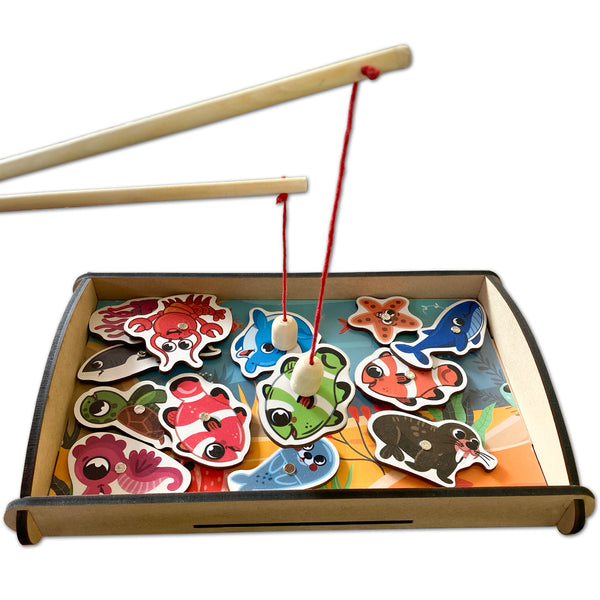
For toddlers and preschoolers, hands-on educational toys for toddlers like animal puzzles are fantastic starting points. These help with fine motor skills, shape recognition, and vocabulary development as children learn the names of different creatures. It's a gentle introduction to the diversity of animal forms.
Sensorial Exploration with Animals
Maria Montessori emphasized that children learn best through their senses. For zoology, this means providing opportunities to touch, see, and even hear about animals. High-quality animal figures, perhaps even those with varied textures, can be used for sensory bins or imaginative play. Encourage children to describe what they feel and observe.
A simple nature walk, even around a neighbourhood park or garden, becomes an adventure. Point out different birds, insects, or even the different types of leaves they might find. Discussing how these creatures move, eat, and live helps build a foundational understanding of ecosystems and life. This is foundational for robust child development India.
Language and Classification Fun
Expanding a child's vocabulary related to animals is a core part of Montessori zoology. Start with familiar animal names and sounds, then introduce terms like 'mammal', 'bird', 'fish', 'reptile', and 'amphibian' using concrete examples. Animal classification work, often using three-part cards or small animal figurines, helps children sort and categorise scientifically.
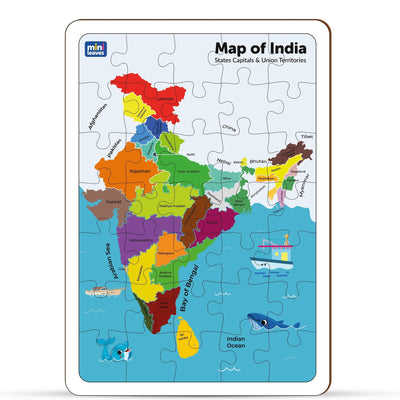
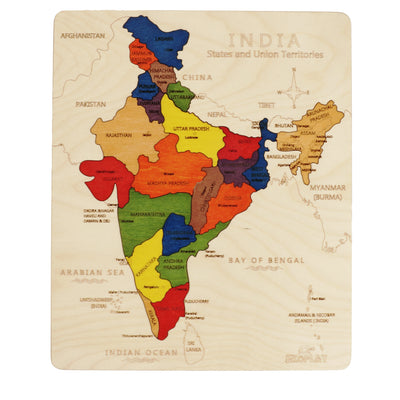
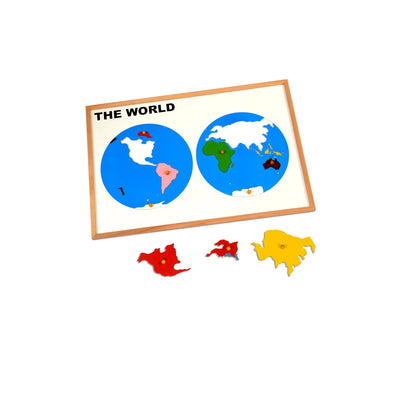
These Montessori learning activities help children understand the vast diversity of the animal kingdom and how different creatures are grouped. For instance, exploring Montessori geography materials can tie into animal habitats, discussing which animals live in deserts, jungles, or oceans. This links zoology directly to broader ecological understanding.
Hands-On Learning: Practical Activities for Young Zoologists
Beyond categorisation, Montessori zoology encourages practical, hands-on engagement. Animal puzzles are not just for fun; they help children understand the different parts of an animal. Matching games where children connect an animal picture to its footprint or its food source are excellent for developing logical thinking and observation. SkilloToys offers a wide range of Montessori learning materials that support these explorations.
If you have pets, involve your child in their care, teaching responsibility and empathy. Even visiting a local temple with resident cows or a nearby farm can provide invaluable real-world experience. These experiences provide tangible connections to abstract concepts, making learning memorable and meaningful.
Connecting to Our Roots: Animals in Indian Culture
Indian culture is rich with animal symbolism and stories. Share tales from the Panchatantra or Jataka, where animals are central characters teaching moral lessons. Discuss the significance of animals in festivals, like the mouse with Lord Ganesha or the cows during Pongal. This not only enhances cultural literacy but also deepens a child's appreciation for the human-animal bond.
Teaching about the principle of Ahimsa, or non-violence towards all living beings, is a profound way to instill respect and compassion. These lessons are naturally woven into the fabric of daily life and conversations, making zoology an integral part of holistic upbringing in an Indian context.
Embarking on zoology and animal lessons for your Montessori homeschooler is a journey filled with discovery, empathy, and wonder. It's about nurturing a generation that respects and understands the natural world around them. SkilloToys.com is here to support you with thoughtfully designed Montessori materials that bring these lessons to life, right in your home.