Waking up in an Indian home often brings a symphony of sounds – perhaps the gentle clinking of chai cups, the distant prayer chants, or the excited chatter of family members. For Montessori homeschooling parents, these mornings hold the beautiful potential for intentional learning and growth, especially when guided by a well-structured morning rhythm and routine for Montessori homeschoolers in India. Imagine starting your day not with a rush, but with purpose, fostering your child's natural curiosity and independence right from sunrise.
A Montessori morning rhythm is a predictable, flexible sequence of activities that provides comfort and structure for children, allowing them to anticipate what comes next without feeling rushed or forced. This works because children, especially those aged 0–6, thrive on order and consistency, which empowers them to make choices within a known framework. Parents can start by observing their child’s natural wake-up time and building the routine around their unique energy cycles, rather than imposing a strict schedule.
Crafting a Peaceful Montessori Morning at Home
Creating a purposeful morning isn't about rigid timetables; it's about establishing a flow that respects the child's pace and developmental needs. In the context of an Indian home, this means adapting the Montessori philosophy to our unique family dynamics, be it a bustling joint family or a cozy nuclear setup in a small apartment.
The Importance of a Prepared Environment
Just as Maria Montessori advocated, a prepared environment is key. Before your child even wakes, ensure their learning space, whether it's a dedicated room or a corner of the living area, is tidy and inviting. Simple, accessible shelves with a few chosen Montessori learning materials encourage independent choice and engagement from the moment they are ready to explore. This silent preparation sets a positive tone for the day, allowing for a smooth transition from sleep to activity.
Gentle Awakening and Personal Care
Instead of an abrupt alarm, allow for a gentle awakening. Perhaps the morning sunlight streaming through the window or the soft sounds of the household become their cue. Once awake, encourage self-care activities. This is a prime opportunity for practical life skills. Children can learn to make their bed, brush their teeth, wash their face, and choose their clothes independently. Providing child-sized tools and accessible clothing empowers them. Many practical life Montessori materials at SkilloToys, like dressing frames, can be excellent aids here, teaching fine motor skills and self-sufficiency.
Even a two-year-old can help put away their pajamas or bring their toothbrush to the bathroom. These small acts of independence build confidence and contribute to their overall child development in India, preparing them for future responsibilities within the family and community.
A Nourishing Start: Breakfast and Connection
Breakfast in India is often a shared family affair. Integrate your child into this ritual. They can help set the table, pour their own milk from a small pitcher, or even peel a banana. Simple, wholesome Indian breakfasts like idli, dosa, or poha offer wonderful opportunities for sensory exploration and conversation. This is a moment for connection, not just consumption.
This period also offers a chance for gratitude and cultural appreciation. Perhaps a short prayer, a simple folk song, or discussing plans for the day. These moments are invaluable for fostering strong family bonds, a cornerstone of Indian values.
Engaged Learning: The Montessori Work Cycle
Following breakfast, transition into the core of your Montessori morning: the work cycle. This is when children engage with their chosen materials for sustained periods. Offer a variety of educational toys for toddlers and preschoolers that cater to different developmental areas – sensorial, practical life, language, and mathematics.
A typical work cycle involves the child choosing a material, working with it for as long as they are engaged, and then returning it to its place. This promotes concentration, order, and respect for materials. As parents practicing Montessori at home India, we can guide, observe, and offer new presentations when needed, but primarily, we trust in the child's intrinsic motivation to learn.
Outdoor Play and Gross Motor Movement
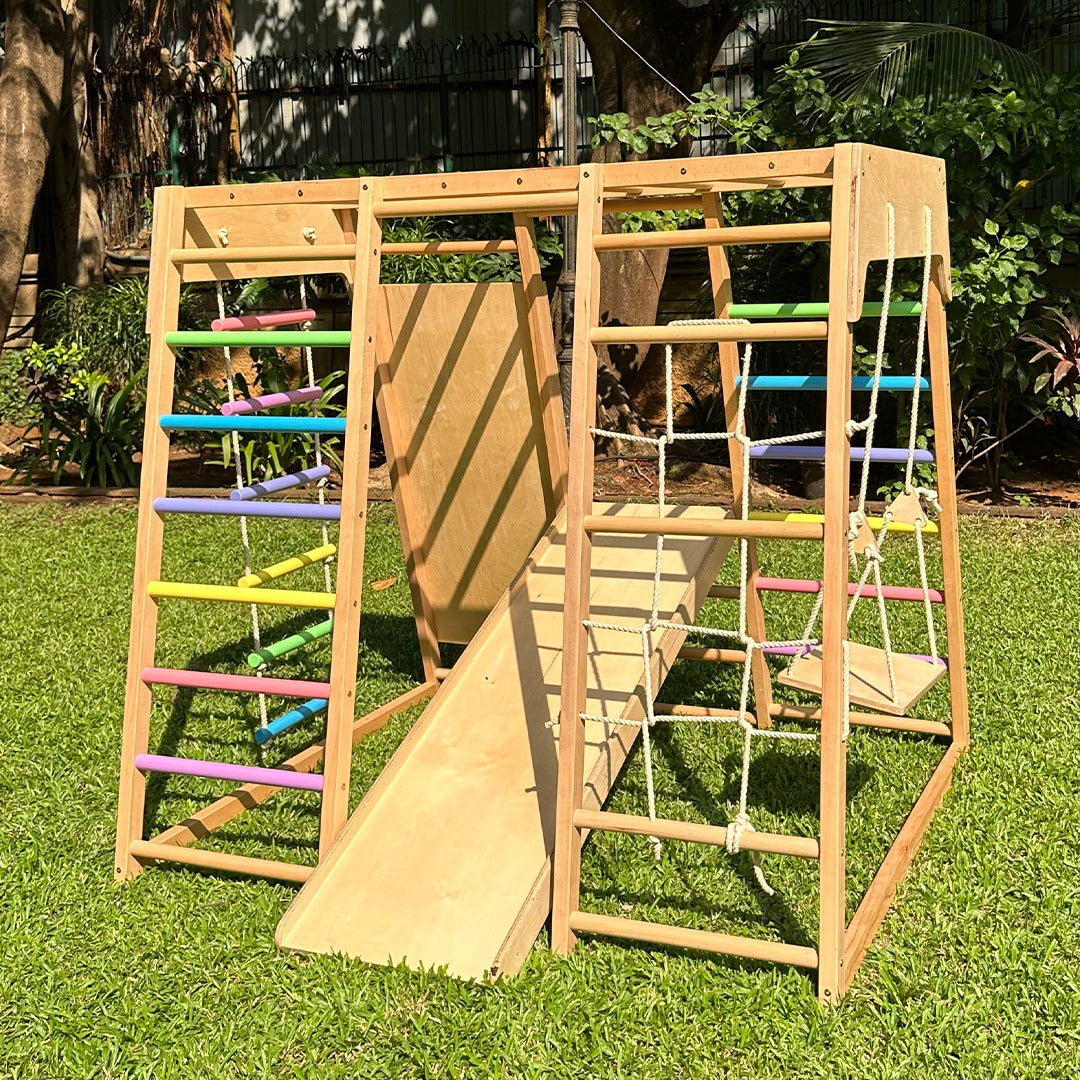
Before the Indian sun gets too intense, incorporate outdoor play. Even if it's just a small balcony garden or a communal park, fresh air and gross motor movement are vital for healthy child development. Climbing, running, jumping, or simply observing nature helps integrate sensory experiences and releases energy, preparing them for calmer activities later. This also encourages an appreciation for the natural world around them, from the chirping sparrows to the vibrant bougainvillea.
Flexibility and Observation are Key
Remember, a rhythm is not a rigid schedule. Life in India is full of delightful spontaneity – an impromptu visit from a relative, a festive celebration, or an unexpected downpour. Your Montessori morning rhythm should be flexible enough to accommodate these. The core principle is observation: watch your child, understand their needs, and adapt the routine accordingly. Some days might call for more quiet work, others for more active play.
Key Takeaways for Your Montessori Morning
- Establish Predictable Flow: Create a gentle, consistent sequence of activities that children can anticipate, reducing anxiety and increasing cooperation.
- Prepare the Environment: Ensure learning materials and personal care items are accessible and orderly before the day begins, inviting independent engagement.
- Foster Independence: Empower children with practical life skills like self-dressing, tidying, and meal preparation, using child-sized tools.
- Integrate Indian Culture: Weave in local customs, language, and family rituals into the morning routine for a holistic experience.
- Prioritise Uninterrupted Work Cycles: Allow children dedicated time to engage deeply with chosen Montessori materials, fostering concentration.
- Include Outdoor Exploration: Incorporate fresh air and gross motor activities, even in small spaces, for physical and sensory development.
- Observe and Adapt: Remain flexible and adjust the rhythm based on your child's needs and the natural flow of your family life.
FAQ: Your Montessori Morning Questions Answered
How rigid should a Montessori morning routine be?
A Montessori morning routine should be a rhythm, not a rigid schedule. It provides a predictable flow that children thrive on, but it's flexible enough to accommodate individual needs, unexpected events, and the natural variations of family life. Consistency in the sequence of activities is more important than strict timings.
What if my child resists the morning routine?
Resistance often stems from a need for control or unmet needs. Observe why they're resisting: are they tired, hungry, or feeling overwhelmed? Offer limited choices within the routine (e.g., "Would you like to get dressed first or brush your teeth?") and involve them in setting up the environment to foster a sense of ownership.
How do I involve grandparents in Montessori homeschooling in India?
Involve grandparents by explaining the philosophy gently and inviting them to participate in specific activities, such as reading stories, helping with a practical life task like sorting pulses, or engaging in outdoor play. Emphasise that their presence and wisdom are valuable contributions to the child's holistic development and cultural immersion.
What are age-appropriate morning activities for a 2-year-old Montessori child?
For a 2-year-old, morning activities can include simple practical life tasks like putting away pajamas, helping with breakfast preparation (e.g., washing fruit), or wiping spills. Offer sensorial activities like matching colours, exploring different textures, or engaging with puzzles and object permanence boxes from their prepared shelf.
How do I manage a Montessori morning rhythm in a small apartment?
In a small apartment, focus on creating distinct zones for different activities, even if it’s just a rug to define a “work area.” Prioritise easily stored, multi-purpose materials and utilise vertical space. Outdoor time can be a visit to a local park, a balcony garden, or even active play within a safe indoor space.
Embracing a Montessori morning rhythm at home is a gift you give to your child and yourself. It cultivates independence, focus, and a love for learning that lasts a lifetime. Explore our range of authentic Montessori materials at SkilloToys.com to support your child's journey.