Practical Life Curriculum for 18 Months to 3 Years
Imagine your little one, aged 18 months to 3 years, proudly wiping a spill, carefully pouring water, or helping sort lentils for dinner. This isn't just wishful thinking; it's the beautiful reality of embracing a practical life curriculum for 18 month to 3 year olds in your home. Toddlers in India, like everywhere, possess an innate desire to participate in activities they see around them. Their small hands are eager to help, and minds buzz with curiosity.
So, what exactly is Practical Life in the Montessori sense? Practical Life activities are purposeful tasks that help a child develop independence, concentration, coordination, and a sense of order. This works because children at this age are in a sensitive period for movement and order, absorbing everything from their environment. Parents can offer simple, real-life activities mimicking daily household chores, empowering their child to become an active, capable family member.
Why Practical Life Matters for Your Little One
Practical life activities are foundational for holistic child development India. They refine motor skills, enhance focus, and build self-esteem. This nurtures a child's innate drive to 'do it myself,' vital for confidence and resilience.
Setting Up Your Home for Practical Life Activities
Even in an Indian apartment or joint family home, set up 'preparation for life' zones. Key is accessibility and child-sized items: low shelves, small brooms, pitchers. Grandparents can share traditional chores. SkilloToys.com offers practical life Montessori materials, safe and engaging.
Age-Appropriate Activities (18 months - 2.5 years)
For toddlers 18 months to 2.5 years, focus on simple, single-step activities developing foundational skills like transferring, pouring, and manipulating objects.
- Pouring: Dry materials (rice, lentils) between pitchers, then water from jug to glass.
- Transferring: Spooning beans, or tongs for cotton balls. These Montessori learning activities hone fine motor control and concentration.
- Sweeping & Wiping: Small broom/dustpan for crumbs, or cloth for spills, fostering tidiness.
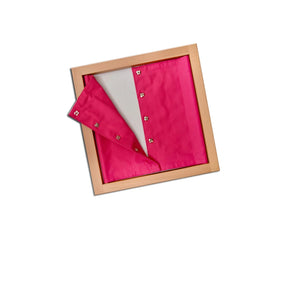
- Dressing Skills: Clothes with large buttons or Velcro for self-dressing practice.
- Object Permanence & Fine Motor: An Imbucare box is excellent. Children practice posting objects, developing hand-eye coordination and problem-solving.
Growing Independence (2.5 - 3 years)
As your child approaches three, their developed coordination allows for more complex, multi-step activities. Their desire for independence blossoms here.
- Food Preparation: Washing fruits, tearing lettuce, mashing soft fruits, or helping roll chapati dough—a favourite in Indian homes. Child-safe knives for soft foods.
- Self-Care: Brushing teeth, thorough hand washing, combing hair, and selecting their own clothes.
- Environmental Care: Watering balcony plants, dusting low furniture, setting the table. During festivals, assist with arranging flowers or placing unlit diyas.
- Sorting & Organising: Matching socks, sorting laundry by colour, putting away educational toys for toddlers in baskets.
Tips for Parents: Embracing the Montessori Way at Home
Bringing Montessori practical life home is a journey; patience and observation are key. Goal: participation and development, not perfection.
- Observe Your Child: Note what activities they are drawn to (e.g., cooking, cleaning); follow their lead.
- Prepare the Environment: Ensure materials are accessible, clean, complete. A simple tray invites engagement. Core to Montessori at home India.
- Model, Don't Correct: Show an activity slowly, step-by-step. Allow them to try without interference. Re-model later if they err.
- Allow for Repetition: Children learn via repetition. Let them repeat tasks many times; each repetition refines skills.
- Focus on the Process: The learning journey matters more than a perfect outcome. Spills or wobbly stacks are part of learning.
The Role of the Grown-ups
In Montessori, the adult guides, offering choice, respecting pace, and trusting capabilities. Grandparents in Indian joint families can share wisdom and traditions, like teaching spice sorting or watering plants from a brass lota. Let your child explore and achieve, fostering practical abilities and a lifelong love for learning.
Key Takeaways
- Practical Life Foundation: Essential for developing independence, concentration, and coordination in toddlers 18 months to 3 years.
- Age-Appropriate Activities: Begin with simple tasks (pouring, transferring), progressing to food prep and self-care.
- Prepared Environment: Use child-sized tools and low shelves, suitable for Indian homes.
- Guidance, Not Dictation: Adults model tasks slowly, allowing repetition, and observe without interference.
- Holistic Development: Practical life skills significantly contribute to overall cognitive, emotional, and physical growth.
FAQs About Practical Life Activities at Home
How much time should we dedicate to practical life activities daily?
No fixed duration. Integrate activities daily; 15-30 minutes, or helping with chores. Consistency in opportunities is key.
What if my child isn't interested in practical life activities?
Observe what piques their curiosity. Vary materials, presentation, or re-introduce later; watching you often sparks interest.
Can I use everyday household items instead of specific Montessori materials?
Absolutely! Use everyday Indian household items like katoris or small brooms. Montessori encourages real, functional items over toys.
How does practical life help with academic skills later on?
Practical life prepares for academics indirectly. Concentration from spooning aids puzzle focus; fine motor skills for writing. Order supports math.
Embracing a practical life curriculum for your 18 month to 3 year old is one of the most enriching gifts you can give your child. It's an investment in their independence, confidence, and overall well-being. For a curated selection of high-quality, child-friendly tools and Montessori method learning materials that support these vital activities, explore the collections at SkilloToys.com.