Practical Life for Toddlers: 18 Months to 3 Years at Home
As a parent in India, watching your little one grow from a crawling explorer to a curious toddler is a joy unlike any other. Around 18 months, children begin to show a strong desire to participate in daily activities, mirroring what they see elders doing. This natural inclination is the perfect gateway to introducing a Montessori practical life curriculum, fostering independence, coordination, and concentration right at home for your 18-month to 3-year-old.
What exactly is a Practical Life curriculum? It's a fundamental part of the Montessori method that involves everyday tasks children observe and are eager to imitate. These activities, often simple chores and self-care routines, are carefully adapted for a child's size and ability. This works because children at this age are driven by an innate desire to contribute and master their environment. Parents can facilitate this by offering real, purposeful activities that build confidence and essential life skills.
Why Practical Life Matters for Your Little One's Development
At this crucial stage of child development in India, children are building the foundations for their future. Practical Life activities are more than just chores; they are exercises in self-construction. When a child learns to pour water without spilling or to button their own shirt, they're not just performing a task. They're developing fine motor skills, hand-eye coordination, and a deep sense of accomplishment. This empowerment fuels their self-esteem and lays the groundwork for more complex learning, encouraging focus and attention span.
These activities also help children understand the sequence of tasks and develop problem-solving abilities. Whether they are helping to set the table for a family meal or carefully wiping up a spill, they are learning about cause and effect. This active engagement with their surroundings is far more beneficial than passive entertainment, preparing them not just for school but for life itself.
Setting Up Your Montessori Practical Life Space at Home
You don't need a large Montessori classroom to bring practical life into your home. Even in a small apartment in Bengaluru, a dedicated corner or accessible shelf can make a world of difference. The key is to create an environment that invites participation and promotes independence. Use child-sized tools, sturdy trays, and natural materials readily available in Indian homes. Think about low shelves where children can access their practical life materials themselves, promoting autonomy.
Consider items like a small broom and dustpan, a child-sized jug and glasses for pouring, or a low stool for reaching the sink. In a joint family setting, grandparents often cherish involving children in daily rituals, offering a wonderful opportunity for practical life lessons. From helping with puja preparations to sorting daal, these everyday moments are invaluable Montessori learning activities.
Engaging Practical Life Activities for 18 Months to 3 Years
Here are some age-appropriate activities that resonate with Indian household routines, perfect for your educational toys for toddlers journey:
- Pouring and Transferring: Start with dry items like lentils (daal) or rice using small bowls and a jug. As they master this, move to water. This builds concentration and coordination, essential for many daily tasks.
- Sweeping and Mopping: Provide a miniature broom and dustpan. Let them sweep a small area, perhaps after a meal. A small mop for spills encourages care for their environment.
- Food Preparation: Simple tasks like washing fruits or vegetables for an evening snack, stirring batter for dosas, or peeling boiled potatoes are wonderful. Ensure all tools are child-safe and supervision is always present.
- Dressing Skills: Offer opportunities to practice zipping a jacket, buttoning a shirt, or taking off their shoes. Button frames or dressing frames can be excellent tools to practice these skills outside of dressing time.
- Care of Self: Handwashing is a vital practical life skill. A low stool at the sink, a small soap dish, and a personal towel empower them. Brushing teeth and combing hair are also excellent daily routines to encourage independence.
- Care of Environment: Dusting low shelves with a small cloth, watering indoor plants with a child-sized watering can, or wiping spills are simple yet impactful tasks. These activities connect children to their surroundings and teach responsibility.
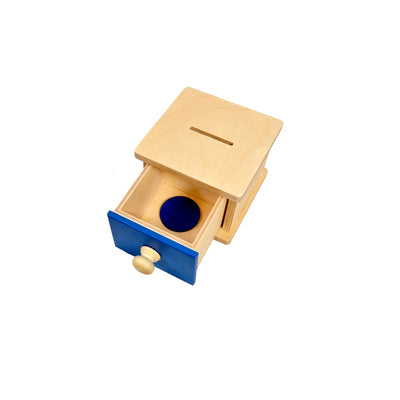
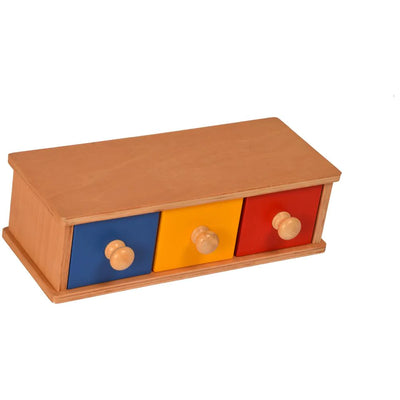
- Object Permanence & Fine Motor: Materials like an Imbucare Box with a drawer or different shaped coin boxes are fantastic for developing fine motor skills and understanding object permanence. These are often a hit with toddlers exploring cause and effect.
Tips for Success: Montessori at Home India
Embracing Montessori at home India requires patience and observation. Always demonstrate the activity slowly and clearly, breaking it down into steps. Allow your child to complete the task without interruption or correction, focusing on the process rather than the perfect outcome. This fosters resilience and intrinsic motivation.
Remember to offer choices and rotate activities to keep things engaging. If an activity isn't working, simply put it away and reintroduce it later. Involve other family members; a grandparent might show a child how to prepare spices for a curry or arrange flowers for a festival, making learning a shared cultural experience. Providing high-quality, safe, and engaging Montessori learning materials can significantly enhance this experience.
Key Takeaways for Practical Life
- Practical Life is Foundation: It's a core Montessori principle for 18 months to 3 years, building independence and essential skills.
- Everyday Tasks as Learning: Utilise common household activities for developing concentration, coordination, and problem-solving.
- Child-Sized Environment: Adapt your home with accessible tools and a designated space for easy child participation.
- Focus on Process, Not Perfection: Allow children to complete tasks at their own pace, fostering self-esteem and internal motivation.
- Integrate Indian Context: Weave in cultural practices and local materials to make activities relatable and meaningful.
- Observe and Guide: Demonstrate activities clearly, then step back and allow independent exploration and learning.
FAQ: Your Questions About Practical Life Answered
What exactly is a Practical Life curriculum?
A Practical Life curriculum in Montessori involves activities based on everyday tasks that help children develop independence, concentration, coordination, and a sense of order. These are real, purposeful activities that mimic adult work, adapted to a child's size and ability, empowering them to care for themselves and their environment.
How do I introduce Practical Life activities to my 18-month-old?
Start by observing your child's interests and readiness. Introduce one simple activity at a time, demonstrating each step slowly and clearly without talking too much. Invite your child to try, but don't force it, and allow them to explore and practice at their own pace.
Do I need special Montessori toys for Practical Life?
While specific Montessori practical life materials are designed for purpose, you can start with many items found in your Indian home like small pitchers, bowls, cloths, and brushes. The key is that items are real, child-sized, functional, and presented in an orderly way, making them accessible and inviting.
How can I involve grandparents in Montessori Practical Life at home?
Grandparents are a wonderful resource! Encourage them to involve your child in their daily routines, such as sorting lentils, preparing vegetables, watering the tulsi plant, or setting up for a small puja. This integrates learning into cultural practices and strengthens intergenerational bonds, a hallmark of Indian family life.
Embracing practical life activities at home is a beautiful way to nurture your child's innate potential and prepare them for a lifetime of confident learning. For high-quality, age-appropriate Montessori materials designed to support this journey, explore the curated collections at SkilloToys.com.