Raise an Independent Child from Age 1: Montessori Tips
As Indian parents, our instinct is often to lovingly care for our children, anticipating their every need. But what if we told you that empowering your child to do things for themselves, even from a tender age, is one of the greatest gifts you can give them? Many parents wonder how to raise an independent child from age 1 without feeling like they're neglecting their little one. The Montessori method offers a beautiful, respectful path to fostering this self-reliance from an early age, perfectly adaptable for our homes in India.
So, what exactly is Montessori independence? In the Montessori philosophy, independence is about the child's ability to act, choose, and think for themselves, appropriate to their developmental stage. This works because children are naturally driven to explore and master their environment. Parents can foster this by creating an environment that supports self-discovery and allowing children the freedom to engage with it.
The Montessori Philosophy of Independence at Home
Dr. Maria Montessori, the visionary educator, famously observed that children often exclaim, "Help me do it myself!" This isn't just a plea for assistance; it's a profound declaration of their innate drive for self-mastery. For Indian parents navigating a busy household, perhaps even a joint family setup, this philosophy encourages us to step back and observe, rather than constantly doing for our children.
While grandparents might lovingly insist on feeding the child or tidying up after them, the Montessori approach gently shifts focus. It acknowledges that true help means enabling the child to develop their own capabilities, fostering a sense of accomplishment and self-worth that will serve them throughout their lives.
Crafting a Prepared Environment for Your Little One
Creating a "prepared environment" is the cornerstone of Montessori at home India. This means arranging your living space to be accessible, safe, and stimulating for your child, allowing them to move and interact freely.
A Child-Sized World
From around age 1, children are developing their gross motor skills and a desire to explore. Think about low shelves where their toddler Montessori materials and toys are within reach. A small table and chair, or even comfortable floor seating (common in many Indian homes), can give them a designated space for activities. Ensure water bottles and healthy snacks are accessible, encouraging them to help themselves when hungry or thirsty.
The Beauty of Order
Children thrive on routine and order. Designate specific spots for everything – a basket for blocks, a shelf for books. This predictability isn't about rigidity; it's about providing a clear structure that helps children understand their environment and reduces frustration. Just like we have a specific place for our puja essentials or festival decorations, children appreciate knowing where things belong and how to put them back.
Freedom Within Limits
Offer your child the freedom to explore safely. This might mean child-proofing certain areas while leaving others open for discovery. A child who can move freely, without constant "no" or "don't touch," develops confidence and a deeper understanding of their surroundings. It's about empowering them to choose their activities within the boundaries you've set for their safety and well-being.
Everyday Practical Life Activities for Early Independence
Practical Life activities are perhaps the most tangible way to encourage independence in toddlers. These are real-world tasks that adults perform daily, simplified and adapted for a child's capabilities. They enhance concentration, coordination, and a sense of contribution.
Involving Them in Daily Chores
Even a 1-year-old can help! Simple tasks like wiping up spills with a small cloth, putting their dirty clothes in a laundry basket, or helping you water a small tulsi plant are wonderful starting points. Provide child-sized tools, like those found in Montessori practical life materials, such as a tiny broom or pouring sets. In an Indian kitchen, they can help sort pulses or arrange simple, unbreakable utensils on a low shelf, making them feel like a valuable part of the family.
Fostering Self-Care Skills
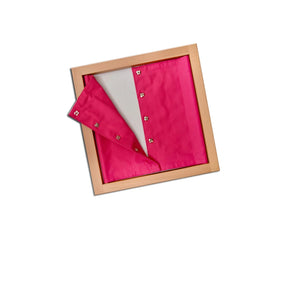
Encourage self-dressing with simple clothes like comfortable kurtas or elastic-waist pyjamas. Provide a step stool so they can reach the wash basin to wash their hands or brush their teeth with assistance. These small acts of self-care build a profound sense of capability and pride. This contributes significantly to their overall child development India parents strive for.
Engaging with Purposeful Materials
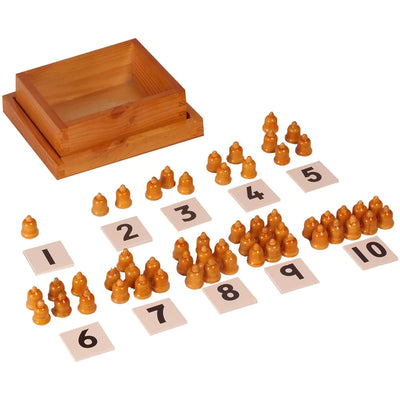
Montessori learning activities often involve materials designed to refine specific skills. Think about knobbed puzzles for fine motor development, or shape sorters that introduce problem-solving. While these are educational toys for toddlers, their purpose is not just play but also skill-building. Explore a range of authentic Montessori learning materials that cater to these developmental needs, offering concrete experiences that foster concentration and dexterity.
Nurturing Emotional and Cognitive Growth
Independence isn't just about physical tasks; it's also about developing a resilient mind and spirit.
Observe More, Intervene Less
One of the hardest, yet most rewarding, practices is to observe your child's struggles without immediately stepping in. When a child is trying to stack blocks or figure out a puzzle, give them time. Your presence and trust empower them to find their own solutions, building perseverance and problem-solving skills.
Encourage Choices and Problem-Solving
Offer limited, age-appropriate choices. "Would you like to wear the blue kurta or the yellow one?" "Do you want an apple or a banana for snack?" These small choices help them feel in control and develop decision-making abilities. When they encounter a challenge, instead of solving it for them, ask, "What do you think you can do?"
A Language-Rich Environment
Talk to your child, name objects, and read aloud regularly. In many Indian homes, children are exposed to multiple languages, which is a fantastic brain booster! Encourage storytelling and conversations, even if their responses are still babbling. A rich language environment supports cognitive development and allows them to express their needs and thoughts more clearly, further enhancing their independence.
Key Takeaways for Raising an Independent Child
- Start fostering independence early, from age 1, by trusting your child's innate capabilities.
- Create a "prepared environment" in your home with child-sized furniture and accessible materials.
- Involve children in practical life activities like simple chores and self-care tasks.
- Provide freedom within safe limits, allowing for exploration and self-discovery.
- Prioritise observation over constant intervention, empowering your child to solve their own problems.
- Offer choices and maintain a language-rich environment to support cognitive and emotional growth.
FAQ: Common Questions from Indian Parents
Is a child really ready for independence at age 1?
Yes, absolutely! While it won't look like adult independence, a 1-year-old is driven to explore and imitate. Providing opportunities for simple choices and self-help tasks at this age lays a crucial foundation for greater independence later on.
How can I implement Montessori in a small Indian apartment?
Focus on vertical space with low, accessible shelves for toys and books. Utilise existing furniture, such as a low stool for handwashing. The core principles of order and accessibility can be applied creatively in any space, no matter how small.
What if my child makes a mess during practical life activities?
Mess is part of the learning process! Provide appropriate tools (like a small cloth or sponge) and involve your child in cleaning up. This teaches responsibility and resilience, viewing mistakes as opportunities to learn.
Are Montessori materials essential, or can I use household items for independence?
While authentic Montessori materials are designed for specific developmental goals, you can certainly start with safe household items. Simple pouring activities with water and cups, sorting lentils, or wiping surfaces with a cloth are excellent ways to begin fostering independence with what you already have.
Raising an independent child is a journey of patience, trust, and observation. By embracing Montessori principles, you're not just teaching skills; you're nurturing a confident, capable, and self-reliant individual. For high-quality, authentic Montessori materials that support this incredible journey, explore the collections at SkilloToys.com.