Raising Bilingual Children the Montessori Way in India
In the vibrant tapestry of Indian homes, where often multiple languages echo through the corridors, the idea of raising bilingual children the Montessori way feels incredibly natural. From the rhythmic lullabies of a grandmother in Tamil to a father's bedtime stories in English, our children are often immersed in a rich linguistic landscape from day one. But how do we intentionally nurture this natural exposure into a solid foundation for bilingualism, especially in those crucial early years from 0-6? The Montessori method offers a beautiful, child-led pathway to make language acquisition a joyful and organic part of your child's development.
Montessori's approach to language development is rooted in the belief that children possess an 'absorbent mind' – a remarkable capacity to unconsciously soak up information from their environment, particularly during the 0-6 age range. When applied to bilingualism, this means providing a carefully prepared environment rich in both (or more) languages, allowing the child to absorb them naturally, much like they learn their first language. This works because it respects the child's innate drive for communication and their sensitive period for language, fostering a deep, intuitive understanding rather than rote memorisation. Parents can facilitate this by consistently exposing their child to different languages through daily interactions, stories, and specially designed materials.
Why Bilingualism Matters in Indian Homes
In India, bilingualism, and often multilingualism, is not just an academic advantage but a way of life. From the bustling streets of Bengaluru to the serene villages, children grow up hearing Kannada, Hindi, English, and their regional mother tongue. Fostering multiple languages in your child offers profound cognitive benefits, enhancing problem-solving skills, critical thinking, and even creativity. Beyond academics, it deeply connects children to their heritage, allowing them to communicate effortlessly with grandparents, understand family traditions during festivals like Diwali or Onam, and truly appreciate the cultural nuances that define their identity. This cultural richness is a cornerstone of child development in India, and language is its primary vehicle.
The Montessori Approach to Language Learning
Maria Montessori observed that children have an intense fascination with language from birth, entering a 'sensitive period' for language acquisition that extends well into the elementary years. She believed that children should be immersed in a language-rich environment where they can spontaneously absorb the intricacies of sound, vocabulary, and grammar. This contrasts with traditional methods that often introduce language as a subject to be taught; instead, Montessori learning activities make language an experience to be lived.
Creating a Language-Rich Environment at Home
The foundation of Montessori bilingualism lies in establishing a 'prepared environment' at home that naturally encourages language interaction. For many Indian families living in joint setups or even small apartments, this means leveraging every opportunity. A common and highly effective strategy is the 'One Parent, One Language' (OPOL) approach, where each parent consistently speaks a specific language to the child. For example, Appa might speak only English, while Amma speaks only Kannada. Grandparents, who often play a significant role, can naturally contribute by speaking their mother tongue, adding another layer to the child's linguistic tapestry.
Beyond OPOL, integrate both languages into daily life. Narrate your actions in both languages – 'I am chopping vegetables' and 'Main sabzi kaat rahi hoon.' Read stories in different languages; visit local libraries for books in regional languages. Sing songs and rhymes. These simple, consistent exposures build a deep familiarity and understanding, making language acquisition an organic process rather than a chore. Remember, the goal isn't perfection, but exposure and connection.
Engaging with Montessori Language Materials
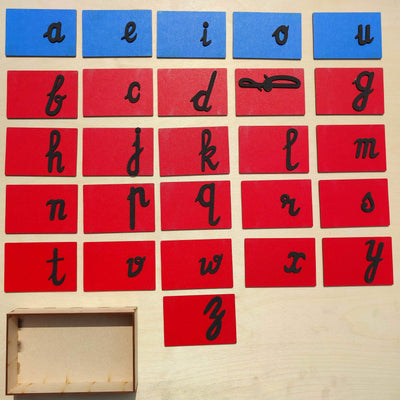
Montessori provides a wealth of concrete materials designed to engage a child's senses in the process of language learning. These aren't just educational toys for toddlers; they are tools that allow children to explore sounds, symbols, and word formation independently. For instance, Sandpaper Letters introduce phonetic sounds through touch, allowing children to feel the shape of the 'a' sound or the 'm' sound before they even know how to hold a pencil. This sensory engagement makes abstract concepts tangible and memorable.
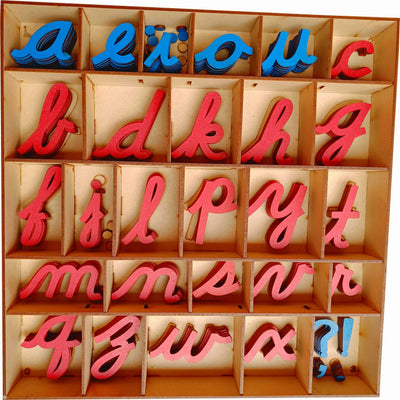
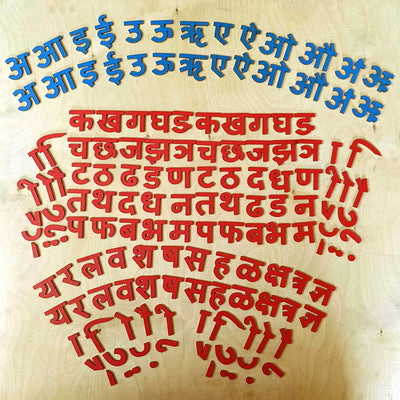
Once children master individual sounds, they can move to building words with the Movable Alphabet. This allows them to create words and sentences, expressing their thoughts long before their fine motor skills are ready for writing. Object Boxes, where children match small objects to corresponding word labels, are excellent for vocabulary expansion in both languages. Imagine a box with a small 'hathi' (elephant) and 'elephant' written on two separate cards. These hands-on activities empower children to decode and encode language at their own pace, fostering a deep love for reading and writing in multiple scripts.
Embracing the "Sensitive Period" for Language
Maria Montessori identified several 'sensitive periods' – windows of intense interest and ability that children experience for specific areas of development. The sensitive period for language is particularly strong from birth to around six years. During this time, children absorb language effortlessly, almost like sponges. This means that providing consistent, rich exposure to multiple languages during these formative years is incredibly effective. It's not about forcing learning, but about presenting opportunities in an inviting and respectful way, trusting the child's innate capacity to absorb.
Practical Tips for Indian Parents
Integrating Montessori principles for bilingualism into the vibrant, often busy, life of an Indian household requires thoughtfulness and consistency. Remember that every child's journey is unique. Here are a few tips for Montessori at home India:
- Be Consistent, Not Rigid: While the OPOL method is great, life happens. Don't stress if you accidentally mix languages. The key is consistent exposure over time, not absolute separation.
- Leverage Grandparents and Caregivers: If grandparents are fluent in a different regional language, encourage them to speak it with your child. This not only aids language development but also strengthens family bonds.
- Celebrate Linguistic Diversity: Attend cultural events, read books about different Indian states, watch children's shows in various languages. Show your child that languages are a bridge to understanding the world around them.
- Focus on Communication, Not Translation: Encourage your child to express themselves in the language they are most comfortable with at that moment. Avoid asking them to translate between languages, as this can hinder natural flow.
- Provide Quality Learning Materials: Invest in open-ended Montessori method learning materials and toys that encourage exploration and communication in both languages. Picture cards, puzzles, and storytelling props can be used effectively for multi-language learning.
- Patience is Key: Some children might mix languages initially, a phenomenon known as 'code-switching.' This is a normal part of bilingual development and usually resolves itself as their vocabulary grows. Trust the process.
Key Takeaways for Raising Bilingual Children the Montessori Way in India
- The Montessori method leverages a child's "absorbent mind" and "sensitive period for language" (0-6 years) for natural bilingual acquisition.
- Bilingualism offers significant cognitive benefits and strengthens cultural connections, particularly important in the diverse Indian context.
- Creating a language-rich prepared environment at home, possibly using the 'One Parent, One Language' (OPOL) strategy, is crucial.
- Montessori language materials like Sandpaper Letters, Movable Alphabet, and Object Boxes provide concrete, sensory-based learning experiences.
- Consistent exposure, patience, and celebrating linguistic diversity are vital for successful bilingual development in Indian children.
- Grandparents and local cultural experiences are invaluable assets in fostering multilingualism.
Frequently Asked Questions About Montessori Bilingualism
Is it confusing for a child to learn two languages at once?
Maria Montessori's observations, supported by modern research, indicate that young children are naturally adept at absorbing multiple languages simultaneously without confusion. Any initial mixing of languages (code-switching) is a normal developmental phase and usually self-corrects as their vocabulary expands in each language.
How can I use Montessori language materials for multiple languages?
Montessori language materials, such as Sandpaper Letters and Object Boxes, can be adapted for multiple languages. For instance, use the Sandpaper Letters to teach phonetic sounds in both Hindi and English. Create separate sets of object labels in different languages, allowing your child to match objects to words in each language.
What if I don't speak two languages fluently myself?
Even if you aren't fluent in multiple languages, you can still foster bilingualism. Focus on your strongest language and create opportunities for your child to hear the second language from others, like a grandparent, a caregiver, or through age-appropriate media and books. Consistency in exposure is more important than your own fluency in both.
At what age should I start introducing a second language?
The ideal time to introduce a second language is from birth, taking advantage of the child's 'absorbent mind' and the sensitive period for language development (0-6 years). The earlier the exposure, the more natural and effortless the acquisition process tends to be, as the child's brain is wired to soak up linguistic patterns.
Embracing the Montessori way to raise bilingual children is a journey of respect, observation, and joyful discovery. By creating a prepared environment and offering engaging experiences, you're not just teaching languages; you're opening up a world of understanding, connection, and cognitive brilliance for your child. Explore our range of specially curated Montessori language materials at SkilloToys.com to support your child's multilingual adventure.