Reading to Babies Changes Brain Structure Permanently
Imagine a tiny seed, carefully watered and nurtured, growing into a strong, resilient plant. Now, picture your baby's brain as an incredibly fertile garden, ready to bloom. What if we told you that one of the most powerful 'nutrients' for this garden is simply reading aloud? It's true: reading to babies changes their brain structure permanently, laying a profound foundation for their future.
This isn't just a charming bedtime ritual; it's a profound developmental activity. When we talk about reading to babies changing their brain structure, we're referring to neuroplasticity – the brain's incredible ability to reorganise itself by forming new neural connections. Every word spoken, every story shared, literally helps wire your baby's brain for language, literacy, and even emotional intelligence. Parents can harness this natural ability by making reading a consistent, joyful part of their daily rhythm.
The Miracle of Your Baby's Developing Brain
From the moment they are born, babies are like sponges, absorbing every sight, sound, and sensation around them. Maria Montessori called this the 'absorbent mind' – a period of intense, unconscious learning that shapes who they become. During the first few years, billions of neural connections are forming in your child's brain, creating the pathways for all future learning and understanding.
Reading aloud actively stimulates these connections, particularly in areas related to language processing, memory, and even visual association. The cadence of your voice, the rhythm of the words, and the interaction all contribute to a rich sensory experience. This early exposure helps your child's brain build a robust network for decoding language and making sense of the world.
More Than Just Stories: Language & Connection
Beyond the neurological wiring, reading fosters deep emotional bonds. Imagine a grandparent, with a twinkle in their eye, narrating a story in their mother tongue to a rapt grandchild in a cozy Indian home. This shared experience is invaluable. It’s not just about the words; it's about the warmth, the connection, and the sense of security that comes with being close to a loved one.
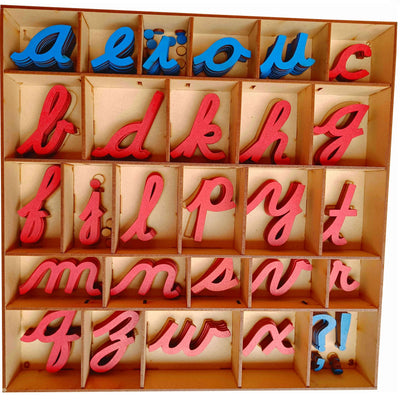
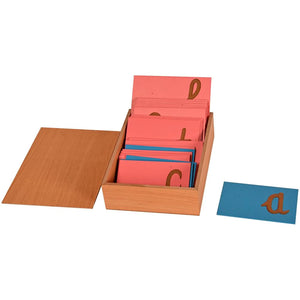
Reading consistently exposes babies to a wider vocabulary and complex sentence structures they might not encounter in everyday conversation. This rich language input is crucial for their developing Montessori language materials skills. It helps them understand nuances, express themselves better, and even develop a richer inner world. From simple picture books to folk tales, every story contributes to this vital growth.
Creating a 'Prepared Environment' for Reading at Home
In Montessori, we speak of the 'prepared environment' – a space that is thoughtfully arranged to meet a child's developmental needs and foster independence. For reading, this means making books accessible and inviting. In many Indian homes, with joint families and sometimes smaller living spaces, a designated reading corner can be a cosy mattress on the floor with cushions, or a low shelf within reach.
Ensure a variety of books are available, perhaps rotating them periodically to keep interest alive. Board books, fabric books, and picture books are perfect for little hands exploring Montessori materials for toddlers. Encourage your child to choose books independently, reinforcing their agency and decision-making skills – a core aspect of Montessori at home India.
Integrating Reading into Daily Montessori Learning Activities
Reading doesn't have to be a separate, scheduled activity; it can be woven into the fabric of your day. Point out words on grocery labels, read street signs during a walk, or describe the ingredients as you cook together. These real-world literacy experiences are invaluable for child development India. Pairing reading with hands-on Montessori learning materials can amplify its impact. For example, after reading about animals, engage with animal figurines or a puzzle. If you read about colours, explore objects of those colours around the house.
Remember, the goal is to make reading a joyful, natural part of life. There's no pressure for your baby to 'learn' to read at this stage. Instead, focus on cultivating a positive association with books and language. This foundational love for stories will serve them well as they grow, transitioning naturally to more advanced literacy skills when they are ready.
Key Takeaways
- Reading to babies significantly and permanently alters their brain structure, enhancing neural connections for language and cognition.
- This activity leverages neuroplasticity, the brain's ability to reorganize itself through new experiences.
- Reading promotes early language acquisition, expands vocabulary, and strengthens communication skills from infancy.
- It fosters deep emotional bonds between children and caregivers, especially within the Indian family context.
- Creating a 'prepared environment' with accessible books encourages a child's independent engagement with reading.
- Integrating reading into daily routines and pairing it with Montessori materials enhances overall child development.
Frequently Asked Questions
What is the best age to start reading to my baby?
You can start reading to your baby even before birth, as they can hear your voice in the womb. After birth, begin immediately. The earlier you start, the more beneficial it is for their developing brain and language skills.
How long should I read to my baby each day?
Consistency is more important than duration. Aim for short, frequent sessions – even 5-10 minutes a few times a day is highly effective. As your child grows, these sessions can naturally lengthen based on their interest.
What kind of books are best for babies and toddlers?
For babies, choose high-contrast board books, soft fabric books, or simple picture books with repetitive text. For toddlers, introduce books with more complex stories, vibrant illustrations, and interactive elements like lift-the-flaps or textures.
Does reading in my native Indian language also help brain development?
Absolutely! Reading in your native language is incredibly beneficial. It strengthens cultural identity, builds foundational language skills, and often introduces rich oral traditions. A child's brain benefits equally from exposure to any language.
My baby chews on books. Is this normal?
Yes, it's completely normal for babies to explore books with their mouths. This is part of their sensory exploration. Provide sturdy board books that can withstand chewing, and guide them gently towards turning pages as they get older.
The journey of parenting is filled with countless small, powerful moments. Reading to your baby is one such moment – a gift that shapes their brain, enriches their spirit, and builds an unbreakable bond. At SkilloToys.com, we believe in empowering parents with the knowledge and tools to nurture their child's incredible potential.