Rotation Toy Shelf Ideas for Indian Homes, Limited Space
In many Indian homes, especially in bustling cities like Bengaluru, space is a precious commodity. We often find ourselves juggling a lively household, sometimes with extended family, all within the cozy confines of an apartment. Yet, every parent wants to create a stimulating environment for their child, fostering independence and focus. This is where brilliant rotation toy shelf ideas come in, making the Montessori approach perfectly adaptable for even the smallest of spaces.
So, what exactly is toy rotation? Simply put, it's the practice of making only a select few toys and materials available to your child at any given time, while the rest are stored away out of sight. This works because it prevents overstimulation, encourages deeper engagement with each item, and allows your child to develop focus and concentration. Parents can observe their child's evolving interests and tailor the rotation to their developmental stage, fostering true Montessori learning activities.
For Indian families, this concept is a game-changer. It helps manage the inflow of gifts during festivals like Diwali or Christmas, and keeps shared living areas tidy. Imagine a calm, ordered space for your child to explore, free from overwhelming clutter. It’s not just about neatness; it’s about nurturing your child’s intrinsic desire to learn.
Smart Storage for Small Indian Spaces
When thinking about toy rotation, the first step is selecting the right shelf. For a Montessori setup, a low, open-front shelf is ideal. This allows your child, even a toddler, to easily see and access their chosen activity independently. Look for shelves that are sturdy and at your child’s eye level when they are standing or sitting.
In smaller Indian homes, consider multi-functional furniture. Perhaps a low bench that doubles as storage, or a simple, stackable unit that can be reconfigured. Wooden toys, often seen in Montessori environments, complement such shelves beautifully, adding a touch of natural warmth and durability to the space.
Selecting Materials for Montessori Learning Activities
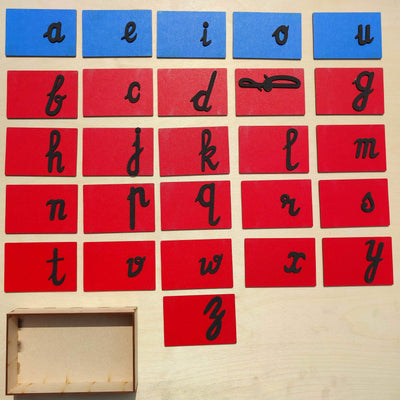
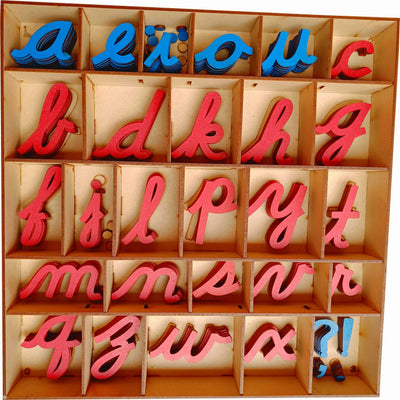
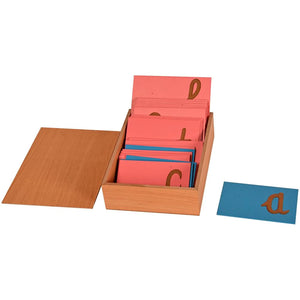
The beauty of Montessori is in its intentionality. Instead of dozens of plastic toys, we focus on a few carefully chosen, open-ended materials that encourage concentration and skill development. For children aged 0-6 years, this might include practical life tools like a small broom and dustpan, sensory activities such as a simple sorting tray, or early literacy materials like sandpaper letters.
When curating your shelf, think about variety without overwhelming. For toddlers' Montessori materials, consider one item for fine motor skills, one for gross motor, one practical life activity, and perhaps a book or a puzzle. The goal is to present a 'prepared environment' that invites purposeful play, aiding in their holistic child development India.
The Art of Rotating: Less is More
Once you have your shelf and a collection of materials, it’s time to implement the rotation. There’s no strict rule for how often to rotate; it depends on your child’s engagement. Some parents find a weekly rotation works well, others every two weeks. The key is to observe when interest starts to wane or when your child masters an activity.
Typically, 3-5 items on the shelf are plenty. The unused toys can be stored in clear bins, fabric bags, or even a closed cabinet in another room. This way, they remain fresh and exciting when reintroduced. This practice truly simplifies Montessori at home India, making it manageable and impactful.
Practical Tips for Montessori at Home in Compact Indian Living
Living in a compact Indian apartment doesn't mean compromising on a rich Montessori experience. Here are some tailored tips:
- Go Vertical (Carefully): If floor space is minimal, consider sturdy, low-level wall-mounted shelves for some items, ensuring they are securely fixed and accessible for the child.
- Utilise Existing Furniture: A wide window sill, a low coffee table, or even a clean kitchen counter corner can serve as temporary activity stations.
- Involve the Family: In joint families, grandparents and older siblings can be wonderful partners in preparing the environment and observing the child's interactions with materials. Their participation reinforces the sense of community.
- Natural & Local: Integrate local, natural materials. Simple wooden blocks, small brass utensils (safely), or traditional Indian puzzles can be wonderful additions, connecting learning to cultural heritage.
- The 'Prepared Environment' Principle: A Montessori prepared environment is a space intentionally designed to support a child's independent learning and exploration. This works because it empowers the child to choose their own activities, fostering concentration and self-discipline. Parents can observe their child's interests and adapt the environment accordingly, ensuring it remains stimulating and relevant.
Implementing these rotation toy shelf ideas fosters independence, develops focus, and brings a sense of order to your child's world, all within the constraints of your home. It’s about creating quality experiences over quantity of toys, making it a highly effective approach for child development India.
Key Takeaways for Your Montessori Home
- Toy rotation involves presenting a limited selection of materials to prevent overstimulation and encourage deeper engagement.
- This method is ideal for Indian homes with limited space, promoting order and reducing clutter from numerous toys.
- Choose low, open, child-accessible shelves, and consider multi-functional furniture.
- Select age-appropriate, open-ended Montessori materials that target specific developmental skills.
- Rotate 3-5 items on the shelf regularly (weekly or bi-weekly), storing others out of sight.
- Leverage vertical space, existing furniture, and family involvement to create an effective prepared environment.
Frequently Asked Questions About Toy Rotation
What is the ideal number of toys for a rotation shelf?
For most children, especially toddlers, 3 to 5 carefully selected items on the shelf at one time are ideal. This range offers enough choice without overwhelming them, promoting focus and concentration.
How often should I rotate toys?
The frequency depends on your child's engagement and interest. Many parents find success with weekly or bi-weekly rotations, or whenever you notice your child losing interest in the current selection of materials.
What kind of shelf is best for Montessori toy rotation in small spaces?
A low, sturdy, open-front shelf that is at your child's eye level is best. Look for compact designs, modular units, or even multi-purpose furniture like benches with integrated storage to maximise your space.
Can I use everyday household items for Montessori activities?
Absolutely! Montessori principles encourage practical life activities. Items like small baskets, cloths for folding, child-safe pitchers for pouring, or even traditional kitchen tools can be fantastic Montessori method learning materials.
Creating a Montessori-inspired home doesn't require a large house or expensive gadgets. With thoughtful planning and these rotation toy shelf ideas, you can foster independence, concentration, and a love for learning in your child, even in the coziest of Indian homes. Discover more enriching resources and materials at SkilloToys.com.