Screen-Free Evenings: Montessori Alternatives Indian Children Adore
As the sun sets and the day winds down, many Indian homes face a familiar dilemma: how to keep little ones engaged and learning without resorting to screens. For parents exploring or practising Montessori at home India, finding enriching screen-free evenings Montessori alternatives is key to fostering independent, joyful learning. It's about creating a peaceful, purposeful end to the day that nurtures your child's natural curiosity and development.
Montessori education, founded by Dr. Maria Montessori, is a child-centred approach that emphasizes self-directed activity, hands-on learning, and collaborative play. This philosophy believes that children learn best in a thoughtfully prepared environment that allows them to explore and discover at their own pace. For evenings, this translates into structured yet flexible activities that respect the child's developmental stage and allow for quiet, focused engagement before bedtime.
Creating a Prepared Environment for Evening Play
A cornerstone of the Montessori method is the "prepared environment." For screen-free evenings, this means ensuring your child's play area is inviting, organised, and accessible. In many Indian homes, space can be a premium, so think vertically with shelves, or dedicate a corner for your child's activities. This works because a clutter-free space reduces overstimulation and allows children to focus on one activity at a time. Parents can involve their child in tidying up their learning space, making it a shared responsibility and a calming ritual before new activities begin.
Thoughtful Activity Rotation
Instead of overwhelming children with too many options, rotate a select few activities. Keep baskets or trays with specific tasks ready. This not only keeps interest fresh but also teaches children choice and independence. Consider rotating practical life activities, sensorial materials, or language exercises. This approach is highly effective for fostering concentration and self-discipline, crucial aspects of child development India.
Engaging Montessori Alternatives for Indian Children
Practical Life Activities with an Indian Twist
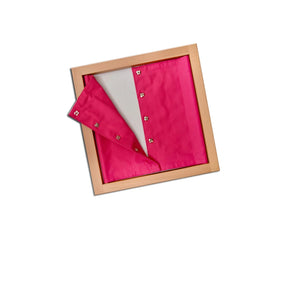
Practical life activities are a fantastic way to engage young children (18 months - 6 years) and build concentration, coordination, and independence. Think about daily chores in an Indian household: dusting a small table with a traditional cloth, sorting lentils (dals) into separate bowls, or helping prepare simple snacks like cutting soft fruits for chaat. These activities, often overlooked, are foundational Montessori learning activities that connect children to their immediate environment and culture.
For younger toddlers, transferring activities using a spoon or tongs with small beads or even rajma (kidney beans) can be incredibly engaging. Pouring water from a small jug into a glass helps develop fine motor skills and hand-eye coordination. These simple, everyday tasks become powerful learning tools when presented as purposeful activities.
Sensorial Exploration & Language Richness
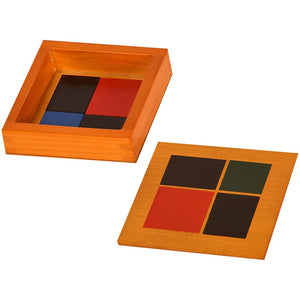
Montessori sensorial materials are designed to isolate and refine senses, crucial for early learning. While classic materials like the Pink Tower or Brown Stair offer abstract concepts, you can easily create sensorial experiences at home. Think about a "smell jar" activity using common Indian spices like cardamom, cinnamon, or cloves, encouraging children to identify scents. Similarly, a "sound cylinder" game with different grains or small bells can be captivating.
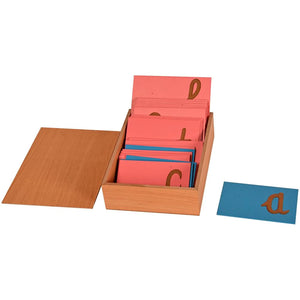
For language development, especially in multilingual Indian homes, Montessori activity kits are invaluable. Activities like matching pictures to words (e.g., animals, fruits common in India), or using sandpaper letters to trace Hindi or regional language alphabets, make learning tangible and fun. The movable alphabet is excellent for children starting to form words, blending sounds they've learned.
Reading together is always a wonderful screen-free option. Choose books with stories rooted in Indian culture, fables, or festivals. Encourage children to discuss the pictures and narratives, enhancing their vocabulary and comprehension. Educational toys for toddlers, such as story sequencing cards or puppet sets for enacting tales, further enrich this experience.
Creative Arts & Cultural Connections
Encourage creativity with open-ended art activities. Provide natural materials like leaves, flowers from the garden, or even different coloured threads (dhaga) for collages. Simple drawing with crayons or chalk on a small slate allows for self-expression without the pressure of a finished product. For older children, learning traditional Indian art forms like Warli painting or simple rangoli patterns can be a beautiful cultural immersion.
Music is another powerful tool. Many Indian grandparents are treasure troves of lullabies (loris) and traditional folk songs. Singing together or listening to instrumental Indian classical music can be a soothing and enriching way to spend evenings. Simple instruments like a tiny harmonium or tabla drums (child-safe versions) can introduce children to rhythm and sound exploration. Many Montessori method learning materials and toys from SkilloToys.com are designed to support such holistic development.
Engaging Grandparents & Family
In the context of joint families, grandparents often play a vital role. Encourage them to share stories from their childhood, teach traditional rhymes, or even involve children in simple cooking preparations like rolling rotis or making ladoos. These intergenerational interactions are invaluable for emotional development and cultural transmission, offering unique "Montessori learning activities" rooted in family tradition.
Key Takeaways for Screen-Free Evenings
- Prioritise a Prepared Environment: Organise and declutter the child's space to encourage focused, independent play.
- Embrace Practical Life Activities: Involve children in everyday chores with an an Indian twist to build concentration and life skills.
- Foster Sensorial & Language Development: Use everyday Indian items for sensorial exploration and introduce language through activities and cultural stories.
- Encourage Creative & Cultural Expression: Offer open-ended art, music, and traditional activities that connect children to their heritage.
- Involve Family: Leverage grandparents and family members for storytelling, traditional games, and shared activities.
- Choose Purposeful Materials: Select educational toys that align with Montessori principles to support holistic development.
Frequently Asked Questions about Montessori Screen-Free Evenings
What age is best to start Montessori screen-free activities?
You can introduce Montessori-inspired screen-free activities from infancy. Even young babies benefit from a prepared environment with mobiles and sensory play. For toddlers (1-3 years) and preschoolers (3-6 years), practical life, sensorial, and language activities are highly engaging.
How do I manage screen time expectations with a Montessori approach?
The Montessori approach advocates for minimal to no screen time for children under six. Establish clear family rules about screen use, offer consistent appealing alternatives, and involve your child in setting up their evening activities to give them a sense of control and ownership.
Can Montessori activities be adapted for small Indian apartments?
Absolutely! Montessori is about intention, not space. Focus on multi-functional furniture, vertical storage, and rotating activities. A small mat on the floor can define a child's workspace. Many practical life activities require minimal space and can even happen in the kitchen or balcony.
What if my child resists screen-free evenings?
Consistency is key. Start gradually, perhaps by replacing a short screen session with a high-interest Montessori activity. Involve your child in choosing activities, observe their interests, and ensure the prepared environment is truly inviting. Patience and positive reinforcement go a long way.
Where can I find suitable Montessori educational toys for toddlers in India?
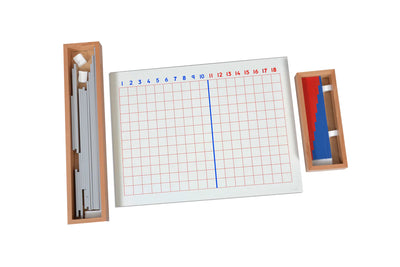
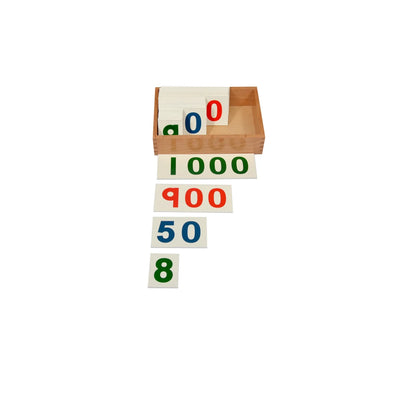
SkilloToys.com offers a curated range of high-quality, authentic Montessori method learning materials and toys for toddlers and young children in India. Our collection includes materials for practical life, sensorial, language, and early maths, all designed to support independent learning and development.
Embracing screen-free evenings with Montessori alternatives is a beautiful gift you can give your child – the gift of focused attention, independent discovery, and cherished family time. At SkilloToys.com, we are committed to supporting your journey in fostering holistic child development through thoughtfully designed educational toys and resources for Indian homes.