Sensitive Periods in Child Development: A Parent's Guide
As parents in India, we often marvel at our children's rapid learning, their intense focus on a particular task, or their sudden mastery of a new skill. One day they're babbling, the next they're forming full sentences! This isn't just growth; it's often the beautiful unfolding of what Dr. Maria Montessori called sensitive periods in child development. Understanding these powerful, fleeting windows of opportunity can transform how we support our little ones aged 0-6 years.
What Are Sensitive Periods?
Sensitive periods are distinct, temporary phases during a child's early life (0-6 years) when they possess an intense, unconscious drive to acquire particular skills or knowledge. During these times, children are uniquely receptive to specific stimuli in their environment, absorbing information and abilities with remarkable ease and joy. It's as if their minds are specially tuned to learn certain things, making these periods crucial for optimal development.
Think of it like a spotlight moving across a stage. When the light shines on 'language', the child's entire being is geared towards language acquisition. When it moves to 'order', they crave routine and predictability. Missing these sensitive periods doesn't mean a child won't learn, but it means they will likely have to expend much more effort later to acquire the same skill.
Recognising the Magic: Key Sensitive Periods
Observing your child closely will reveal these developmental surges. Here are some common sensitive periods and how you can support them:
The Sensitive Period for Order (0-3 years)
Have you noticed your toddler insisting on the same routine every morning, or getting upset if a book is out of place? This is the sensitive period for order. Children at this age crave a predictable environment and knowing where things belong. This works because an external sense of order helps them build an internal sense of security and structure. Parents can support this by creating a 'prepared environment' where every toy has a designated spot, just like how we keep our puja items neatly arranged in Indian homes.
In smaller Indian apartments, establishing a 'place for everything' can be challenging but is incredibly beneficial. Simple shelves, baskets, and clear expectations help. Explore our range of Montessori Method learning materials which are designed to support a child's need for order through organised presentation.
The Sensitive Period for Language (0-6 years)
From cooing and babbling to forming complex sentences and understanding stories, the drive to acquire language is profound. Indian children often grow up in multilingual homes, exposed to Hindi, English, and regional languages from birth. This period allows them to absorb these diverse linguistic patterns effortlessly.
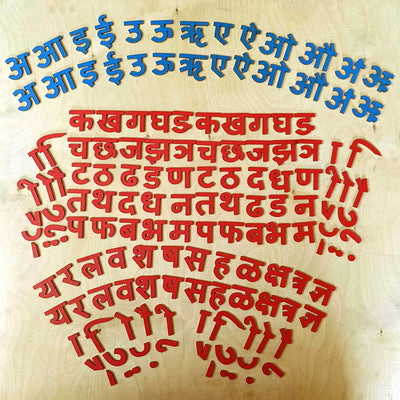
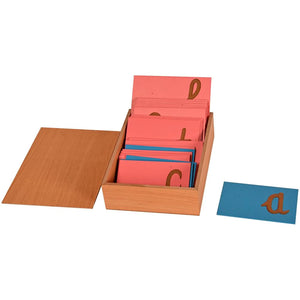
Parents can enrich this period by speaking clearly, reading aloud daily, singing rhymes, and engaging in conversations. Montessori materials like Sandpaper Letters and the Movable Alphabet are excellent educational toys for toddlers that provide a tactile, sensory pathway to phonics and early literacy, making Montessori learning activities for language highly effective.
The Sensitive Period for Movement (0-6 years)
From the moment they learn to crawl, children are driven to move, explore, and master their bodies. This sensitive period encompasses both gross motor skills (running, jumping, climbing) and fine motor skills (grasping, manipulating small objects). Whether it's playing galli cricket with older siblings or helping Dadi roll out rotis, movement is essential for physical and cognitive development.
Provide opportunities for safe, purposeful movement. Practical life activities like pouring water, sweeping with a child-sized broom, or transferring grains are fantastic Montessori learning activities that refine fine motor skills and coordination, crucial for developing child development India.
The Sensitive Period for Small Objects & Sensory Exploration (1-4 years)
Does your child meticulously pick up tiny specks from the floor or spend ages examining a single grain of rice? This intense focus on small details is characteristic of this sensitive period. They are developing their visual discrimination and fine motor control, crucial for later writing and intricate tasks.
Offer safe, small objects for exploration, perhaps different types of pulses, buttons, or natural items found in the garden. Sensory bins with various textures like sand, water, or even traditional spices (under supervision) can be incredibly engaging and stimulating for this period. Remember to always ensure safety with small parts.
The Sensitive Period for Grace & Courtesy (2.5-6 years)
This is when children keenly observe and internalise social norms, manners, and polite interactions. In the context of Indian joint families and community festivals, children naturally absorb how to greet elders, share food during celebrations, or politely ask for things. They are literally constructing their social self.
Modelling respectful language and actions, teaching simple phrases like 'namaste', 'thank you', and 'please', and practicing table manners become highly effective during this time. Offering opportunities for your child to interact respectfully with others, like helping to serve guests, reinforces these crucial social skills.
Understanding these sensitive periods allows us to provide a richer, more supportive environment for our children, catering to their innate developmental drives. It's about following the child, offering the right opportunities at the right time, and watching them blossom.
Key Takeaways for Parents
- Sensitive periods are specific, temporary windows of intense learning in early childhood (0-6 years).
- They are driven by an unconscious inner guide, making learning effortless and joyful for the child.
- Recognising these periods helps parents provide a 'prepared environment' tailored to their child's current developmental needs.
- Montessori materials and activities are specifically designed to align with and nurture these sensitive periods.
- Observing your child's fixations, repetitive actions, and intense interests is key to identifying their current sensitive period.
- Nurturing these periods fosters deep learning, concentration, and a love for exploration.
Frequently Asked Questions About Sensitive Periods
How can I identify my child's current sensitive period?
Observe your child's intense interests and repetitive behaviours. Are they constantly sorting objects, asking 'what's that?', or fascinated by tiny details? These persistent interests often signal an active sensitive period.
What if I miss a sensitive period?
While sensitive periods are optimal learning windows, missing one doesn't mean permanent damage. Children can still learn those skills later, but it might require more conscious effort and less natural joy than if addressed during the peak period.
How do Montessori materials support sensitive periods?
Montessori materials are precisely designed to meet the specific needs of each sensitive period. For instance, the Pink Tower supports order and visual discrimination, while practical life tools cater to movement and independence, offering concrete experiences for abstract concepts.
Can sensitive periods explain 'difficult' behaviour?
Often, yes! A child acting 'difficult' might be signalling an unmet developmental need related to a sensitive period. For example, a child craving order might become frustrated if their environment is chaotic, leading to tantrums.
At SkilloToys.com, we believe in empowering Indian parents with knowledge and resources to nurture their child's natural curiosity. Our thoughtfully curated Montessori educational toys are designed to align perfectly with these sensitive periods, supporting your child's unique journey of discovery.