Stop Yelling, Stay Calm: Montessori Tools for Indian Parents
It's 6 PM. The aroma of dinner wafts through your Bengaluru apartment, but your child is having a meltdown because their train isn't moving, and your patience is wearing thin. You're not alone. Many Indian parents juggle demanding schedules, joint family dynamics, and the constant hum of city life, often finding themselves at their wit's end, resorting to yelling. But what if there was a gentler way? This post explores how to stop yelling and stay calm using Montessori parenting tools, specifically designed to fit the unique rhythm of Indian homes.
Montessori parenting for a calm home is about creating an environment that respects the child's innate drive for independence and self-discovery, thereby reducing friction and power struggles. This approach works because it shifts the focus from controlling behaviour to understanding its root cause, empowering both parent and child. Parents can implement practical strategies that foster cooperation, peace, and mutual respect, turning chaotic moments into learning opportunities.
Understanding the Roots of Yelling in an Indian Home
In our bustling Indian households, with grandparents offering advice, festivals bringing joyous chaos, and often smaller living spaces, triggers for yelling can be numerous. Overstimulation, a child's unmet needs, or simply a parent's own exhaustion often lead to frustration. Montessori offers a framework to identify these triggers and respond thoughtfully, rather than react impulsively. It encourages us to observe our children and ourselves.
Creating a Prepared Environment, Desi Style
A cornerstone of Montessori is the 'prepared environment.' For Indian homes, this doesn't mean a complete overhaul, but thoughtful adaptations. Can your child reach their water bottle? Are their clothes organised in a low drawer? A prepared environment for Montessori at home India means creating an accessible, ordered space that encourages independence. Even in a small apartment, designate a 'yes space' where your child can explore safely, reducing the need for constant 'no's' and resulting tantrums.
Consider simple, local materials. A low shelf for books, a small mat for activities, or a child-sized broom for sweeping up after play. These small changes empower children to engage meaningfully with their surroundings, fostering self-reliance and reducing instances of disruptive behaviour that often stem from a lack of constructive engagement.
The Power of Practical Life: Hands-On Learning
Children, especially toddlers, thrive on purpose. Maria Montessori observed that children have an inherent desire to participate in real-life activities. In an Indian context, this means involving them in everyday tasks like helping sort lentils, watering plants in the balcony, or setting out small plates for dinner. These are invaluable practical life Montessori materials, building concentration and coordination.
When children are engaged in meaningful work, they are less likely to seek attention through negative behaviours. Offering choices within boundaries – 'Would you like to help me peel peas or wipe the table?' – gives them a sense of control, a powerful tool for preventing meltdowns. These 'Montessori learning activities' are not just chores; they are foundational to a child's development, building confidence and contributing to the family unit.
Communicating with Respect: Beyond Commands
Instead of shouting commands, Montessori encourages respectful communication. Get down to your child's eye level. Use clear, concise language. 'Please put your toys in the basket' is more effective than 'Why is this room always a mess?!' Acknowledge their feelings – 'I see you're frustrated that your tower fell.' This validates their emotions and teaches them to identify their feelings, a crucial aspect of child development India.
When you feel the urge to yell, pause. Take a deep breath. Ask yourself: What is my child trying to communicate? Am I meeting their need for attention, connection, or independence? Often, a gentle touch or a moment of focused attention can de-escalate a situation far more effectively than a raised voice. This mindful approach helps both parent and child regulate emotions.
Nurturing Independence with Purposeful Play
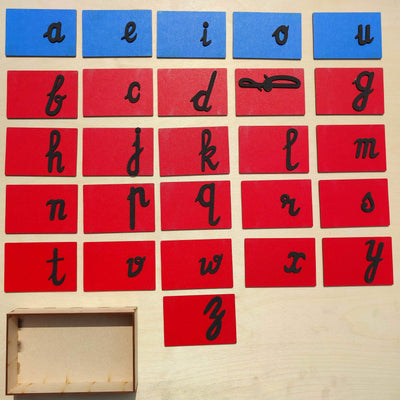
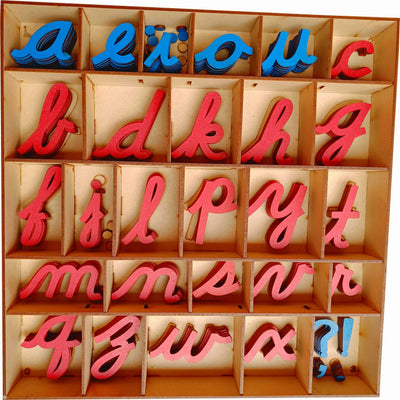
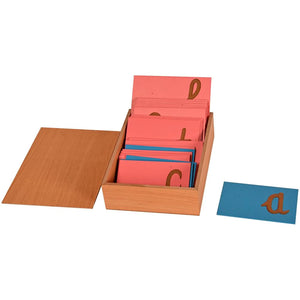
Providing purposeful educational toys for toddlers, such as those found in Montessori classrooms, can significantly reduce frustration. Materials like wooden puzzles, stacking blocks, or lacing beads are designed for self-correction and foster concentration. When a child can successfully complete a task independently, their self-esteem grows, and the need for parental intervention (and potential conflict) decreases.
Remember that a child's 'misbehaviour' is often a communication of an unmet need or a developmental stage. A toddler pulling books off a shelf isn't being 'naughty'; they might be exploring gravity or seeking sensory input. Offering appropriate outlets, like a basket of soft scarves to pull out or a small ball to roll, can redirect this energy constructively.
Embracing Imperfection: A Parent's Journey
Implementing Montessori parenting in a busy Indian home is a journey, not a destination. There will be days when you yell, despite your best intentions. The key is to forgive yourself, reflect on what triggered the reaction, and recommit to your calm parenting goals. Children learn by observing, so model self-regulation and gentle communication, even when you make mistakes.
Involving the whole family, including grandparents, can also be beneficial. Explain the 'why' behind Montessori principles – the respect for the child, the development of independence. While it might take time, a united approach creates a more consistent and peaceful environment for everyone.
Key Takeaways for Calm Montessori Parenting
- Observe, Don't React: Understand the root cause of your child's behaviour before responding.
- Prepare the Environment: Adapt your Indian home to be child-friendly and accessible, fostering independence.
- Engage in Practical Life: Involve children in daily tasks, giving them purpose and building skills.
- Communicate Respectfully: Use clear, gentle language at eye level; validate feelings.
- Provide Purposeful Materials: Offer educational toys that encourage independent learning and concentration.
- Practice Self-Compassion: Forgive yourself for slips and continue to learn and grow as a parent.
Frequently Asked Questions About Montessori Parenting
Can Montessori principles work in a joint family setup?
Absolutely. Montessori's emphasis on respect and clear communication can be incredibly beneficial in a joint family. Focus on creating a consistent 'yes space' for the child and explain the benefits of independent play and practical life tasks to other family members.
What if my child doesn't respond to gentle parenting?
Consistency is key. It takes time for children to adapt to new approaches. Ensure your expectations are age-appropriate and that you are meeting your child's developmental needs. Sometimes, a child's 'non-response' is a cry for a different kind of connection or a need for more independence.
How can I manage my own stress to avoid yelling?
Self-care is paramount. Take short breaks, practice mindfulness, or engage in activities you enjoy. Remember, you cannot pour from an empty cup. Recognising your own triggers and having strategies to manage them, like stepping away briefly or deep breathing, is crucial.
Are Montessori toys really necessary to stop yelling?
Montessori toys, or 'materials,' are designed to support a child's natural development and independence, which can reduce frustration for both child and parent. While not strictly 'necessary' in every sense, they provide structured opportunities for learning and engagement, which significantly contributes to a calmer home environment.
Embracing Montessori principles can transform your parenting journey, helping you to connect with your child more deeply and cultivate a peaceful, respectful home. For a wide range of authentic Montessori materials and educational toys that support this journey, explore SkilloToys.com.