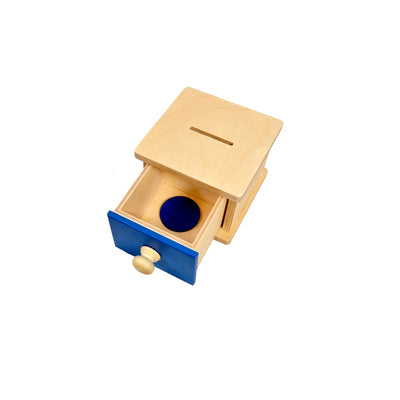
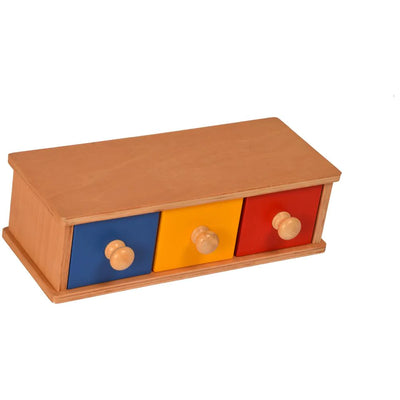
Tracking Child Progress Montessori Way: No Tests Needed
As Indian parents, we often grow up with a very clear idea of what 'progress' looks like: tests, grades, and report cards. But in a Montessori environment, especially when you're nurturing a curious mind at home, these traditional markers simply don't exist. So, how do you truly understand your child's growth and learning journey? This post will guide you on how to track progress without tests the Montessori way, focusing on observation and understanding your child's natural development.
Montessori progress tracking isn't about ticking boxes or assigning scores; it's about deeply observing your child's engagement, concentration, and increasing independence. This works because it respects each child's unique developmental timeline and innate drive to learn. Parents can, therefore, become skilled observers, noting subtle yet significant strides in their child's cognitive, emotional, and motor skills.
The Art of Observation: Your Child's Natural Guide
In our busy Indian households, whether in a joint family setting or a small apartment, finding quiet moments can be a challenge. Yet, observation is the cornerstone of understanding Montessori development. Dr. Maria Montessori believed that a child reveals their true self and learning needs when given the freedom to choose and work undisturbed.
Daily Routines & Intentional Moments
Think of observation as a quiet presence, like a fly on the wall, rather than an active intervention. Notice how your child interacts with their environment, perhaps while helping their grandmother prepare ladoos, or engaging with their Montessori materials. Are they focused? Do they repeat an activity multiple times? Do they ask for help or try to figure things out independently?
These everyday moments are rich with data. Watching your child meticulously pour water from one small katori to another, or carefully arranging their blocks, tells you far more about their developing concentration and fine motor skills than any test ever could. These are their personal 'Montessori learning activities' unfolding naturally.
Milestones Beyond the Scorecard
Instead of looking for 'right' answers, a Montessori parent looks for signs of growth in areas like concentration, independence, self-correction, and order. For educational toys for toddlers, this means observing how they use them. Do they put the cylinders back in the knobbed cylinder block correctly after several tries? Do they persist with a puzzle until it's complete?
Documenting Discoveries, Not Deficiencies
While formal tests are out, keeping a simple observation notebook can be immensely helpful. Jot down dates and brief notes: "Aarav spent 20 minutes with the dressing frame, managed the buttons on his own today." Or "Myra successfully matched all the animal figurines to their cards." You can also use short videos or photos. This is about celebrating small victories and identifying areas where your child might need new challenges or different materials. This record becomes a beautiful story of your child's child development India, unique to them.
Share these observations with your spouse or grandparents; it helps everyone understand and support the child's learning journey without placing unnecessary academic pressure.
The Role of Materials in Self-Assessment
One of the brilliant aspects of Montessori education is that the materials themselves are designed for self-correction. The Pink Tower will topple if not built correctly. The cylinders in the knobbed blocks only fit in one specific hole. When working with Montessori Language Materials like Sandpaper Letters, children quickly realise if they've formed a letter incorrectly because it doesn't feel right.
This built-in feedback mechanism empowers children. They don't wait for an adult to tell them they've made a mistake; they discover it themselves and correct it. This fosters problem-solving skills and resilience, crucial for learning and growing. Observing your child's interaction with these materials gives you direct insight into their understanding and developing skills. This is vital for any parent embracing Montessori at home India.
Fostering Concentration & Independence
True progress in Montessori is often seen in a child's ability to concentrate for longer periods, to work independently, and to take pride in their completed work. When your child independently tidies up their workspace after an activity, or is so engrossed in a task that they don't notice the sounds around them, these are clear indicators of development and 'normalisation' – a state of joyful, purposeful work described by Dr. Montessori.
Focus on these qualitative shifts rather than quantitative scores. Your child's growing confidence, their joy in discovery, and their increasing ability to manage tasks for themselves are the most meaningful forms of progress.
Key Takeaways for Montessori Progress Tracking
- Observe Actively: Dedicate time to watch your child's engagement with their environment and materials without interruption.
- Look for Internal Growth: Prioritise concentration, independence, self-correction, and inner discipline over memorisation or quick answers.
- Document Simply: Use a notebook, photos, or brief notes to capture milestones and interests, focusing on positive development.
- Utilise Self-Correcting Materials: Trust the Montessori materials to provide immediate feedback to your child, fostering autonomy.
- Celebrate Small Victories: Acknowledge persistence, effort, and growing capabilities as true indicators of learning.
- Connect to Real Life: Observe how Montessori principles translate into everyday independence, like dressing themselves or helping with household chores.
Frequently Asked Questions
What is 'normalisation' in Montessori, and how do I spot it?
'Normalisation' refers to a child's state of deep concentration, purpose, and self-discipline when freely engaged in meaningful work. You can spot it when your child is deeply focused, repeats activities with joy, chooses purposeful work, and shows calmness and contentment.
How often should I observe my child's progress?
Regular, short observations are more effective than infrequent, long ones. Try to set aside a few minutes each day or every other day to simply watch your child work. You can also make quick notes during everyday interactions.
What if my child isn't showing interest in a particular Montessori material?
Lack of interest can indicate that the material is either too challenging, too easy, or not currently meeting a sensitive period. Observe if the material needs to be re-introduced differently, if a prerequisite skill is missing, or if it's simply not the right time for that particular activity.
Can I apply Montessori progress tracking to multiple children at home?
Yes, absolutely. The key is to observe each child individually. While their progress may look different, the principles of watching for concentration, independence, and interaction with their chosen activities remain the same for each child.
At SkilloToys.com, we believe in empowering Indian parents with the tools and knowledge to nurture independent, confident learners. Our curated range of Montessori educational toys supports this beautiful journey of discovery, without the pressure of traditional tests.