Wooden Toys vs. Plastic: Why Science Says Wood Wins for Kids
As Indian parents, we're constantly seeking the best for our children – from their first solid food to their first steps, and of course, their first toys. Walk into any toy store today, and you're greeted by a kaleidoscope of plastic. But for those exploring or practicing Montessori at home, a different question often arises: what truly supports optimal growth? There's a fascinating science behind why wooden toys beat plastic for child development, offering a depth of engagement that plastic simply can't match.
Montessori at home in India is all about creating an intentional, enriching environment for your child's natural development. This philosophy champions purposeful materials that engage the senses and encourage independence. It’s not just about aesthetics; it's about providing tools that aid concentration, refine motor skills, and foster a genuine love for learning. When we choose toys, we’re not just picking playthings; we’re selecting tools for growth.
The Sensory Symphony: Why Wood Engages More Than Plastic
Think about the difference in touch: a smooth, cool wooden block versus a lightweight, uniform plastic one. Wooden toys offer a profound sensory experience. Their varied textures, natural weight, and even subtle scent engage multiple senses simultaneously, providing richer input to a child’s developing brain. This deep sensory engagement is crucial for cognitive development, helping children build a clearer understanding of their physical world.
Plastic, while bright and often engaging, tends to be uniform in texture and temperature, offering less diverse sensory information. Montessori principles emphasise sensorial exploration as a foundation for all learning. Materials like our wooden educational toys naturally provide this depth, encouraging children to explore weight, balance, and texture, much like traditional Indian games of our childhood did with simple, natural elements.
Built to Last: A Legacy for Little Hands (and Planet Earth)
In many Indian homes, especially in joint families, items are often passed down through generations – a saree, a piece of jewellery, or even cherished toys. Wooden toys fit this tradition beautifully. They are inherently durable, designed to withstand years of play, drops, and adventures. This durability makes them not just a toy, but a potential heirloom, carrying memories from one sibling or cousin to the next.
Choosing wooden toys also aligns with a growing consciousness for sustainability, a value deeply rooted in Indian culture. Less waste, fewer plastics ending up in our landfills, and a connection to natural materials are all reasons why these toys are a better choice. For families living in smaller apartments, a few high-quality, long-lasting wooden toys can be far more valuable than a pile of quickly broken plastic ones, reducing clutter and promoting thoughtful consumption.
Sparking Creativity: The Power of Open-Ended Wooden Toys
Wooden toys are often simpler in design, providing a blank canvas for a child's imagination. A set of plain wooden blocks can become a towering temple, a bustling market, or a humble home for their favourite figurines. This open-ended nature works because it empowers children to direct their own play, fostering creativity, problem-solving skills, and independent thinking. Parents can observe their child's imagination blossom as they transform simple shapes into complex worlds, enriching their Montessori learning activities.
Many plastic toys, with their specific characters and functions, often dictate how a child should play, limiting their imaginative scope. Wooden toys, however, invite children to be the architects of their own play, developing crucial cognitive flexibility and narrative skills. This aligns perfectly with the Montessori philosophy of allowing the child to lead their own learning journey.
Safe & Sound: A Natural Choice for Tiny Explorers
Babies and toddlers explore the world with their mouths, making the safety of their toys paramount. High-quality wooden toys are typically finished with non-toxic, child-safe paints and oils, making them a much safer choice for little ones who are teething or simply curious. This peace of mind is invaluable for parents, especially when children are left to explore independently, a cornerstone of Montessori at home India.
The natural materials used in wooden toys minimise exposure to potentially harmful chemicals often found in some plastic alternatives. Choosing natural materials reflects a conscious decision to provide a healthier, safer environment for our children's delicate systems as they grow and develop.
Nurturing a Connection with Nature, Even Indoors
In bustling Indian cities, direct contact with nature can sometimes be limited. Wooden toys offer a subtle yet powerful way to bring a piece of the natural world indoors. The feel, smell, and even the imperfections of wood connect a child to the earth, fostering an innate appreciation for natural elements. This connection is vital for holistic child development India, instilling a sense of calm and grounding.
Maria Montessori herself emphasised the importance of connecting children to nature. Wooden toys serve as a tangible link, encouraging reverence for the environment and an understanding of where things come from. They are more than just playthings; they are silent teachers about the world around us.
Key Takeaways
- Sensory Engagement: Wooden toys offer rich, multi-sensory input crucial for brain development, unlike uniform plastic.
- Durability & Sustainability: They are built to last, promoting hand-me-down traditions and reducing environmental waste.
- Open-Ended Play: Their simple design encourages imagination, problem-solving, and child-led exploration.
- Safety First: Made from natural, non-toxic materials, they are safer for infants and toddlers who explore with their mouths.
- Nature Connection: Wooden toys foster an appreciation for the natural world, even in urban settings.
- Montessori Alignment: They perfectly support the principles of independence, concentration, and practical life skills.
FAQ: Wooden Toys and Child Development
Why are wooden toys better for brain development than plastic?
Wooden toys offer varied textures, weights, and temperatures, providing diverse sensory input that stimulates more areas of a child's brain. This rich sensory engagement helps develop neural pathways, improving cognitive functions and a deeper understanding of the physical world, which plastic's uniform nature often lacks.
Are wooden toys truly safe for infants and toddlers who mouth everything?
Yes, high-quality wooden toys are generally safer for infants and toddlers. They are typically made from natural woods and finished with non-toxic, child-safe paints, oils, or waxes, significantly reducing exposure to harmful chemicals that can sometimes be found in plastic alternatives.
How do wooden toys support Montessori learning activities at home India?
Wooden toys align perfectly with Montessori principles by being purposeful, natural, and open-ended. They encourage independence, concentration, and practical life skills through hands-on exploration. Their durable nature also makes them ideal for a prepared environment that fosters self-directed learning and respects the child's natural developmental pace.
What kind of wooden educational toys for toddlers should I look for?
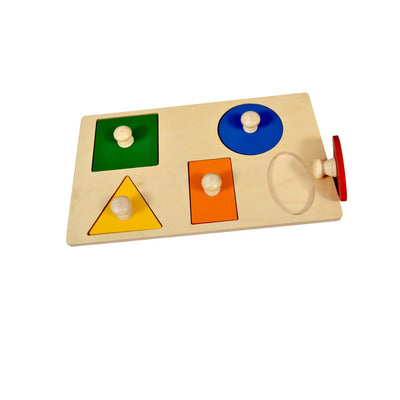
For toddlers, look for simple, sturdy wooden toys like stacking blocks, shape sorters, bead mazes, pull-along toys, and puzzles. These types of toys promote fine motor skills, hand-eye coordination, problem-solving, and imaginative play, offering foundational educational toys for toddlers that grow with them.
Choosing wooden toys for your child is a conscious decision to invest in their holistic development, aligning with both scientific principles and traditional wisdom. Explore our curated collection of Montessori-inspired wooden toys at SkilloToys.com and nurture a future generation of curious, confident learners.