Gross Motor Skills: Sports & Fitness for School Kids
Engaging in sports and fitness activities robustly enhances gross motor skills school children sports provide, by developing strength, coordination, balance, and agility essential for healthy physical development. Research shows that consistent physical activity during school years is critical for improving foundational movements like running, jumping, and throwing, directly contributing to better academic performance and overall well-being. Indian parents can empower their children by encouraging participation in age-appropriate sports, moving beyond just academics.
Gross motor skills involve the coordinated movements of large muscle groups, enabling actions like running, jumping, and balancing. This matters because strong gross motor development underpins physical independence and confident participation in daily life and sports. Indian parents can nurture these skills through consistent opportunities for active play.
Why Sports are Crucial for Gross Motor Development in School Children
Sports and fitness are not merely recreational; they are fundamental to a child's holistic growth. For school-aged children (roughly 6-12 years), these activities provide structured and dynamic environments to refine their physical abilities, which are still rapidly developing.
Child development experts agree that a diverse range of physical activities during these formative years builds a robust foundation for future physical and cognitive health. Neglecting this aspect can impact a child's confidence and overall engagement in school life.
Building Strength, Agility, and Balance
Every sport, from the fast-paced action of kabaddi to the precise movements of gymnastics, demands and develops specific physical attributes. Running in a cricket match builds leg strength, while balancing on one foot to throw a ball enhances core stability.
Studies indicate that children who engage in at least 60 minutes of moderate-to-vigorous physical activity daily exhibit superior gross motor skills and cognitive function. These activities sculpt strong muscles and bones, preparing children for the physical demands of adolescence and adulthood.
Enhancing Coordination and Proprioception
Sports are complex ballets of movement, requiring children to coordinate multiple body parts simultaneously. Whether it's catching a football, swinging a tennis racquet, or navigating an obstacle course, these actions fine-tune hand-eye and foot-eye coordination.
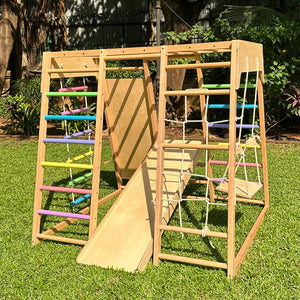
Proprioception, the body's sense of its position in space, is also significantly boosted. This internal awareness allows children to move confidently and safely, reducing the risk of injuries and enhancing their ability to learn new physical skills. Encourage activities that challenge these senses, like climbing and jumping, using our diverse gross motor skill toys.
Choosing the Right Activities: Youth Sports in India
The landscape of youth sports in India is evolving, with a growing recognition of its importance for child development. Parents have a wealth of options, from traditional games played in gully cricket to structured academy training.
As India Today highlights, play-based learning deserves equal footing with nutrition, underscoring the shift towards valuing physical development. Selecting activities that align with a child's interest and aptitude is key to sustained engagement.
Team Sports: Cricket, Football, Kabaddi
Team sports are excellent for developing a broad spectrum of gross motor skills, alongside crucial social and emotional competencies. Cricket refines throwing and catching, football builds stamina and agility, and kabaddi demands explosive power and strategic movement.
Participation in these sports also teaches teamwork, leadership, and resilience—skills invaluable beyond the playground. The camaraderie and shared goals in team settings often motivate children to push their physical boundaries.
"KhiladiPro" and Accessibility in Indian Schools
The recent focus on youth sports in India, exemplified by initiatives like KhiladiPro, which aims to bridge the youth sports gap by making fitness accessible to school children, is a positive development. This indicates a national push to integrate physical activity into children's daily lives more systematically.
Parents in Bengaluru and across India can leverage such programs or community sports clubs to ensure their children have opportunities for structured play. Even simple activities like a game of badminton in the apartment complex or a run in the park contribute immensely.
Individual Sports: Swimming, Cycling, Athletics
For children who prefer solo pursuits or wish to focus on specific physical disciplines, individual sports are an excellent choice. Swimming offers a full-body workout, enhancing cardiovascular health and muscular strength without impact on joints.
Cycling builds endurance and leg strength, while athletics—running, jumping, throwing—forms the very core of gross motor development. These activities foster self-discipline, goal setting, and a strong sense of personal achievement. Exploring toys that encourage independent physical activity can also support this, such as those found in our Montessori learning materials collection.
Montessori Principles in Movement and Fitness
Maria Montessori firmly believed that movement is integral to learning, not separate from it. Her philosophy, while often associated with early childhood, offers profound insights into fostering physical development in school-aged children as well.
The emphasis on freedom, purposeful activity, and a prepared environment directly translates to encouraging sports and fitness. This approach ensures children are active participants in their physical growth.
Freedom of Movement and Self-Direction
Montessori education prioritizes allowing children the freedom to move and explore their environment. In the context of sports, this means encouraging children to choose activities they genuinely enjoy, rather than forcing them into sports they dislike.
When children are self-directed in their play and fitness choices, they develop intrinsic motivation, leading to more consistent engagement and greater skill acquisition. This aligns with fostering a lifelong love for being active.
Prepared Environment for Physical Exploration
Just as a Montessori classroom is prepared to facilitate learning, a child's home and community environment should be prepared for physical exploration. This means providing safe spaces for play, access to sporting equipment, and opportunities for outdoor adventures.
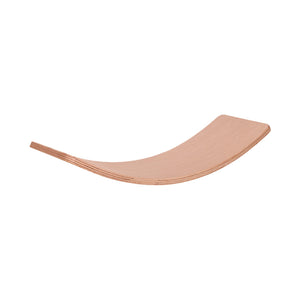
Parents can curate a home environment with simple gross motor tools, like balance boards or hopscotch mats, alongside fine motor skill toys for varied development. Grandparents and joint families often play a vital role here, encouraging active playtime after school, balancing academic pressures.
Integrating Fitness into Daily Life for School Kids
Beyond structured sports, integrating physical activity into everyday life is paramount. For many Indian families, daily routines can be hectic, but small changes can make a big difference in ensuring children remain active and develop their gross motor skills effectively.
According to a 2019 UNICEF report, physical activity is strongly linked to improved academic performance and reduced risk of chronic diseases in children. Making movement a natural part of daily life is essential for holistic growth.
Beyond Structured Sports: Play and Active Living
Not every child needs to be a competitive athlete. Simple, unstructured play like climbing trees, running around the park with friends, or helping with household chores that involve movement (like carrying groceries) are excellent ways to boost gross motor skills for 6-12 year olds. These moments are just as crucial as formal training.
Encourage traditional Indian games like gilli-danda or hide-and-seek, especially during festivals or family gatherings. These activities are not only fun but also naturally enhance agility, coordination, and stamina, without feeling like a chore.
Family Fitness and Community Engagement
Parents are the most influential role models. Engaging in physical activities as a family—be it a morning walk, a cycling trip on weekends, or even dancing during a festive celebration—sends a powerful message about the importance of fitness. Bengaluru's parks and community centers offer many opportunities for family engagement.
Joining community sports groups or simply encouraging neighborhood play fosters a sense of belonging and makes physical activity a social, enjoyable experience. This integrated approach ensures children grow up seeing fitness as an inherent part of a happy, healthy Indian lifestyle.
- Engaging in sports and fitness significantly develops gross motor skills, crucial for school-aged children's physical and cognitive health.
- Consistent physical activity improves strength, agility, balance, coordination, and proprioception in children aged 6-12 years.
- Youth sports initiatives in India are making fitness more accessible, bridging gaps in physical education and development.
- Montessori principles of freedom of movement and a prepared environment support self-directed physical exploration.
- Integrating physical activity into daily routines and family life is vital for sustained gross motor development beyond structured sports.
- At least 60 minutes of moderate-to-vigorous daily activity is recommended for optimal child development.
How much physical activity do school children need daily?
Child development experts recommend that school-aged children (6-17 years) engage in at least 60 minutes of moderate-to-vigorous physical activity every day. This daily engagement is crucial for optimal gross motor skill development and overall health.
Can academic pressure hinder physical development in Indian children?
Yes, intense academic pressure can inadvertently limit opportunities for physical play and structured sports, impacting gross motor development. Prioritizing play-based learning and fitness alongside studies is essential, as highlighted by recent discussions in India Today.
Are Montessori principles relevant for school-aged children's fitness?
Absolutely. Maria Montessori's emphasis on freedom of movement, a prepared environment, and self-directed activity remains highly relevant. These principles encourage children to explore their physical capabilities and develop skills at their own pace, fostering intrinsic motivation for fitness.
What are some accessible sports for children in Indian communities?
Many traditional Indian games like kho-kho and kabaddi, along with cricket, football, and cycling, are highly accessible. Initiatives like KhiladiPro are actively working to bridge youth sports gaps, making fitness more readily available to school children across India.
How can I encourage my child to be more active if they prefer screen time?
Start by integrating physical activities into family routines, like evening walks or active games during festivals. Offering choices in sports and focusing on the fun aspect, rather than competition, can significantly boost engagement and reduce screen dependency. SkilloToys offers resources to inspire active play.