In-Hand Manipulation Skills: Essential for Indian Child Development
In-hand manipulation skills are the complex ability to move and position objects within one hand, crucial for developing independence and academic readiness in children. Research from Southern India highlights the significance of these skills for overall child development, impacting everything from writing to self-care. These intricate fine motor abilities are often overlooked, yet they form the bedrock of a child's interaction with their environment.
For Indian parents, ensuring children develop strong hands and fingers is paramount for their journey through schooling and daily life. This guide will delve into what these skills entail, why they are so vital for our children, and how Montessori principles can provide a powerful framework for their development.
What Are In-Hand Manipulation Skills? A Core Fine Motor Skill
In-hand manipulation skills involve five distinct actions: translation, shift, rotation, and complex rotation. This matters because robust in-hand manipulation fosters independence in tasks like dressing and eating, and directly impacts academic success, especially handwriting. Indian parents can actively support this by providing diverse play experiences and Montessori-inspired activities.
These abilities allow children to hold a small item, such as a coin or a button, and move it from their palm to their fingertips without assistance from their other hand. Imagine a child picking up a single grain of rice, adjusting it between their thumb and forefinger, or rotating a crayon to use a fresh tip. These are all instances of highly refined dexterity in children, showcasing their growing control.
Child development experts agree that these skills are foundational. They are the precursor to more complex tasks, enabling precision and efficiency in daily activities. Without strong in-hand manipulation, tasks that seem simple to adults can become frustrating and difficult for young learners.
Why These Skills Matter for Indian Children's Development
The development of strong in-hand manipulation skills is critically important for child development India, influencing multiple facets of a child's life. From managing school demands to fostering independence at home, these fine motor skills lay the groundwork for future success and confidence.
Academic Readiness and School Performance
Studies indicate that well-developed in-hand manipulation skills in preschool predict better handwriting outcomes in primary school. As Indian children enter formal schooling, the pressure to write neatly and efficiently becomes significant. Skills like holding a pencil correctly, cutting paper, and turning book pages all rely heavily on refined in-hand manipulation.
Children with strong fine motor skills find it easier to adapt to the demands of the classroom, leading to reduced frustration and increased engagement. This aligns with the India Today report emphasizing why play-based learning deserves equal footing with nutrition, as early hands-on experiences directly prepare children for academic challenges.
Self-Care and Growing Independence
Mastering in-hand manipulation empowers children to become more independent in daily self-care tasks. Think about buttoning a kurta, zipping a school bag, or tying shoelaces – actions common in Indian households. These tasks require precise control over small objects and movements within one hand.
Children who can independently manage these tasks feel a greater sense of accomplishment and contribute more actively within joint family settings. Grandparents often encourage self-reliance, and these skills are key to children participating meaningfully in household routines and cultural practices.
Cognitive Development and Problem-Solving
Engaging in activities that demand in-hand manipulation also stimulates cognitive development. When a child manipulates objects, they are problem-solving, planning, and focusing their attention. This intricate interaction between hand and brain fosters critical thinking and concentration skills, essential for lifelong learning.
Montessori Principles for Fine Motor Skills Development
Maria Montessori's philosophy offers a rich, child-centric approach to enhancing fine motor skills development, especially in-hand manipulation. Her emphasis on practical life activities and sensorial materials provides purposeful opportunities for children to refine their hand movements naturally.
In a Montessori environment, children engage with materials designed to isolate specific skills, allowing for repeated practice and mastery. For instance, dressing frames teach buttoning, zipping, and lacing, directly improving dexterity and coordination. Transferring activities, such as pouring water or using tongs to move small objects, are fundamental Montessori fine motor activities that build precise hand control.
The knobbed cylinders, geometric insets, and other sensorial materials at SkilloToys.com's main collection are specifically crafted to encourage children to grasp, turn, and manipulate, strengthening their finger muscles and developing intricate control. These activities are not just play; they are purposeful work that prepares the hand and mind.
Actionable Activities & Educational Toys for Fine Motor Skills
Parents can actively support the development of in-hand manipulation skills through engaging activities at home, incorporating both everyday tasks and specially designed educational toys for fine motor skills. Creating a stimulating environment is key to fostering these vital abilities.
Everyday Play in Indian Homes
Many daily routines in Indian households offer fantastic opportunities for skill development. Encourage your child to help sort different types of dals or spices into separate containers, pick up small fallen beads, or string flowers for a puja garland. Assisting with kneading dough for chappatis provides excellent proprioceptive input and strengthens hand muscles, embodying the spirit of practical life skills.
Participating in festive preparations, like decorating with small items or helping to arrange bangles, offers culturally relevant and fun ways to practice these skills. The Times of India's emphasis on "5 fun tricks to supercharge fine motor skills" often includes such practical, hands-on approaches.
Montessori-Inspired Educational Toys
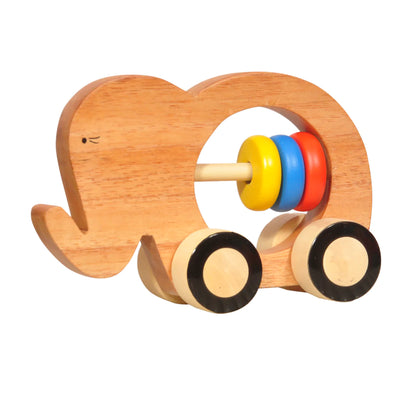
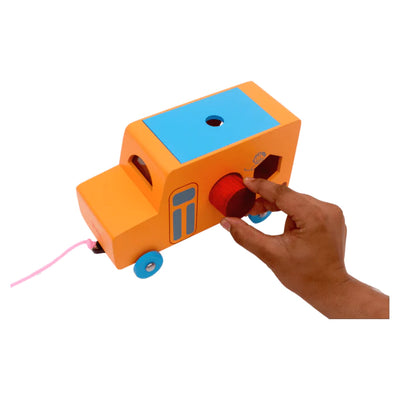
Investing in specific educational toys can provide targeted practice for in-hand manipulation. Look for items that require children to grasp, turn, twist, and position. Puzzles with small knobs, threading beads of varying sizes, lacing cards, and construction sets with connecting pieces are excellent choices.
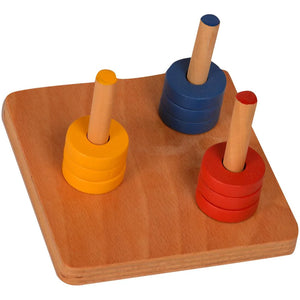
SkilloToys.com offers a curated selection of fine motor skill toys designed to promote dexterity and control. These toys, from stacking blocks to pegboards, allow children to engage in repetitive, purposeful movements that strengthen finger muscles and refine their ability to manipulate objects within a single hand.
Creative and Sensory Play
Activities like playing with clay, playdough, or kinetic sand are wonderful for building hand strength and control. These materials allow children to pinch, roll, flatten, and mold, all of which enhance in-hand manipulation. Drawing, painting, and cutting with child-safe scissors also offer significant benefits, improving hand-eye coordination and precision.
Milestones to Watch For
While every child develops at their own pace, there are general milestones for in-hand manipulation skills. Typically, a child begins to show basic translation skills around 18 months, progressing to simple rotation by 2-3 years, and complex rotation by 4-5 years. Observing your child's ability to pick up small objects, manage buttons, or manipulate crayons can give you insights into their development.
A recent study from Southern India underscores the direct correlation between proficient in-hand manipulation and a child's readiness for formal schooling and daily living tasks. If you notice persistent difficulties or a significant delay in your child's ability to perform age-appropriate fine motor tasks, consulting with a pediatrician or an occupational therapist can provide valuable guidance and support.
- In-hand manipulation skills are essential for children's independence and academic success.
- These skills involve complex movements within one hand: translation, shift, and rotation.
- Research from Southern India highlights the local relevance and importance of these fine motor abilities.
- Montessori practical life and sensorial activities are highly effective in fostering in-hand manipulation.
- Everyday Indian household tasks and targeted educational toys provide excellent practice opportunities.
- Early development of these skills significantly impacts a child's readiness for handwriting and self-care.
What is the primary age range for developing in-hand manipulation skills?
The primary age range for developing and refining in-hand manipulation skills is typically between 18 months and 6 years. During this crucial period, children actively explore and manipulate objects, progressively honing these complex hand movements.
How do in-hand manipulation skills impact a child's academic success?
In-hand manipulation skills significantly impact academic success by supporting critical tasks such as handwriting, drawing, and cutting with scissors. Strong dexterity allows children to comfortably hold and control pencils and other school supplies, reducing fatigue and improving performance.
Can everyday household activities help develop these skills?
Yes, everyday household activities are excellent for developing in-hand manipulation skills in Indian children. Tasks like sorting dals, stringing beads for rangolis, helping with chappati making, or even buttoning clothes provide natural, purposeful practice for fine motor control.
When should parents be concerned about their child's in-hand manipulation development?
Parents should consider consulting a professional if their child consistently struggles with age-appropriate fine motor tasks, such as difficulty with holding small objects, persistent dropping of items, or noticeable delays in self-care activities. Early intervention can effectively address potential challenges and support development.
What is the Montessori approach to developing in-hand manipulation skills?
The Montessori approach emphasizes practical life activities and sensorial materials to naturally foster in-hand manipulation skills. Activities like transferring objects, pouring water, buttoning dressing frames, and using knobbed cylinders are designed to isolate and refine specific hand movements, building dexterity and concentration.