Pincer Grip Activities for Babies & Toddlers: Summer Fun
As the Indian summer heat rolls in and schools close for the holidays, many parents are wondering how to keep their little ones engaged and developing indoors. This season is a perfect opportunity to focus on crucial developmental milestones, like the pincer grip. Mastering this tiny movement is a big step for your child’s independence, laying the foundation for everything from self-feeding to writing later on.
We understand the unique challenges of Indian parenting, from balancing joint family dynamics to making the most of urban apartment spaces. That’s why we’ve curated a list of practical, fun, and easy pincer grip activities for babies and toddlers that you can do right at home, often using everyday items.
Understanding the Pincer Grip: A Big Milestone
The pincer grip is the coordinated grasp between the thumb and forefinger, allowing a child to pick up small objects precisely. This essential fine motor skill typically develops between 8-12 months of age, evolving from a raking motion to a more refined, deliberate grasp. It’s critical because it enables self-feeding, encourages exploration, and prepares tiny hands for more complex tasks like holding a crayon or zipping up a jacket. Parents can actively support this development through consistent, gentle encouragement and age-appropriate activities that make learning feel like play.
Why Pincer Grip Matters for Your Child's Development
Beyond simply picking up objects, the pincer grip signifies a significant leap in baby hand development and overall cognitive growth. It demonstrates improved hand-eye coordination, strengthens the small muscles in the hand and wrist, and fosters problem-solving skills as children learn to manipulate different textures and shapes. For toddlers, refining this grip enhances their independence, making daily tasks like dressing and playing with smaller toys much easier and more satisfying.
Developing strong fine motor skills toddlers is also crucial for school readiness. Children with a well-developed pincer grasp often have an easier time with writing, drawing, and using classroom tools. Starting early with engaging activities during these formative years sets a positive trajectory for their future learning journey.
Engaging Pincer Grip Activities for Babies (6-12 months)
Here are some simple, safe activities perfect for strengthening your baby's pincer grip, especially beneficial during these summer months indoors.
1. Small Food Exploration (Dal, Ragi Balls)
Introduce safe, small food items that encourage picking. Cooked dal, small pieces of steamed carrot, soft ragi balls, or even tiny pieces of dosa can be excellent for this. Place a few pieces on their high-chair tray and let them experiment with picking them up. Always supervise closely to prevent choking hazards.
2. Fabric Play (Dupattas, Soft Cloths)
Offer crinkly cloths, small dupattas, or soft fabric scraps for your baby to explore. They will naturally try to pinch and pull at the edges, strengthening those finger muscles. You can hide a small toy underneath for an added element of surprise, encouraging them to grasp and reveal.
3. Stacking Rings & Blocks
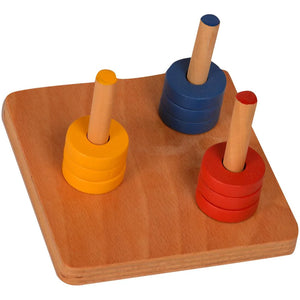
While larger stacking rings and blocks are often considered a gross motor activity, the act of picking up and placing smaller rings or blocks precisely uses the pincer grip. Encourage your baby to pick up individual rings from a pile and attempt to place them on a peg. Look for colorful, baby-safe options designed for fine motor development.
Fun Fine Motor Activities for Toddlers (1-3 years)
As your child grows, these indoor activities for 1 year old and beyond offer more complexity and engagement for refining their pincer grip and broader fine motor skills.
1. Cereal Threading or Pasta Sorting
Give your toddler some O-shaped cereal or uncooked pasta (like rotini or penne) and a thick string or pipe cleaner. Show them how to thread the cereal onto the string, an excellent exercise for hand-eye coordination and the pincer grasp. Alternatively, sort different pasta shapes into separate bowls, using their fingers to pick up each piece.
2. Pom-Pom Transfer with Tongs (Montessori Pincer Grasp)
Set up two bowls, one with colorful pom-poms or cotton balls and another empty. Provide child-safe tongs or even clothespins. Show your toddler how to transfer the pom-poms from one bowl to another using the tongs. This activity directly encourages a sophisticated Montessori pincer grasp, building strength and precision. This can be a wonderful, quiet activity for a hot afternoon.
3. Playdough & Clay Exploration (Chapatis, Modaks)
Homemade playdough or store-bought clay offers endless opportunities. Encourage your child to pinch off small pieces, roll tiny balls, or press designs. You can even make it culturally relevant by pretending to make mini chapatis or modaks, using their fingers to shape and decorate. This sensory play is fantastic for strengthening hand muscles.
4. Buttoning and Zipping Boards
Practical life activities are a cornerstone of Montessori education. Invest in or create a simple fabric board with various buttons, zippers, and buckles. Manipulating these fasteners requires a precise pincer grip and helps toddlers develop crucial self-dressing skills. This is particularly useful in joint families where children often want to mimic older siblings or cousins getting ready.
Creating a Montessori-Inspired Pincer Grasp Environment at Home
Even in urban Indian apartments, you can create a nurturing environment that encourages the Montessori pincer grasp. Focus on accessibility and simplicity. Have a designated 'work mat' or small table where your child can focus on one activity at a time. Rotate toys and materials regularly to maintain interest.
Consider traditional Indian elements: small bells from old temple decorations, smooth pebbles (cleaned and safe), or even sorting different types of whole spices (under strict supervision, of course!). These natural, tactile materials provide rich sensory experiences and encourage purposeful manipulation, strengthening those little fingers naturally.
Addressing Common Indian Parenting Challenges
We know Indian parents face unique pressures. Screen time is a pervasive challenge, especially during summer holidays. By offering engaging, hands-on activities, you provide a compelling alternative that truly benefits their development. Limited space in urban homes means creative storage solutions and multi-purpose play areas are key. In joint families, involving grandparents or older siblings in these activities can make them even more special and reinforce cultural bonds, turning developmental play into a shared family experience rather than an isolated task.
Key Takeaways
- The pincer grip is vital for self-feeding, independence, and future academic skills.
- Simple, everyday household items can be transformed into engaging pincer grip activities.
- Age-appropriate activities from 6 months to 3 years can progressively refine fine motor skills.
- Montessori principles emphasize practical life skills and purposeful manipulation.
- Integrating cultural context and addressing common challenges makes developmental play more effective for Indian families.
FAQ: Pincer Grip Development for Children
What is the pincer grip and why is it important for my child?
The pincer grip is the refined ability to pick up small objects using the tip of the thumb and forefinger. It's crucial for developing independence in self-feeding, dressing, and later for academic tasks like holding a pencil and writing, signifying significant fine motor progress.
At what age do babies typically develop a pincer grip?
Babies usually begin to develop the pincer grip between 8 to 12 months of age. Initially, it might be a raking motion, but with practice, it evolves into a precise, deliberate grasp, though every child's developmental timeline is unique.
How can I encourage pincer grip development if my child isn't showing interest?
Make it fun and low-pressure! Offer a variety of small, safe items to explore during playtime, like cooked pasta or small building blocks. Role-modeling by demonstrating how to pick things up, and praising their efforts (not just the outcome) can also boost their motivation. Consistency and patience are key.
Are Montessori toys essential for pincer grip development?
While Montessori toys are excellent for promoting fine motor skills, including the pincer grip, they are not strictly essential. The core Montessori philosophy encourages practical life activities using everyday objects. Many effective pincer grip activities for babies can be done with simple household items like dried beans (supervised!), fabric scraps, or small pieces of food, as long as they are safe and age-appropriate.