Screen-Free Habits: Boosting Kids' Brainpower
Harvard-backed screen-free habits for kids' brainpower are essential, as research definitively shows that engaging children in active motor play significantly enhances their cognitive development and overall brain function. This crucial insight, often highlighted in Indian media like The Times of India, empowers parents in Bengaluru and across India to nurture smarter, more resilient young minds. By prioritizing physical activity over digital distractions, we set a strong foundation for lifelong learning and well-being.
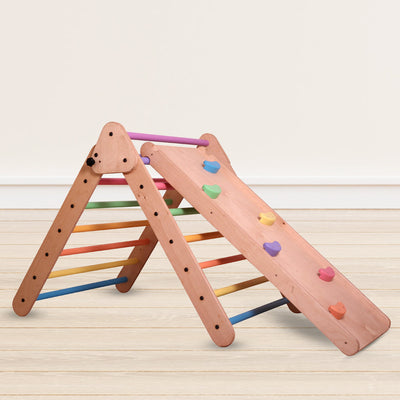
Motor play involves physical activities that engage both gross and fine motor skills, from running, climbing, and jumping to building with blocks, stringing beads, and drawing. This matters because it directly stimulates critical neural pathways in the brain, enhancing coordination, focus, and problem-solving abilities. Indian parents can proactively encourage this through structured playtimes and free exploration, using age-appropriate tools and everyday home activities.
Harvard's Insight: The Science Behind Screen-Free Brainpower
Research consistently indicates that excessive screen time can impede healthy brain development, particularly in early childhood. Conversely, Harvard research on kids' development emphasizes the profound benefits of screen-free habits, connecting active play directly to improved executive functions like working memory, self-regulation, and cognitive flexibility. This isn't just about limiting digital exposure; it's about actively replacing it with rich, interactive experiences.
Studies show that children engaged in varied physical activities develop more complex neural networks, leading to enhanced problem-solving skills and greater creativity. For Indian families, where screens often become a default distraction in busy households or during travel, understanding this scientific backing provides a powerful reason to intentionally foster screen-free environments. The quality of interaction during these formative years profoundly shapes a child's future learning capacity, echoing Maria Montessori's principles of hands-on learning.
Motor Play: Fueling Cognitive Development from Bengaluru to Bhopal
Motor play is a cornerstone of gross motor skill and fine motor skill development, directly impacting a child's cognitive growth. When a child stacks blocks, they're not just playing; they're learning about balance, spatial reasoning, and cause-and-effect. Similarly, running and climbing outdoors improve proprioception and vestibular sense, critical for balance and body awareness, which in turn support higher-level thinking.
Child development experts agree that activities like manipulating puzzles, drawing intricate patterns, or even stringing beads, available in many Montessori-inspired sets, significantly enhance fine motor skills. These precise movements strengthen the connection between the brain and hands, boosting concentration and preparing children for academic tasks like writing. This integrated approach to learning ensures that cognitive gains are organically linked to physical exploration, a philosophy deeply embedded in SkilloToys' offerings.
Screen Time Alternatives for a Brain Boost: Montessori-Inspired Habits
Cultivating screen-free habits doesn't mean parents must become entertainment directors; it means providing an environment rich with opportunities for exploration. Simple activities like building a fort with bedsheets, playing traditional Indian board games like carrom with grandparents, or engaging in pretend play with household items offer significant brain boosts. These screen time alternatives stimulate imagination and social-emotional skills.
Montessori-inspired practices, championed by SkilloToys, provide excellent frameworks for these habits. Offering open-ended materials like building blocks, puzzles, and sensory bins encourages independent exploration and problem-solving. Even simple tasks like helping to sort lentils in the kitchen or watering plants in the balcony can become powerful motor play activities, fostering a sense of contribution and refining practical life skills crucial for Indian homes.
The Lifelong Impact of Physical Activity on Brain Development
The benefits of physical activity extend far beyond early childhood, forming the basis for sustained physical activity and brain development throughout life. Research published in prominent journals highlights how regular movement enhances blood flow to the brain, supports the growth of new brain cells, and improves neuroplasticity, which is the brain's ability to adapt and learn. This translates to better academic performance, improved mood regulation, and enhanced resilience.
The emphasis on play-based learning, as highlighted by India Today, deserves equal footing with nutrition in child development. This approach prepares children not just for school, but for navigating a complex world, aligning with the evolving preschool education discussed in The Hans India. By instilling these habits early, parents in India are investing in their children's long-term cognitive health, ensuring they are well-equipped to face academic pressures and future challenges with strong, adaptable minds.
- Harvard research definitively links screen-free motor play to significant boosts in children's cognitive development and brainpower.
- Motor play, encompassing both gross and fine motor skills, directly stimulates neural pathways essential for executive functions like memory and problem-solving.
- Limiting screen time and actively promoting physical, hands-on activities is crucial for optimal brain architecture in early childhood.
- Montessori-inspired toys and activities offer excellent screen-free alternatives, fostering independence, concentration, and fine motor precision.
- Regular physical activity enhances blood flow to the brain, supports neuroplasticity, and leads to long-term cognitive benefits beyond academic success.
- Integrating traditional Indian games and daily chores into a child's routine provides culturally relevant opportunities for motor skill development.
How do screen-free habits improve brain development?
Screen-free habits promote active engagement in physical and sensory play, which directly stimulates neural growth and strengthens cognitive functions like attention, memory, and problem-solving. This active participation builds essential brain architecture far more effectively than passive screen consumption.
What is the role of motor play in cognitive development?
Motor play is fundamental for cognitive development as it integrates physical movement with brain activity, fostering coordination, spatial awareness, and executive functions. Activities like building, balancing, and manipulating objects directly enhance problem-solving skills and critical thinking in children.
At what age should parents focus on screen-free habits?
Parents should begin fostering screen-free habits from infancy, ideally eliminating screens for children under two years old, as recommended by pediatric associations. For older children, establishing consistent screen-free routines during crucial developmental years (0-6 years) is paramount for optimal brain growth.
Can Montessori toys support screen-free brain boosting?
Yes, Montessori toys are specifically designed to support screen-free brain boosting by encouraging hands-on exploration, sensory engagement, and independent problem-solving. Materials like the Pink Tower or Sandpaper Letters promote concentration and fine motor skills, directly contributing to cognitive development.
How can Indian parents integrate motor play into daily routines?
Indian parents can integrate motor play by encouraging traditional games like kho-kho or gilli-danda, involving children in household chores like kneading dough, or setting up simple obstacle courses in the garden. Utilizing local resources and inviting grandparents to share their childhood games also makes it culturally relevant and engaging.