Malayalam Spelling: Easy Ways to Teach Preschoolers
Teaching malayalam spelling to preschoolers (3-5 years) is most effective when approached through playful, sensory-rich activities that integrate into daily life. Parents can begin by introducing familiar Malayalam words for kids through sound games and tactile materials, fostering an early love for the language.
What is Early Malayalam Spelling for Preschoolers?
Early Malayalam spelling for preschoolers involves recognizing letter sounds, understanding how letters combine to form simple words, and beginning to build basic vocabulary. This matters because it lays a crucial foundation for literacy, enabling children to read and write confidently as they enter school. Indian parents can actively foster this by creating a language-rich environment at home.
Why Early Malayalam Literacy Matters for Indian Children
Child development experts agree that early literacy in one's mother tongue significantly boosts cognitive development and cultural identity. For children in Bengaluru and across India, developing early Malayalam skills connects them deeply to their heritage and prepares them for the diverse linguistic landscape of our nation. UNICEF research highlights the importance of mother-tongue instruction in early childhood education, showing improved learning outcomes and reduced dropout rates.
In homes where Malayalam is spoken, encouraging early literacy strengthens familial bonds, especially with grandparents who often share stories and traditions in their native language. This linguistic foundation supports overall school readiness, providing children with a distinct advantage in navigating academic challenges while cherishing their cultural roots.
Practical Strategies to Teach Malayalam Spelling to Preschoolers (3-5 Years)
Parents often seek engaging methods to help their little ones grasp foundational language skills. These practical strategies focus on making learning interactive and fun, turning potential challenges into joyful discovery for children aged 3 to 5 years.
Start with Familiar Malayalam Words for Kids
Research shows that children learn best when new concepts are linked to what they already know. Begin by introducing common Malayalam words for kids that are part of their daily life – names of family members like Amma (അമ്മ) or Achan (അച്ഛൻ), favourite foods like Appam (അപ്പം) or Idli (ഇഡ്ഡലി), or common objects around the house. Use these words as building blocks for initial spelling lessons.
Point out the letters as you say the word, perhaps even writing it down. For instance, when asking for 'neeru' (നീര് - water), you can slowly articulate each sound and show the written word. This contextual learning helps children connect sounds to letters and understand that words are made of individual components.
Engage with Sensory Malayalam Word Building Activities
Maria Montessori's philosophy emphasizes sensory learning, which is particularly effective for this age group. Materials like sandpaper letters allow children to trace the shape of Malayalam letters, engaging their tactile sense while associating it with the sound. This multi-sensory approach solidifies letter recognition far more effectively than rote memorization alone.
Once individual letters are familiar, introduce a movable alphabet. This crucial Montessori material empowers children to physically construct malayalam word building by arranging letter cut-outs to form words they know. It's a powerful hands-on method for them to experiment with spelling before they master writing, available among our Montessori Method Learning Materials.
Playful Malayalam Spelling Games and Puzzles
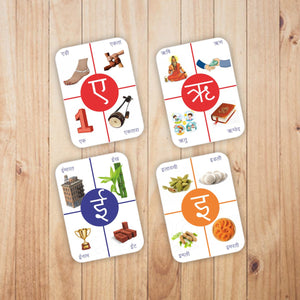
Learning through play is paramount for preschoolers. Transform spelling into a game by creating flashcards with simple Malayalam words and their corresponding pictures. Ask your child to match the word to the picture, or to spell out the word using magnetic letters on a fridge.
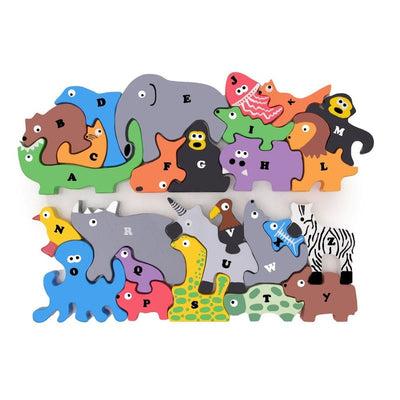
Simple puzzles where children fit letter pieces together to form a word are excellent for developing both fine motor skills and early literacy. Word bingo or 'I Spy' using Malayalam words are also fantastic for reinforcing recognition in a fun, pressure-free environment.
Create a Malayalam-Rich Home Environment
An immersive language environment is invaluable for language acquisition. Research indicates that children exposed to rich linguistic input from an early age develop stronger vocabulary and literacy skills. This means regularly speaking Malayalam at home, reading Malayalam storybooks aloud, and listening to Malayalam songs and rhymes.
In many Indian joint families, grandparents are wonderful storytellers. Encourage them to share traditional Malayalam tales and folklore, pointing out words as they read. This natural exposure significantly enhances a child's understanding and fluency, preparing them to teach malayalam words to themselves as they grow.
Consistency and Patience in Malayalam Early Literacy
Consistency is key when teaching young children. Dedicate short, regular periods each day to language activities rather than long, infrequent sessions. Remember that every child develops at their own pace; some might pick up malayalam early literacy faster than others.
Celebrate small successes, like correctly identifying a letter or spelling a two-letter word. Your encouragement and positive reinforcement will build their confidence and foster a positive attitude towards learning. Avoid pressure, as it can be counterproductive for this age group, who are also navigating big personalities and growing independence.
Choosing the Right Montessori Materials for Malayalam Learning
Selecting appropriate educational tools significantly enhances the learning process. For teaching Malayalam, consider materials that support tactile and visual learning, mirroring the Montessori approach to concrete understanding.
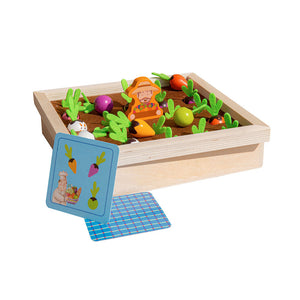
For instance, specialized activity kits designed for language development often include picture cards, alphabet tiles, and simple word-building exercises tailored for Indian languages. These kits allow children to manipulate and interact with letters and words, making abstract concepts tangible. Tools like letter tracing boards with Malayalam script also offer an excellent way to prepare children for writing by strengthening fine motor skills and muscle memory.
- Introducing malayalam spelling through play and sensory activities is highly effective for preschoolers aged 3-5 years.
- Child development experts confirm that early mother-tongue literacy significantly boosts cognitive development and cultural connection.
- Montessori materials like sandpaper letters and the movable alphabet are proven tools for tactile Malayalam word building.
- Creating a Malayalam-rich home environment, including storytelling by grandparents, enhances language acquisition and cultural identity.
- Consistent, pressure-free learning sessions, focusing on familiar words, are crucial for fostering a positive attitude towards Malayalam early literacy.
- Research shows that incorporating familiar daily words as learning anchors significantly aids in children's language retention and comprehension.
At what age should I start teaching Malayalam spelling?
Child development experts recommend introducing pre-literacy skills, including letter recognition and phonics, around 3-4 years old. Formal Malayalam spelling can begin with simple, familiar words as soon as a child shows interest in letters and sounds.
How can I make learning Malayalam spelling fun for my child?
Engage children with playful activities like using movable alphabet letters, creating spelling games with flashcards of familiar items, and singing rhyming songs. Incorporate stories and daily conversations in Malayalam to make learning natural and enjoyable.
What are some effective Montessori materials for Malayalam word building?
Montessori-inspired materials like sandpaper letters help children learn letter shapes and sounds through touch. The movable alphabet is particularly effective for Malayalam word building, allowing children to physically construct words before they can write.
My child mixes English and Malayalam words. Is this normal?
Yes, code-switching or mixing languages is a normal and healthy part of bilingual development in young children. Research indicates it shows strong linguistic awareness and does not hinder language acquisition; rather, it's a sign of their developing fluency.
How can grandparents help with Malayalam early literacy?
Grandparents play a vital role by sharing stories, singing traditional songs, and engaging in daily conversations exclusively in Malayalam. Their rich vocabulary and storytelling traditions provide an immersive and culturally resonant learning experience for children.