Safe Educational Toys as Gifts: An Indian Buying Guide
Choosing safe educational toys as gifts for Indian children is paramount, directly influencing their development and well-being. This guide empowers gift-givers to make informed, thoughtful choices that prioritise both safety and learning outcomes for young recipients across India.
Gifting toys to Indian children means balancing joy with essential considerations like material safety, age-appropriateness, and developmental value. By understanding these factors, you ensure your present is not only cherished but also significantly contributes to a child’s holistic growth.
What Are Safe Educational Toys as Gifts?
Safe educational toys as gifts are carefully selected playthings designed to stimulate a child's learning and development while meeting stringent safety standards. This matters because children learn through play, and safe materials prevent harm, fostering an environment where curiosity thrives. Indian parents can confidently choose gifts that enrich their child's early years.
Why Prioritise Safety and Education in Indian Gifting?
Prioritising safety and education in Indian gifting reflects a deep understanding of child development and a commitment to their future, making them truly thoughtful toy gifts India cherishes. In Indian homes, where joint families often mean children of various ages play together, ensuring a toy is free from choking hazards or toxic materials is crucial for everyone's peace of mind.
Research indicates that over 70% of Indian parents actively prioritise toy safety and educational value when making purchasing decisions, highlighting a strong consumer awareness. This growing focus ensures that toys do more than entertain; they contribute meaningfully to a child's cognitive, physical, and emotional growth, aligning with Montessori principles of holistic development.
Furthermore, with initiatives promoting 'Made in India' products, brands like SkilloToys are leading the way in creating high-quality, sustainable options. This shift allows gift-givers to support local businesses while ensuring they choose thoughtful, environmentally conscious toys for their loved ones. The recent emergence of Indian brands making sustainable toys also highlights a growing local commitment to both safety and eco-friendliness.
Decoding Age-Appropriateness: Thoughtful Gifts for Every Stage
Understanding age-appropriateness is foundational for selecting educational gifts for Indian children, ensuring the toy matches their developmental stage. Maria Montessori emphasised sensitive periods, where children are naturally receptive to specific types of learning, making age-appropriate gifts particularly impactful.
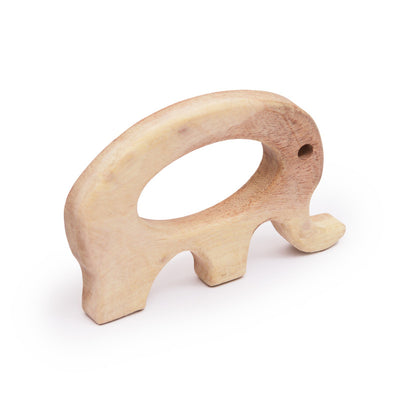
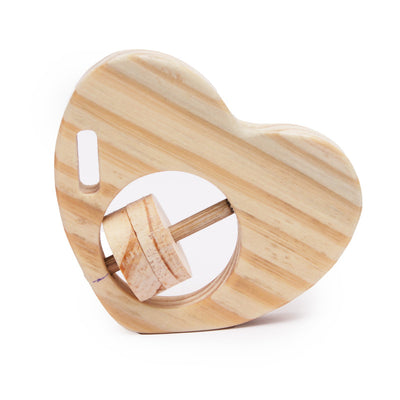
For infants (0-12 months), focus on sensory development. Soft rattles, unbreakable mirrors, and high-contrast picture cards engage their developing senses safely. As they approach toddlerhood (12-24 months), simple wooden stacking rings or push-and-pull toys promote gross motor skills and object permanence.
Children aged 2-4 years benefit from toys that foster independence and practical life skills. Look for activityKits that involve sorting, matching, or simple puzzles. These activities align with Montessori's focus on concentration and fine motor development, preparing them for more complex tasks. Discover a wide range of developmentally appropriate materials in our Montessori Method Learning Materials collection.
For preschoolers (4-6 years), construction sets, pretend play items, and early literacy materials like sandpaper letters encourage creativity and foundational academic skills. Choosing age-appropriate gifts for kids India is about meeting them where they are developmentally, not just entertaining them.
Material Matters: Ensuring Non-Toxic and Durable Choices
The materials used in toys directly impact gifts for kids safety India, making material selection a critical step for discerning gift-givers. Non-toxic, durable materials are paramount, especially given that young children often explore toys orally and can be quite active in their play.
Child development experts agree that natural materials like solid wood, organic cotton, and metals (where appropriate) are superior choices. These materials are generally free from harmful chemicals like phthalates, BPA, and lead, which can be found in cheaper plastics and paints. Always check for certifications like BIS (Bureau of Indian Standards) or EN71 (European Safety Standard) markings, which indicate adherence to safety protocols.
Avoid toys with sharp edges, small detachable parts (for children under three), or strong chemical odours. Research suggests that prolonged exposure to certain chemicals in toys can have long-term health implications, reinforcing the need for vigilance. Opt for brands that clearly state their material composition and safety testing processes, ensuring peace of mind.
The SkilloToys Difference: Educational Gifts for Indian Children
SkilloToys stands as a beacon for safe educational toys as gifts in India, meticulously curating products that embody Montessori principles with local relevance. We understand the unique needs of Indian children, balancing academic readiness with holistic development through play.
Our collection features toys designed to engage children's natural curiosity and foster independence, from fine motor skill developers to imaginative play sets. For instance, our range of Activity Kits provides structured yet open-ended learning opportunities, perfect for encouraging creativity and problem-solving in a way that resonates with Indian pedagogical values.
At SkilloToys, every product is selected for its safety, durability, and educational impact. We ensure materials are non-toxic and construction is robust, offering thoughtful toy gifts India can trust. By choosing SkilloToys, you invest in a child's future, providing tools that support their innate desire to learn and grow in a secure environment.
- Selecting safe educational toys as gifts is crucial for a child's development and safety.
- Prioritise toys made from non-toxic materials like natural wood, organic cotton, and safe plastics.
- Always choose gifts that are age-appropriate to ensure developmental relevance and prevent safety hazards.
- Montessori principles guide the selection of toys that promote independence, concentration, and practical life skills.
- Supporting reputable Indian brands ensures quality, safety, and cultural relevance in educational toys.
- Verifying safety certifications and checking for durable construction are essential steps for every gift-giver.
What makes a toy truly safe for Indian children?
A toy is truly safe when it is made from non-toxic materials, has no small parts for children under three, features smooth edges, and passes relevant safety certifications. Prioritising durability and a lack of choking hazards ensures long-term safety in bustling Indian homes.
How do Montessori principles apply to gifting educational toys?
Montessori principles advocate for open-ended, child-led learning with natural materials that engage the senses and promote independence. When gifting, choose toys that encourage exploration, problem-solving, and practical life skills, aligning with a child's natural developmental stages.
Why is age-appropriateness so critical when choosing gifts?
Age-appropriateness is critical because it ensures the toy matches a child's developmental capabilities and safety needs. A toy too advanced can frustrate, while one too simple offers no challenge; more importantly, small parts are a serious choking hazard for infants and toddlers.
Are 'Made in India' toys generally safer or more educational?
'Made in India' toys often incorporate cultural relevance and can be designed with local safety standards in mind, but safety and educational value still depend on the specific brand and product. Always verify material safety and brand reputation, regardless of origin, as many Indian brands now excel in thoughtful, sustainable toy creation.
What materials should I look for to ensure a toy is non-toxic?
To ensure a toy is non-toxic, look for materials like natural wood finished with water-based, non-toxic paints, organic cotton, food-grade silicone, and high-quality, BPA-free plastics (though natural alternatives are often preferred). Always check for clear labelling regarding material safety and adherence to relevant standards.