Hindi Varnamala with Pictures: Play-Based Readiness Guide
Mastering Hindi varnamala with pictures is a foundational step for young learners in India, crucial for preschool and early school readiness. Research shows that early exposure to native languages strengthens cognitive development and cultural identity. For Indian parents, introducing the Hindi alphabet through engaging, play-based activities at home builds confidence and fosters a lifelong love for learning, aligning perfectly with the New Education Policy (NEP) 2020's emphasis on foundational literacy.
The Hindi varnamala refers to the complete set of Hindi alphabet letters, including vowels (swar) and consonants (vyanjan). This matters because proficiency in the varnamala is essential for reading, writing, and clear communication in Hindi. Indian parents can effectively introduce these letters using visual aids and interactive methods, making the learning journey enjoyable and natural for their child.
Why Early Hindi Varnamala Learning Matters for Indian Children
For children across India, learning the Hindi varnamala isn't just about academics; it's a doorway to their cultural heritage and effective communication within joint families and wider society. Child development experts agree that exposure to mother tongue languages in early years significantly boosts overall linguistic abilities and cognitive flexibility. With the NEP 2020 highlighting 'Foundations First' in early learning, equipping children with strong Hindi language skills becomes paramount for a smooth transition into formal schooling.
Introducing Hindi letters early also helps children connect with grandparents and other family members who primarily speak Hindi, enriching family bonds and cultural understanding. Studies indicate that bilingual children often demonstrate enhanced problem-solving skills and a greater capacity for creativity. This early foundation builds a robust linguistic framework, preparing them not just for school but for navigating a diverse linguistic landscape.
How to Teach Hindi Varnamala with Pictures: The Montessori Way
The Montessori method offers a multi-sensory, hands-on approach to teaching foundational skills, perfectly suited for introducing Hindi varnamala with pictures. Maria Montessori observed that children learn best by doing, touching, and exploring. Begin by introducing one letter at a time, focusing on its sound (phonetics) before its name. Utilize large, clear pictures alongside each letter to create strong visual associations, for instance, 'अ' for 'अनार' (pomegranate).
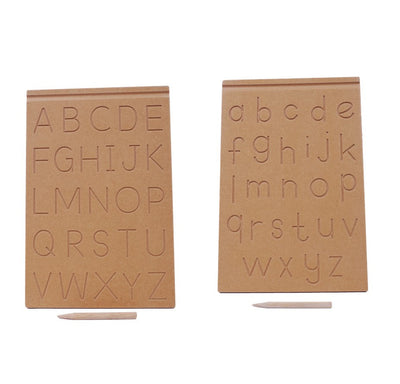
Tactile learning is key in Montessori. Using materials like sandpaper letters, where children trace the form of the letter, helps embed its shape in their muscular memory. Even if specific Hindi sandpaper letters aren't immediately available, creating DIY versions with textured paper or sand trays offers a similar experience. This physical interaction makes learning concrete and engaging, especially for children aged 3-5 years.
Incorporate storytelling around the letters and their associated pictures. For example, tell a short story about 'इ' for 'इमली' (tamarind), engaging the child's imagination. This immersive approach transforms rote memorization into an exciting discovery, making the process of learning the Hindi alphabet for kids much more effective and enjoyable.
Engaging Activities for Preschool Hindi Learning at Home
Creating a stimulating home environment is vital for successful preschool Hindi learning. Incorporate simple, everyday activities that make learning Hindi varnamala feel like play, not a chore. Use colourful Hindi flashcards with pictures to play matching games, asking your child to identify the letter and the object it represents. Sing traditional Hindi rhymes and songs that feature varnamala letters, as rhythm and music are powerful memory aids.
Transform snack time or meal prep into a learning opportunity. Point out objects in the kitchen that start with specific Hindi letters – "देखो, यह 'स' से सब्ज़ियां हैं!" (Look, these are 'Sa' se sabziyan!). This real-world application reinforces letter recognition naturally. Remember, short, frequent sessions are more effective than long, infrequent ones, catering to a child's limited attention span and keeping the learning experience positive.
Engage grandparents or older siblings in these activities, turning learning into a cherished family tradition. The joy of learning together reinforces positive associations with Hindi and strengthens intergenerational bonds, a common and beautiful aspect of Indian family life.
Building Confidence: Tips for Parents Introducing Hindi Letters with Pictures
Many Indian parents feel the pressure of school readiness, especially with changes like Goa raising the Class 1 age to six, signalling a greater focus on quality early years education. Remember, the goal is to build a positive relationship with learning, not to push for perfection. Celebrate every small milestone, whether it's recognizing a single letter or making the correct sound. Praise effort, not just outcome, to nurture a growth mindset.
Be patient and adaptable. If your child shows disinterest in a particular activity, switch to another. Child development research highlights that play is a child's work, and true learning happens when children are curious and engaged. Don't compare your child's progress to others; every child develops at their own pace. Focus on creating a supportive and encouraging atmosphere where mistakes are seen as opportunities for growth.
Regularly read Hindi storybooks together, pointing out the Hindi letters with pictures as you go. This immerses children in the language and shows them the practical application of the varnamala. By fostering a love for stories, you indirectly encourage a love for reading and the Hindi language itself, making their journey towards mastering Hindi varnamala a joyful and confident one.
- Early Hindi varnamala exposure enhances cognitive development and cultural identity in Indian children.
- The Montessori method emphasizes multi-sensory and tactile learning for effective Hindi alphabet acquisition.
- Integrating Hindi letters with pictures into daily play makes learning engaging and natural for preschoolers.
- Foundational literacy in Hindi aligns with the NEP 2020's focus on early childhood education in India.
- Consistent, play-based activities, supported by family, significantly boost a child's confidence in learning Hindi.
- Using resources like Montessori learning materials can make teaching Hindi varnamala more interactive and effective.
When is the best age to start teaching Hindi varnamala to my child?
Children typically show readiness for letter recognition between 3 and 5 years old. Introducing Hindi varnamala through playful exposure around age 3 can be highly effective, focusing on sounds and simple visuals before formal letter names.
What is the difference between swar and vyanjan in Hindi varnamala?
Swar are vowels (like 'अ', 'आ', 'इ') which can be pronounced independently, while vyanjan are consonants (like 'क', 'ख', 'ग') that require the help of a swar to be fully pronounced. Understanding this distinction is foundational for correct Hindi pronunciation and reading.
How can I make learning Hindi varnamala fun and not just rote memorization?
Incorporate multi-sensory activities like tracing letters in sand, singing Hindi alphabet songs, using flashcards with engaging pictures, and storytelling. Making learning a game or a part of daily routines prevents it from feeling like a chore and fosters genuine interest.
Are there specific Montessori materials to help teach Hindi letters with pictures?
While specific Hindi Montessori materials might be less common than English ones, the principles apply. Tactile Sandpaper Letters, movable alphabet sets, and picture cards that pair letters with familiar Hindi words are excellent resources for hands-on learning.
My child resists learning Hindi. What should I do?
If your child resists, it's crucial not to force them. Instead, make the learning environment more inviting by integrating Hindi into their favourite activities, like singing songs, watching short educational Hindi cartoons, or playing simple word games. Patience and positive reinforcement are key.