School Entry Age India: LKG & UKG Readiness
India's school entry age India is undergoing a significant shift, with recent policy updates, such as Goa raising Class 1 entry to age six, signaling a nationwide trend aligned with the National Education Policy (NEP) 2020. This means parents now have a crucial opportunity to focus on comprehensive LKG and UKG readiness, ensuring their children build strong foundational skills for a potentially later formal school start. This definitive change impacts planning for early years and emphasizes the value of structured home learning environments.
The "school entry age India" refers to the minimum age a child must attain to be eligible for formal schooling, specifically Class 1, which is now aligning with the NEP 2020 recommendation of six years. This matters because it provides a longer, crucial period for holistic early childhood development before structured academics begin. Indian parents can proactively utilize this extended window to strengthen foundational skills at home, preparing their child for a confident start.
The Shifting Landscape of School Entry Age in India
The **school entry age India** is definitively moving towards a unified system where children enter Class 1 at six years of age. This national recommendation from NEP 2020 is being progressively implemented by states, impacting everything from local preschool readiness age India benchmarks to parental planning. Research shows that this shift aims to provide children with a more robust foundation in their formative years, allowing for better cognitive and socio-emotional development.
This policy adjustment is critical for parents, particularly those in rural India, where access to structured early childhood education has historically been inconsistent. As highlighted by discussions in "Ideas for India," ensuring quality early learning experiences for all children, regardless of location, becomes paramount. A delayed formal entry means the emphasis on home-based or community-based early learning grows significantly.
Understanding LKG Age Criteria India and UKG Age Limit
With the Class 1 entry age shifting, parents must re-evaluate the **LKG age criteria India** and **UKG age limit**. Previously, many schools accepted children into LKG at 3+ and UKG at 4+, with Class 1 starting at 5+. However, aligning with NEP 2020, schools will increasingly adjust these age brackets, pushing them upwards. This means a child might enter LKG closer to 4 years of age and UKG at 5 years, providing an extra year for preschool readiness.
This extended timeline is not a delay but an opportunity to build stronger early learning foundations extended preschool. Child development experts agree that adequate time in early childhood education, focused on holistic growth rather than premature academic pressure, significantly benefits a child's long-term learning journey. Parents now have a definitive framework for planning their child’s initial schooling years with greater clarity and less anxiety.
Preparing Your Child for Class 1 Age 6: Leveraging Extended Early Learning Foundations
The extended period for early learning presents a wonderful chance for **preparing child for Class 1 age 6** with greater depth. Rather than rushing into formal academics, this time is best utilized for developing crucial foundational skills: cognitive abilities, fine and gross motor coordination, language proficiency, and socio-emotional intelligence. SkilloToys champions this approach, aligning perfectly with the Montessori philosophy.
In many Indian homes, particularly with joint families, grandparents play a pivotal role in early learning, often narrating stories, teaching traditional games, and fostering cultural values. This rich home environment, coupled with thoughtfully chosen educational tools, can transform the learning experience. The focus shifts to self-directed discovery and practical life skills, building independence and concentration, which are invaluable for school readiness.
The Montessori Advantage in a Changing System
Maria Montessori's philosophy, emphasizing a prepared environment and self-directed learning, is exceptionally relevant for this extended early childhood phase. Instead of rote memorization, children engage with hands-on Montessori Method Learning Materials that naturally develop their senses, cognitive abilities, and fine motor skills. For instance, activities involving pouring, spooning, and buttoning, found in Practical Life materials, build concentration and independence essential for school.
As EdexLive highlighted, the EuroKids CEO stresses the importance of strong early learning foundations. Montessori materials, like the Pink Tower for sensorial discrimination or Sandpaper Letters for pre-reading skills, offer concrete experiences that solidify these foundations. This approach ensures children are not just academically ready but also emotionally and socially equipped for the challenges of Class 1.
Addressing the "Screen Time" Challenge in Extended Home Learning
With more time at home before formal schooling, the challenge of screen time becomes even more pronounced. A concerning report from The Times of India noted that "one-third of children in US cannot turn pages, are instead trying to swipe books." This underscores the critical need for tactile, manipulative play that builds physical dexterity and cognitive pathways that digital interfaces cannot replicate. Hands-on engagement with physical objects is paramount for development.
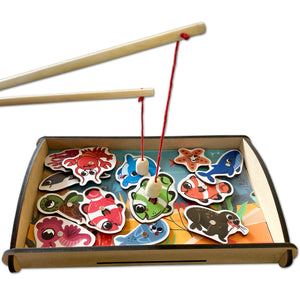
Montessori materials naturally counteract excessive screen exposure by requiring active physical and mental engagement. Whether it's sorting objects, building with blocks, or working with puzzles, these activities hone fine motor skills, hand-eye coordination, and problem-solving abilities. Investing in quality educational toys, like those for Cognitive Development, ensures your child's brain is stimulated in the most beneficial ways.
- The NEP 2020 definitively recommends a minimum age of six years for Class 1 admission across India.
- This policy shift means LKG and UKG entry ages will likely adjust upwards, providing a longer period for foundational learning.
- Extended early learning at home through play and exploration is crucial for holistic child development.
- Montessori methods offer a structured, child-centric approach to build independence, concentration, and practical skills.
- Hands-on engagement with educational toys is vital for developing fine motor skills and combating the negative effects of excessive screen time.
- Parents now have a clear framework to prepare their children comprehensively for a confident and successful entry into formal schooling at age six.
The changing **school entry age India** is not a cause for concern but an empowering opportunity for Indian parents. By understanding the new guidelines and embracing holistic, play-based learning—especially with Montessori-inspired methods—you can ensure your child builds strong, lasting foundations. This thoughtful preparation will equip them with confidence, curiosity, and the essential skills for a thriving educational journey in Class 1 and beyond.
What is the recommended school entry age for Class 1 in India now?
The National Education Policy (NEP) 2020 strongly recommends that the minimum age for admission to Class 1 across India be six years. Many states are progressively implementing this guideline, shifting from the earlier common practice of 5+ years.
How do changing school entry ages affect LKG and UKG admissions?
A higher minimum age for Class 1 means the LKG age criteria India and UKG age limit will also likely shift upwards, providing children with a slightly longer period for preschool and foundational learning. This offers an extended opportunity for holistic development before formal schooling begins.
What are the key early learning foundations for extended preschool?
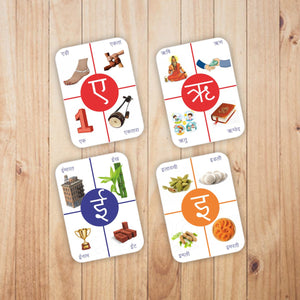
Key early learning foundations for an extended preschool period include developing fine and gross motor skills, fostering language and communication abilities, building concentration and independence, and nurturing early numeracy and literacy through hands-on experiences rather than rote learning.
How can Montessori methods help prepare my child for Class 1 at age 6?
Montessori methods are highly effective for preparing children for Class 1 at age 6 by focusing on self-directed learning, practical life skills, and sensorial development. These activities build concentration, problem-solving, and independence, which are crucial for academic success in a structured environment.
Is it important for children to have hands-on learning instead of screen time?
Yes, child development experts agree that hands-on, tactile learning is critical for brain development, fine motor skills, and sensory integration, especially in early childhood. Excessive screen time can hinder these crucial developmental areas, as highlighted by concerns about children struggling with physical tasks like turning book pages.